SAT Preparation
The test might be standardized, but tutoring doesn't have to be. We customize our programs because no student is average.
Interested in learning more? Get in touch

How it works
We believe that a tailored program is a basic prerequisite for any effective tutoring relationship.
Tutor spotlight
We are a cooperative of thinkers––physicists, historians, computer scientists, economists, literary critics, lawyers, linguists, biologists, poets, mathematicians, and so many more--who provide exceptional one-on-one tutoring and academic support to our students.
Meet everyone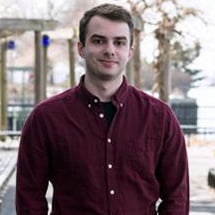
Terry
Terry holds a BA in English and French (Amherst), and an MPhil in European Literature & Culture (University of Cambridge). He holds a PhD in French Language and Literature from NYU and currently teaches at Vassar.
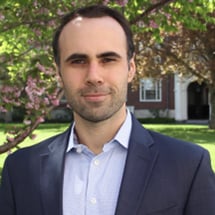
Jimmy
Jimmy is a PhD candidate in Sociology & Social Policy at Harvard. He holds a JD (Harvard) and BA in English and Social Studies (Harvard). Currently, he is a Lecturer on Law at UCLA Law and a pro bono attorney.
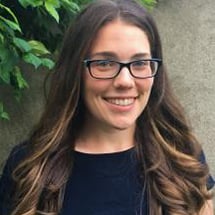
Colleen
Colleen earned a PhD and MA from Harvard University in History, an MA in Modern European History from St Andrews, and a BA in History and Art History from University of Notre Dame. Currently, she is a researcher at Johns Hopkins.
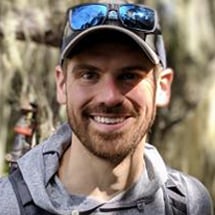
Graham V.
Graham holds an MD (Vanderbilt University Medical School) and MBA (Harvard Business School). He earned his BS from MIT in Materials Science & Engineering. Currently, he is an Emergency Medicine Resident at Vanderbilt Medical Center.
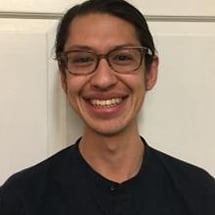
Ezra
After Ezra graduated from Harvard with a BA in Social Studies, he received the Trustman Traveling Fellowship and went to Peru to study the Chinese diaspora. He is now the Artist-in-Residence at the Signet Society at Harvard.
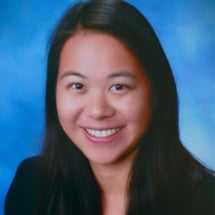
Joyce
Joyce is currently an MD candidate at Harvard Medical School. She also graduated summa cum laude and Phi Beta Kappa with a BA in Anthropology from Harvard, where her thesis won the Thomas T. Hoopes Prize.
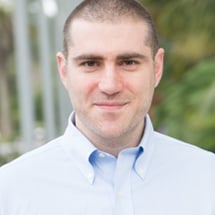
Bassel
Bassel received an MS in Civil Engineering from MIT and a BS in Engineering from Harvard. He has taught college courses on topics ranging from probability and statistics to modern history.
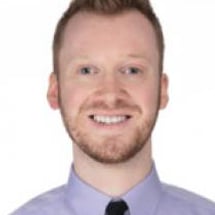
Jonathan W.
Jonathan is an MPA student at Columbia University School of International and Public Affairs. He earned his Bachelor's from Tufts University, where he double-majored in Politcal Science and Economics.
Grace
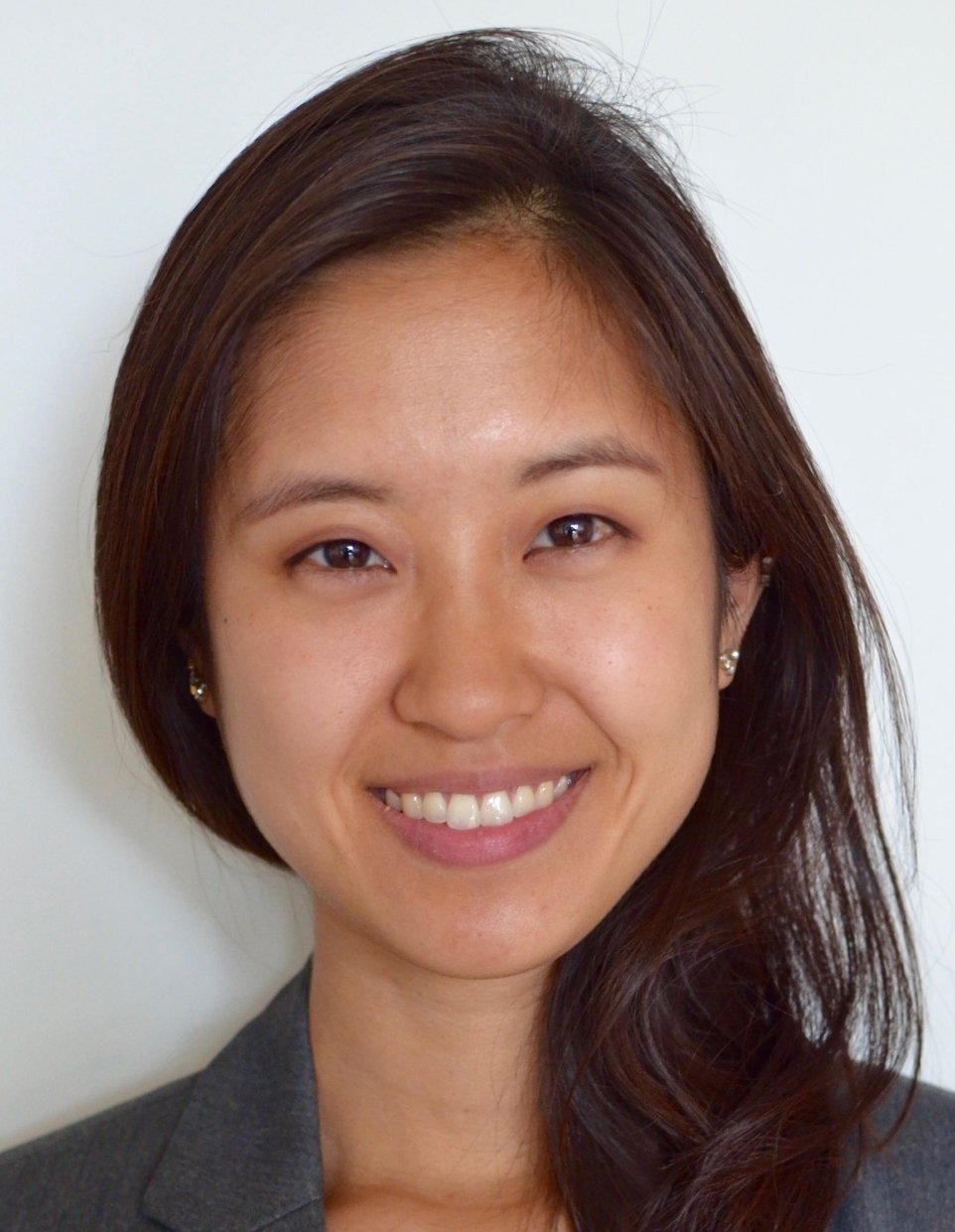
Grace is a dental student at the Harvard School of Dental Medicine. She graduated from Duke University with honors and a double major in Biology and Global Health.
Julia P.
Julia holds a BA from Princeton University in English Literature, with certificates in Theater and Music Theater. Her thesis won the Alan Downer prize for research in English and drama. Currently, she works in theatrical costuming.
Aditya K.
Aditya is a PhD student in Computer Science at the University of Illinois. He received his BS in Computer Science and Applied Computational Mathematics from CalTech and MS in Computational Science and Engineering from Harvard.
Mike Mc.
Mike attended Darmouth College, where he won numerous awards for his creative and critical writing. He earned his BA in English, and went on to become a secondary school teacher.
Di
Di is an MBA student at the UC Berkeley Haas School of Business and has deferred admission to Harvard Law School. He received his BS in Mathematics, and BAs in Economics and Statistics at the University of Chicago.
Harish
Harish is a JD candidate at Harvard Law School. Previously, he worked for Bain & Company as a consultant. He earned his Bachelor's degree in Economics from the University of Southern California, where he graduated Phi Beta Kappa.
Rana
Rana earned her BS in Biology and Molecular Biology at Brown, and then spent two years working in ovarian cancer research at Mass General Hospital. Currently, she is an MD student at Harvard Medical School.
Daniel Pa.
Dan is a PhD student in Mathematics at Ohio State University. He attended Bard College and graduated summa cum laude with a BA in Mathematics and a minor in Physics.
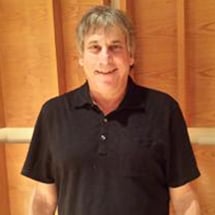
Gil
Gil graduated from Wesleyan University with a BS in Chemistry. He attended Columbia University for his MS in Electrical Engineering, where he received the prestigious Jacob Millman Prize for Excellence in Teaching.
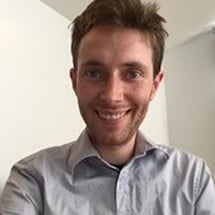
Troy
Troy graduated from Yale with a BA in Ethics, Politics, and Economics. After serving in Teach for America, he attended Harvard Law. Currently, Troy works for an education technology startup focused on preparing students for college.
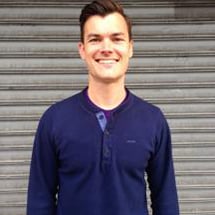
Matty
Matty earned a JD from Harvard Law. He graduated magna cum laude from Amherst with a BA in Geology. He has experience as a tax attorney working in corporate law in New York.
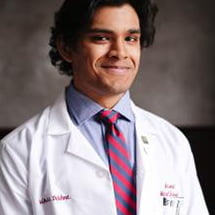
Mihir
Mihir is an MD student at Harvard Medical School. He graduated summa cum laude and Phi Betta Kappa with a Bachelor's in Biochemistry and Master's in Chemistry from UPenn.
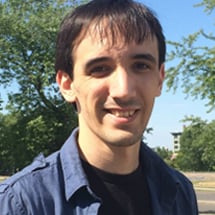
Alexander V.
Alex earned his Master's in Musicology from Oxford University and his Bachelor's, with a double major in in Mathematics and Music, from Harvard University. He has been tutoring students for over eight years.
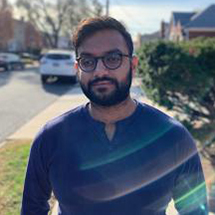
Ash
Ash earned a BA in Social Studies (Harvard), an MPhil in Intellectual History and Political Thought (University of Cambridge), and a JD (Yale). He is currently a PhD candidate in Political Science at Columbia University.
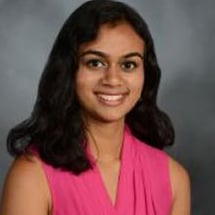
Priyanka N.
Priyanka studied Molecular and Cellular Biology, Global Health, and Spanish at Harvard College (summa cum laude). She is now a medical student at Weill Cornell Medical College in New York.
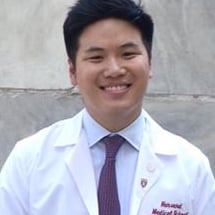
Michael C.
Michael is currently pursuing his dermatology residency training at the Harvard Combined Dermatology Residency Training Program in Boston, MA.
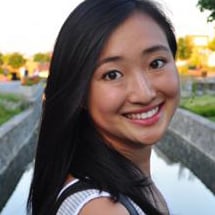
Joy
Joy is an MD/PhD candidate at the Icahn School of Medicine at Mount Sinai. She earned a BS (Biochemistry, Molecular Biology) and BA (Anthropology) from Brown, and completed a postbacc fellowship at the National Cancer Institute.
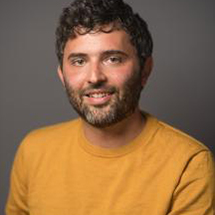
Sam M.
Sam graduated with honors from Middlebury with a BA in English and a minor in Spanish. He went on to work in the film and tech industries for over a decade. Sam now specializes in private academic tutoring and exam prep.
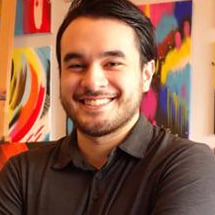
Roel
Roel earned his BS in Applied and Computational Mathematics at CalTech, and he is currently an MA candidate in Jazz Composition at Berklee. He has over 1500 hours of tutoring experience.
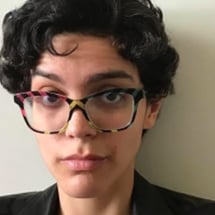
Natalia Ic.
Natalia received her BA in History from the City College of New York. She went on to earn a Master's of Science in General and Special Childhood Education at the Bank Street College of Education.
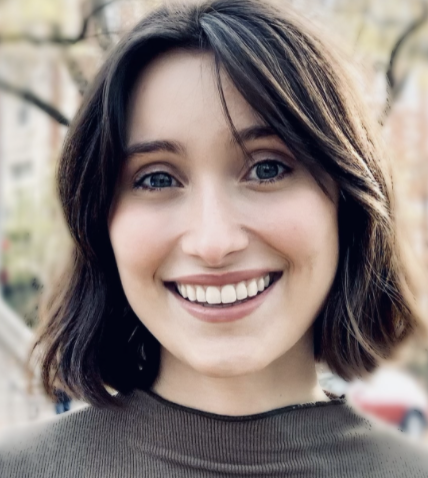
Tess D.
Tess earned her BA in Psychology at Harvard College. After a few years working in entertainment, she's now pursuing a Master's in Developmental Psychology from Columbia University's Teachers College.
Shivangi
Shivangi is an MD candidate at Harvard Medical School, conducting research in Cardiothoracic Surgery. She graduated from MIT with a BS in Biology (GPA 4.9/5.0, Phi Beta Kappa).
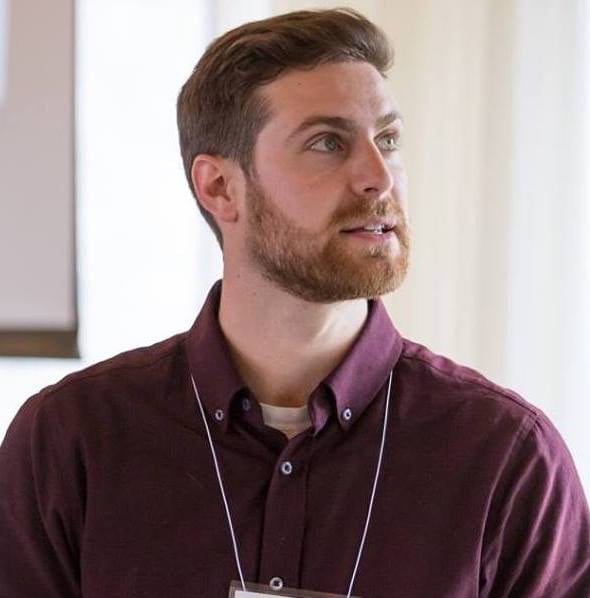
Sam D
Sam holds a BS in Physics (Cornell) and a PhD in Physics (Harvard). He's now a postdoctoral researcher at the University of Pennsylvania, studying physical systems and machine learning applications.
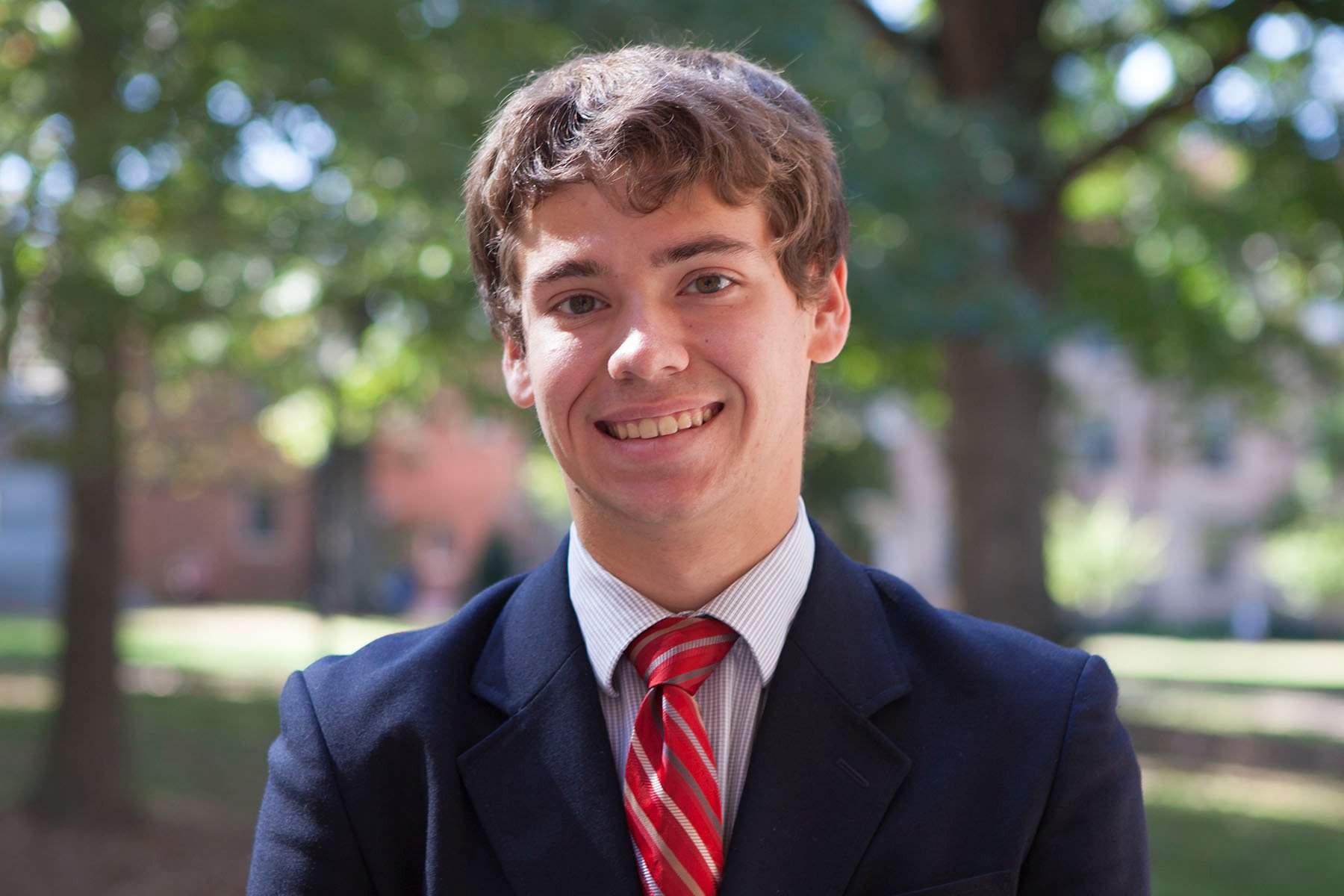
Justin C.
Justin graduated from Yale Law School in May 2023 and is now working for the federal judiciary. He previously graduated from the University of North Carolina at Chapel Hill in 2018, where he double majored in Peace, War, and Defense and Economics, graduating with highest distinction and highest honors for his thesis on the effects of superhero movies on individual political views.
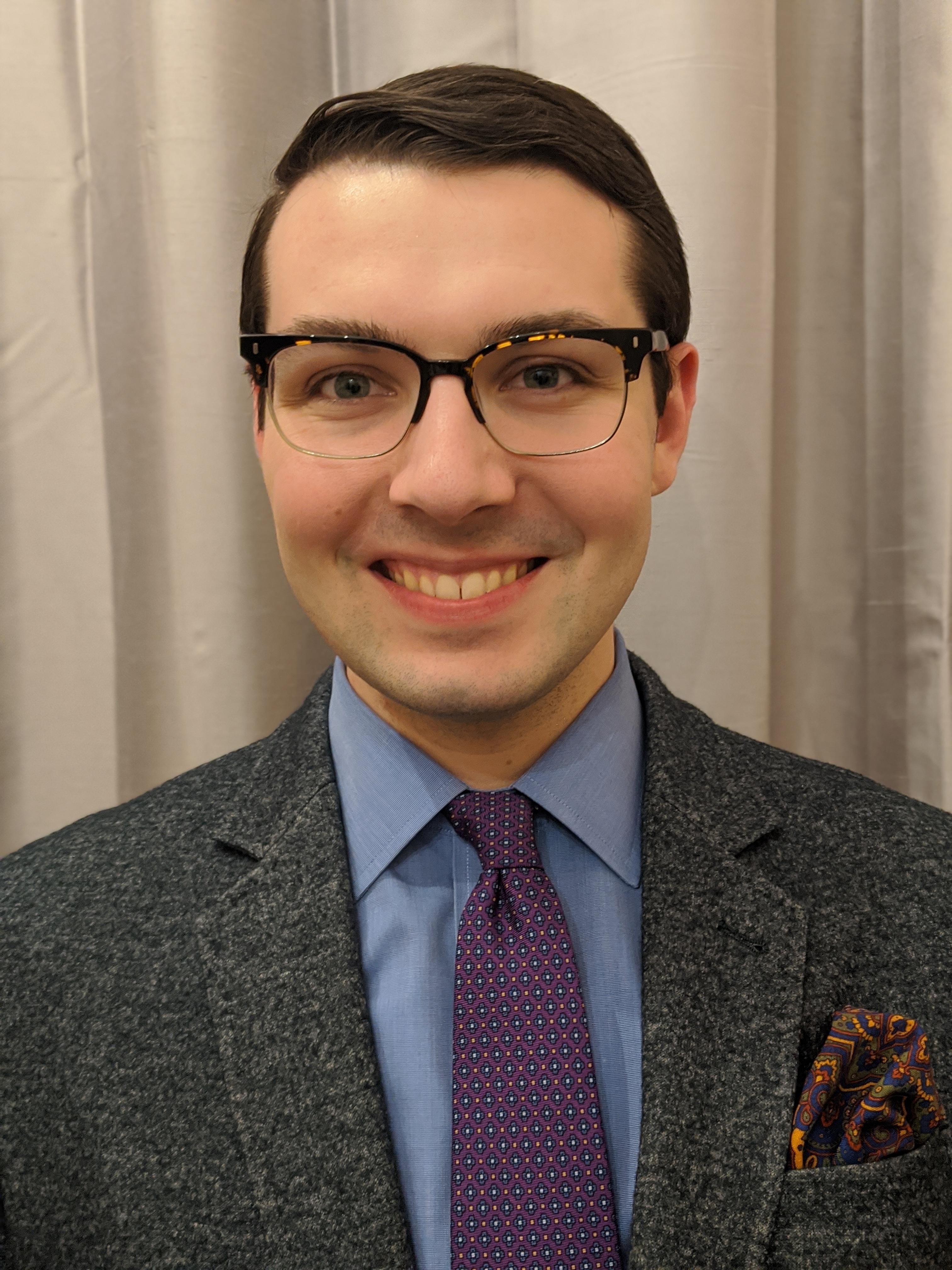
Eric M
Eric graduated from Oberlin College and Conservatory with a BA in Hispanic Studies and BM in Composition. He then received an MA in Teaching at Boston University, where he was awarded the Future Language Educator Scholarship.
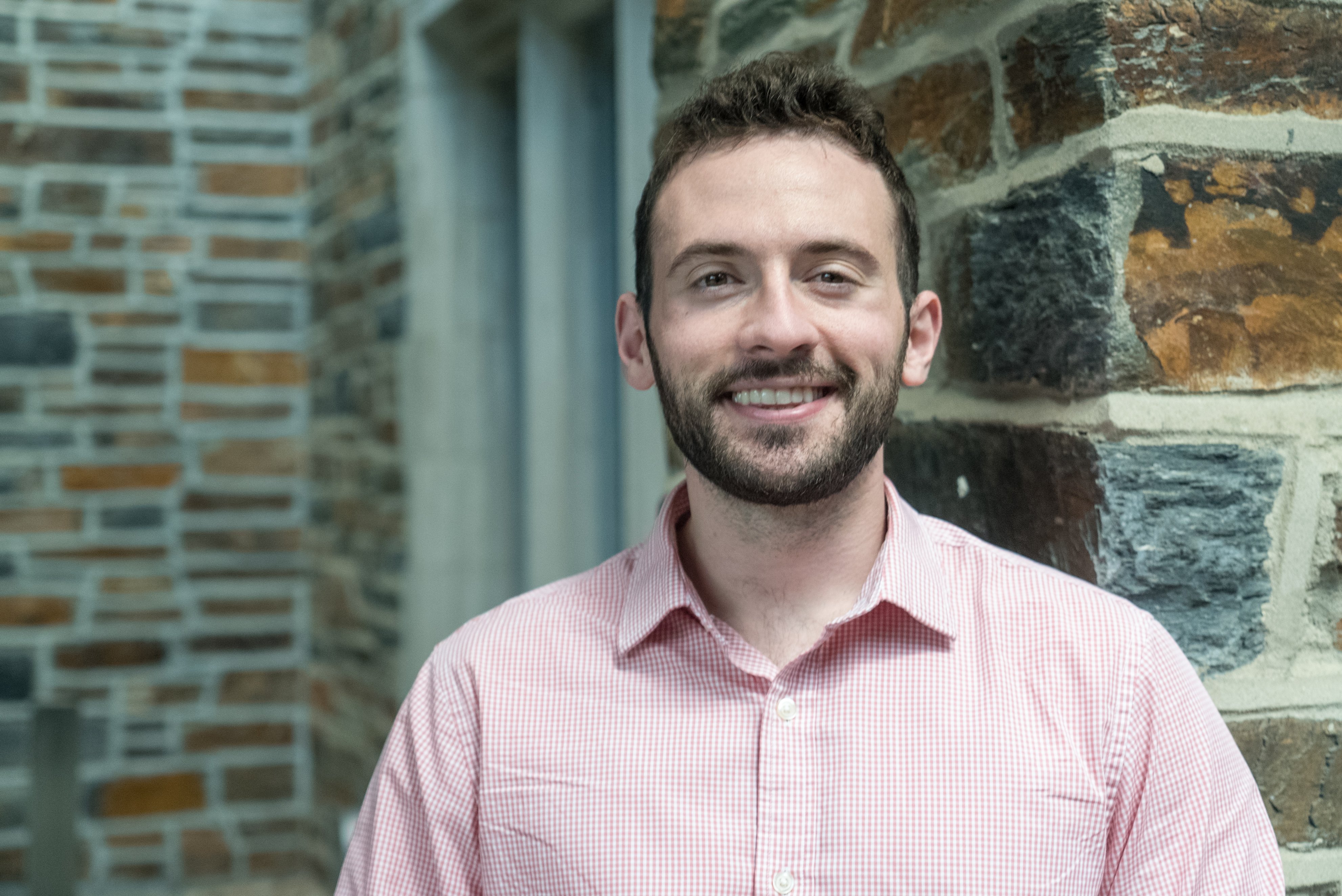
Gus
Gus is currently in his fifth year of pursuing his PhD in Clinical Psychology at Columbia University. He is currently conducting psychological research using experimental and survey methods and serves as the doctoral student leader of the Internet, Disclosure & Psychotherapy Lab.
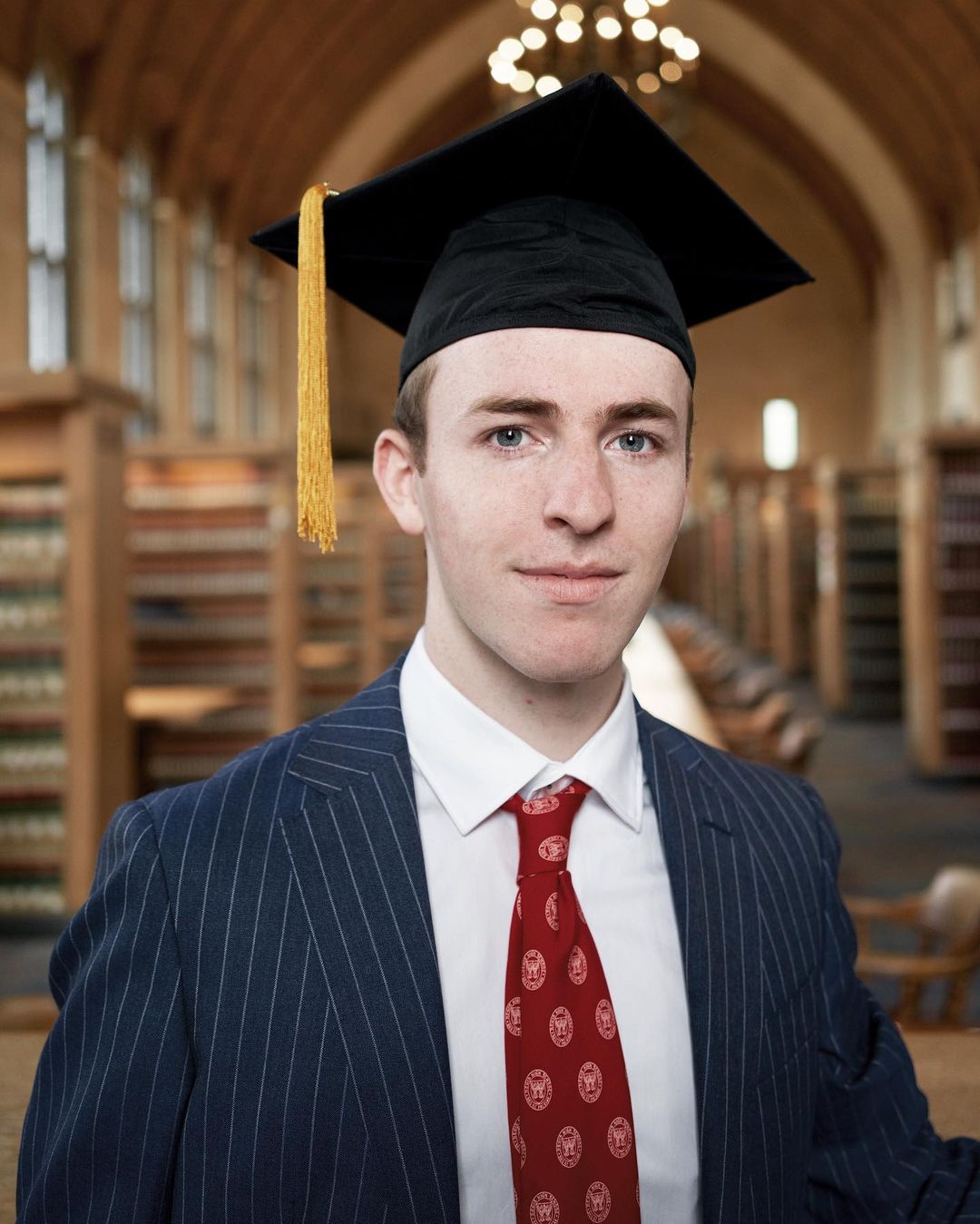
Liam B.
Liam holds a BS from Cornell University's School of Industrial and Labor Relations. After graduating, he accepted a leadership development role within the healthcare sector of CVS.
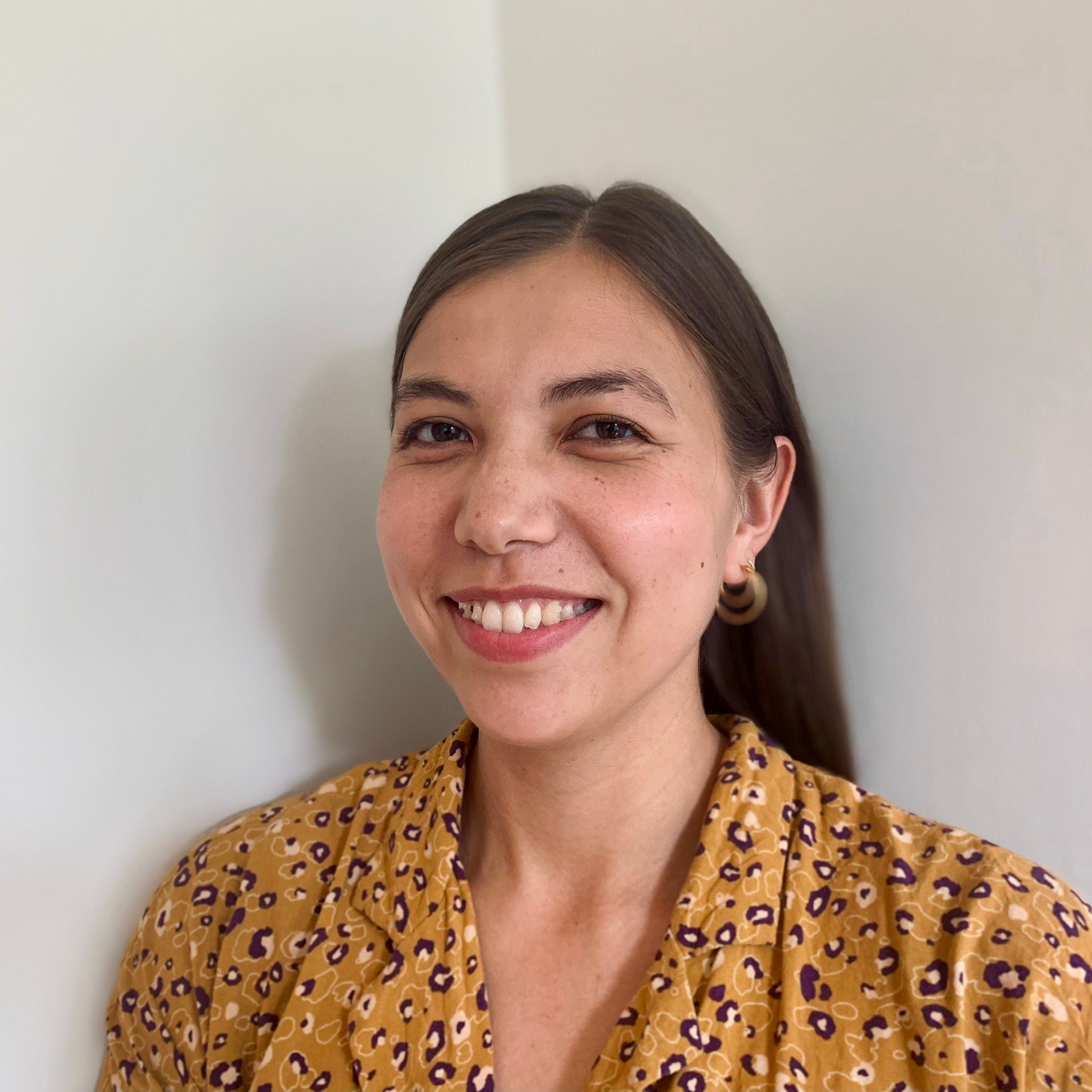
Sophia Ro.
Sophia holds a BA in English (Williams College) and an MS in Education from Johns Hopkins. After serving as a Princeton in Asia Fellow, she taught English in Baltimore Public Schools for four years.
Justin T.
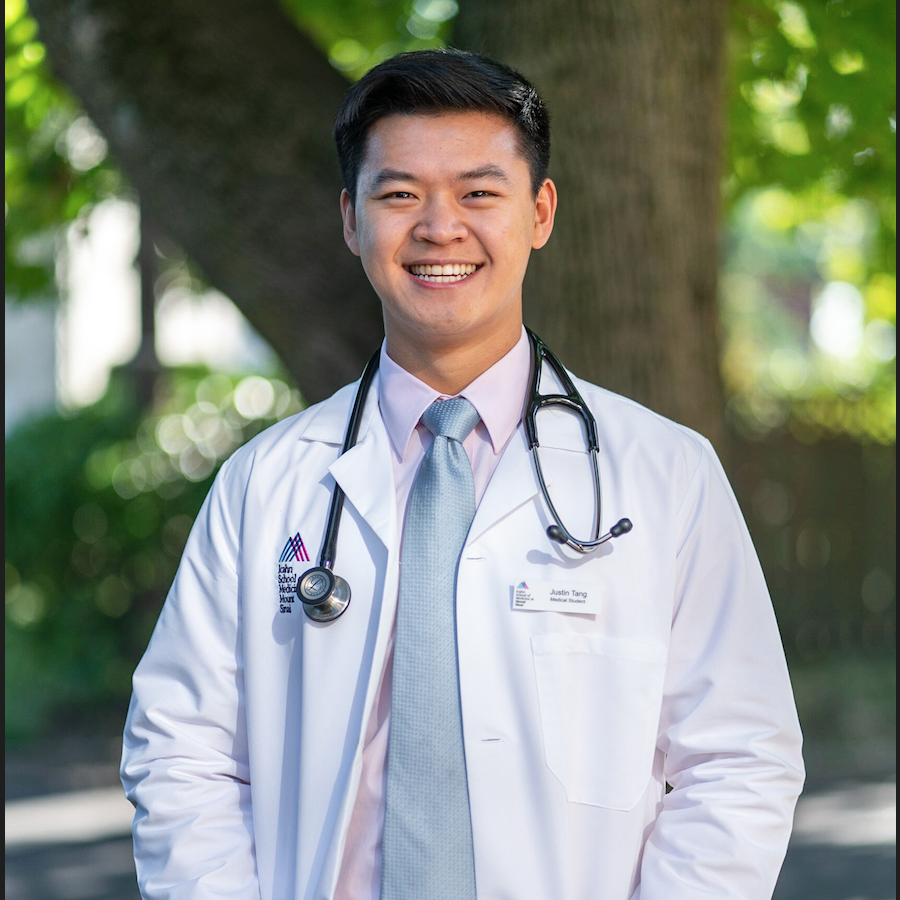
Justin earned his BS in Bioengineering with a concentration in Engineering Design at Rice University. He participated in the FlexMed program at the Icahn School of Medicine at Mount Sinai before pursuing his MD at Mount Sinai.
Cassandra G.
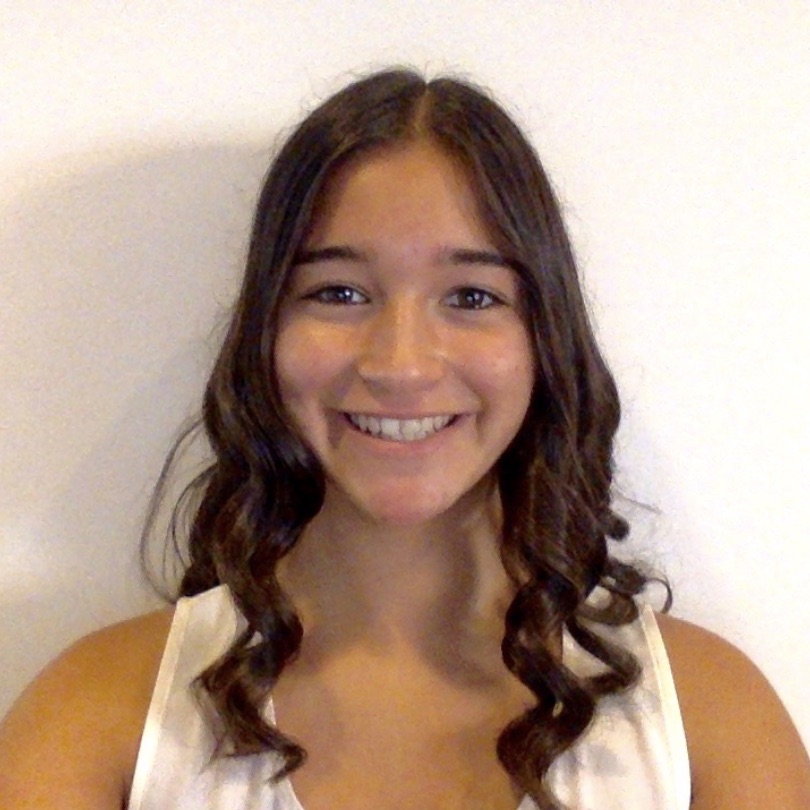
Cassandra attended UVA on a four-year, full cost of attendance scholarship with a double major in Human Biology and Spanish. After graduating in May 2020, she went straight into the NYU Grossman School of Medicine, with dreams of becoming an adult or pediatric oncologist.
Hollis P.
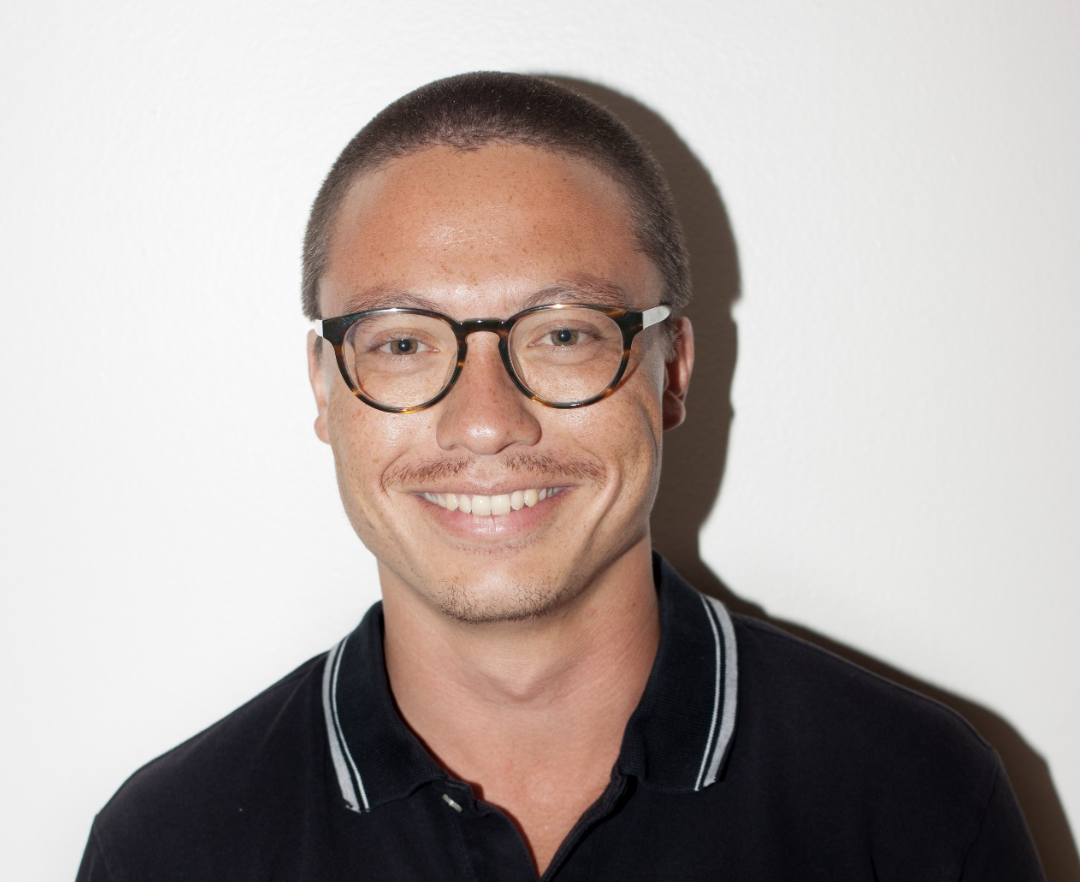
Hollis holds a BA in Rhetoric and a BS in Environmental Economics and Policy from UC Berkeley. He is presently an MA Candidate in Architecture at Harvard University.
Dmitry K.
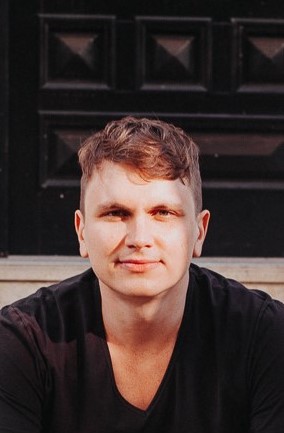
Dmitry studied French, German, and Political Science at Middlebury College, graduating magna cum laude and a Dana Scholar. Three semesters studying abroad in Paris and Berlin solidified his lifelong love of Europe. Subsequently, he completed a Master’s in Development Economics at the Sorbonne in Paris.
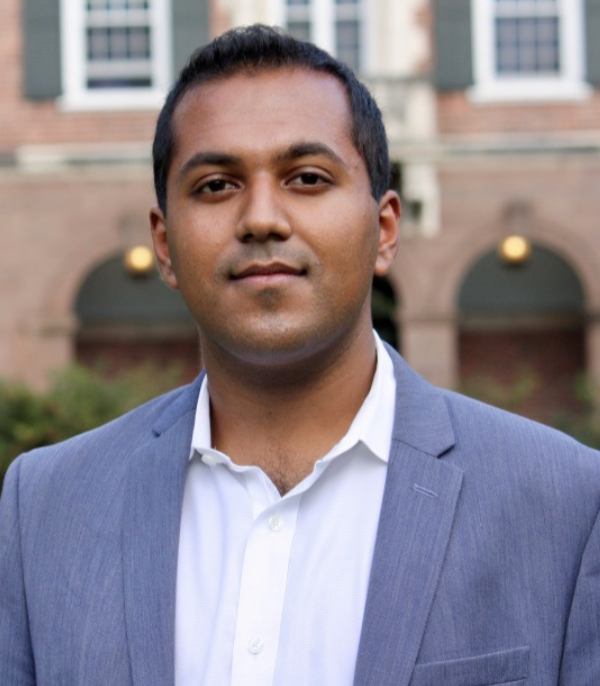
Ryan R.
Ryan graduated from Yale College with honors in Molecular, Cellular, and Developmental Biology, and completed the Multidisciplinary Academic Program in Global Health. He is currently a student at Harvard Medical School, and hopes to pursue a career in infectious diseases.
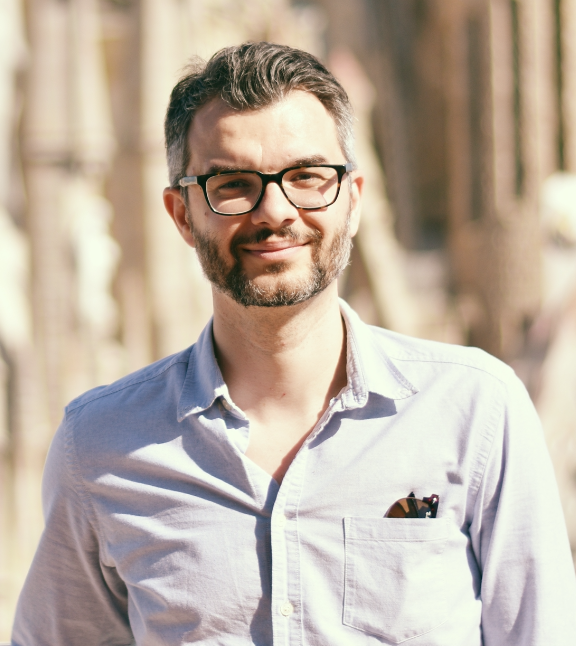
Nick S.
Nick graduated from Columbia University with degrees in English and Economics. He next earned a teaching certificate and moved to Barcelona to teach English. Since 2003, he’s been teaching all over the world, usually spending winters in Berlin and summers in Barcelona.
Noah S.
Noah graduated with a degree in Mechanical Engineering from West Point. He next studied in the Space Propulsion Laboratory at MIT, receiving a Master of Science in Aeronautics and Astronautics. His work to design and test plasma thrusters for nano-satellites forms the basis of a currently pending patent.
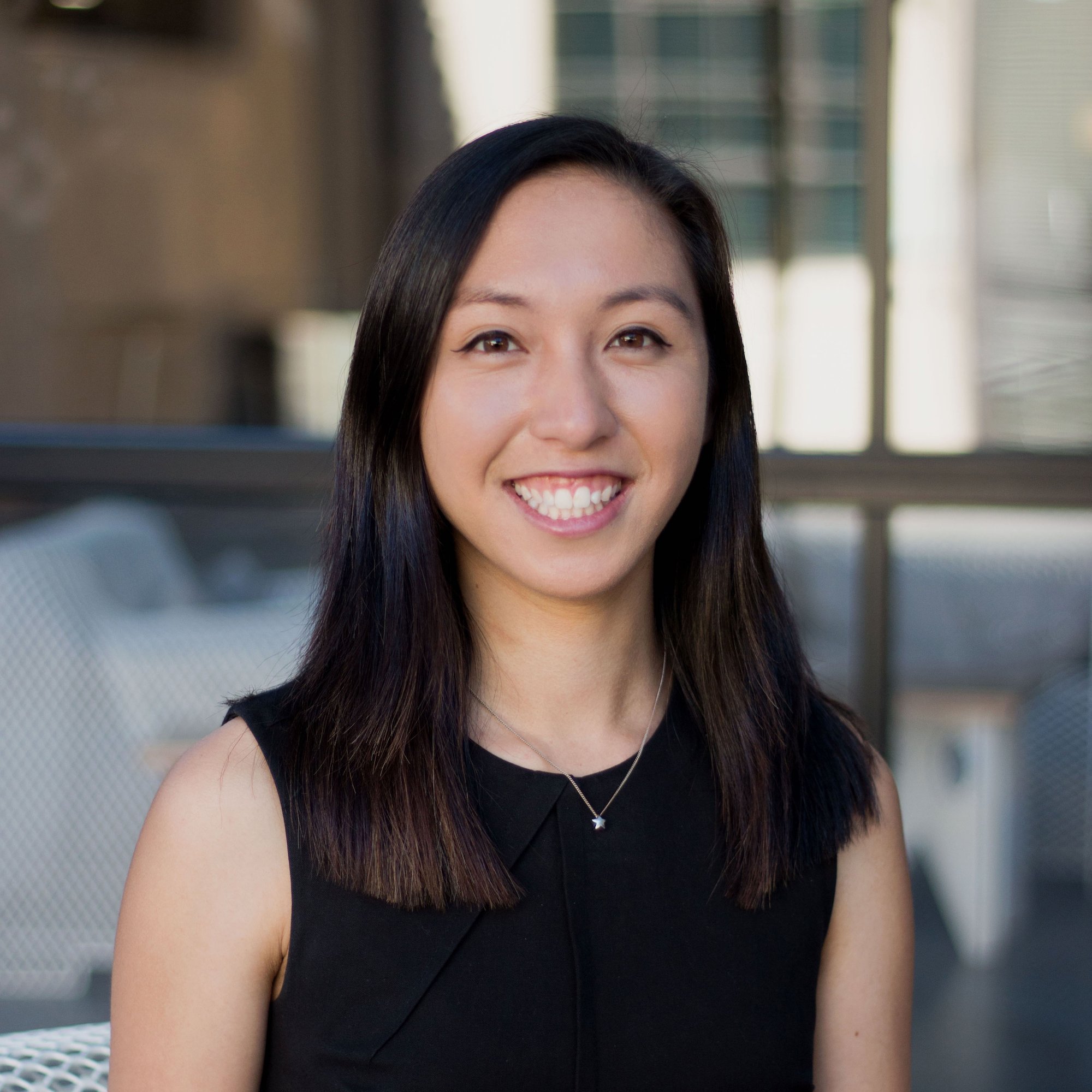
Samantha H.
Samantha attended Stanford University, where she explored the role of synaptic proteins in visual system development for her honors thesis research. She graduated with a BS in Biology conferred with honors and with distinction. She is currently pursuing a combined MD/PhD at Harvard Medical School and MIT in the Health Sciences and Technology program.
Sunny
Sunny is an MD candidate at Harvard Medical School. Previously, she spent seven years researching neurodegenerative diseases. Notably, she was a part of a group studying cell replacement therapy for Parkinson’s disease which, in 2021, entered a Phase I clinical trial for patients with advanced Parkinson's disease
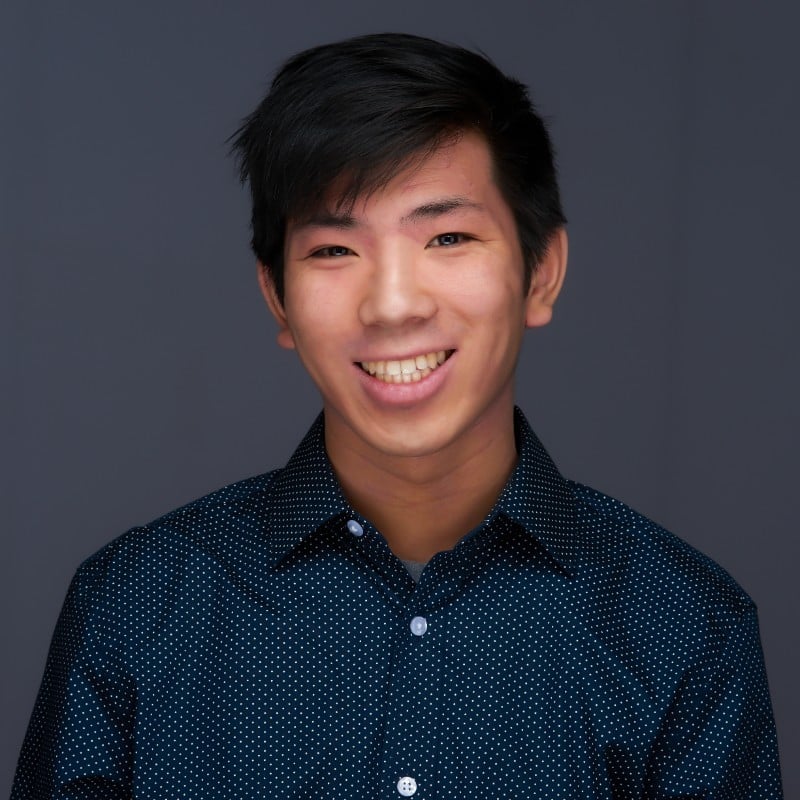
Eddy Y.
Eddy graduated summa cum laude from the University of Pennsylvania with a degree in Philosophy, Politics, and Economics and a minor in Marketing/Psychology. Eddy went on to get his teaching certification in secondary mathematics from Penn’s Graduate School of Education and currently works as a middle and high school math teacher in South Philadelphia.
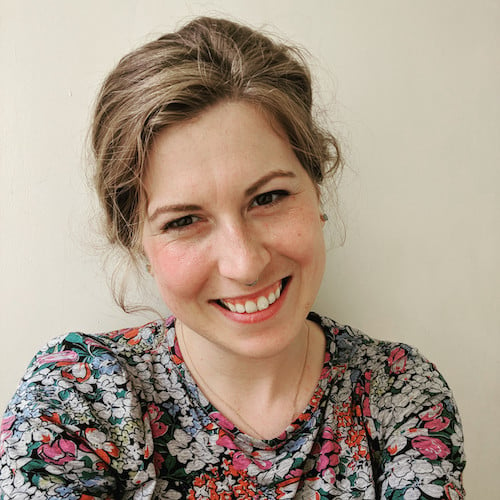
Paige B.
Paige is a research associate at Harvard Business School’s Project on Managing the Future of Work. She earned her MBA at MIT Sloan School of Management and her bachelor’s in Materials Science and Engineering at Johns Hopkins University.
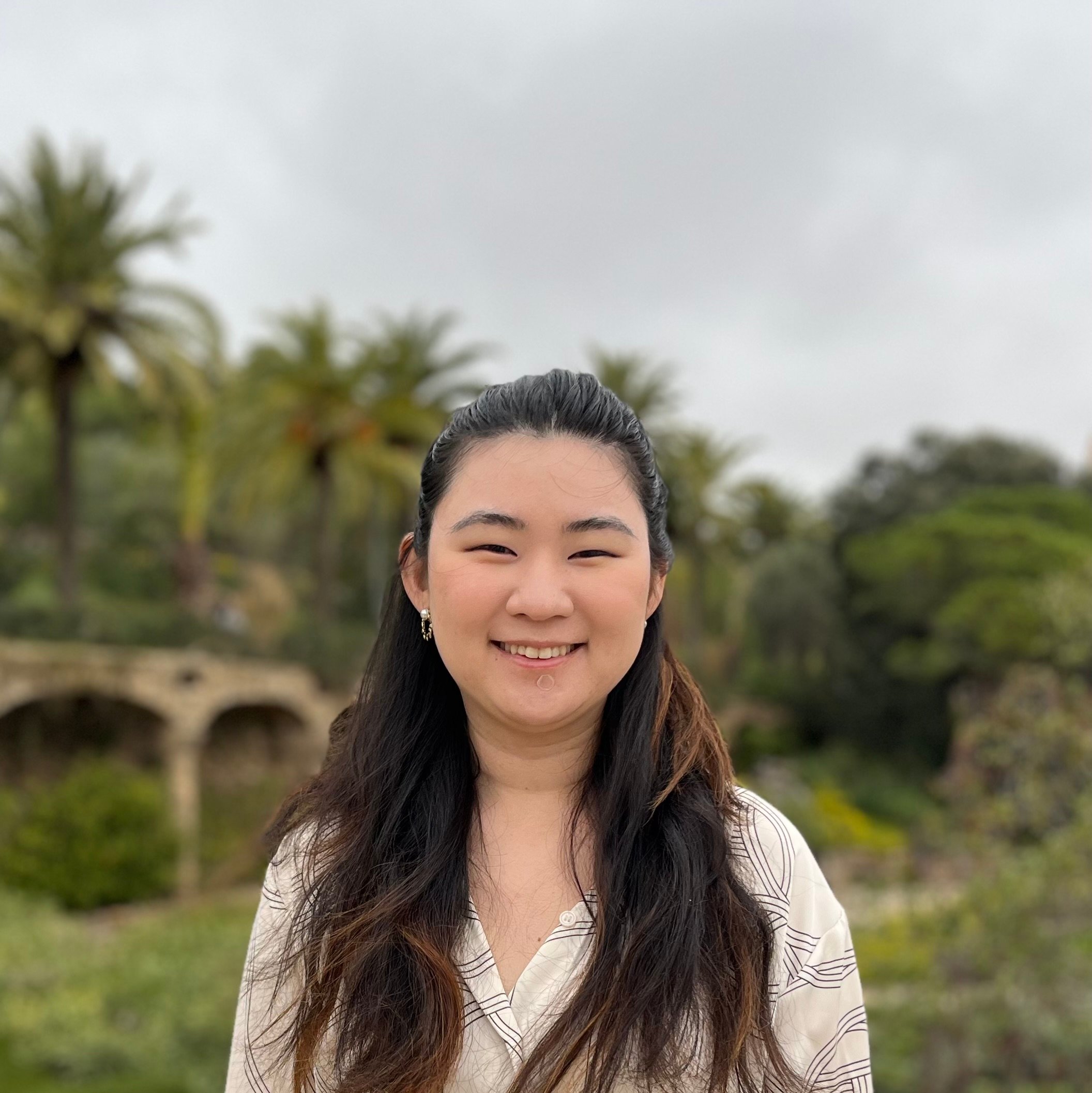
Camille
Camille attended UChicago to earn her BA in Psychology and Economics. She's currently pursuing a dual Master in Public Policy from Harvard Kennedy School and Master of Business Administration from the Wharton School of Business.
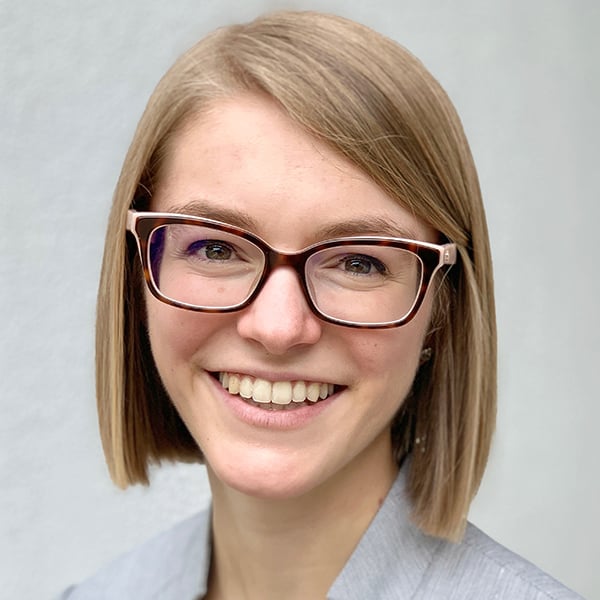
Marta
Marta is an MD Candidate at Harvard Medical School. Prior to matriculating at Harvard, Marta headed to Bonn, Germany as a Fulbright scholar. There, she conducted research related to Parkinson's disease and expanded her German language skills.
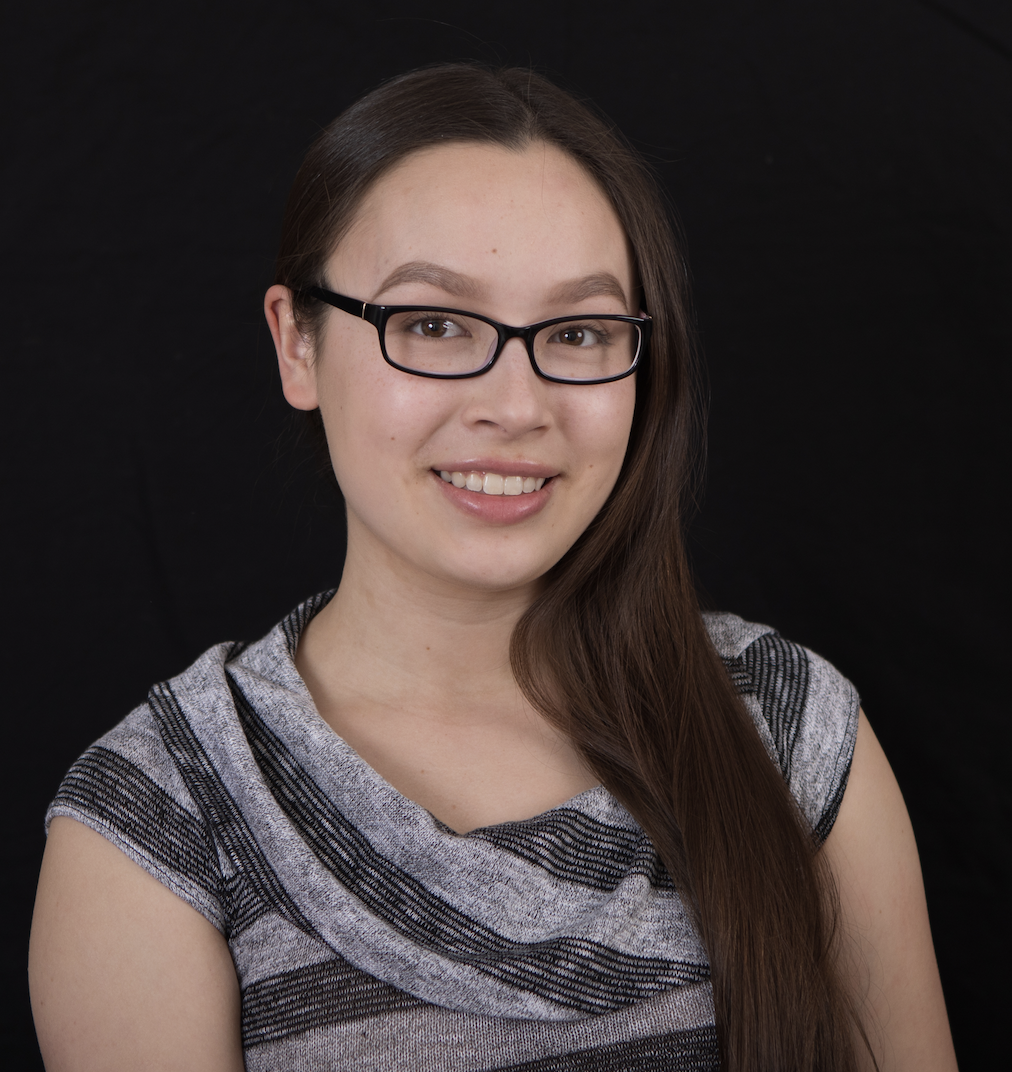
Samantha F.
Samantha graduated summa cum laude from Cornell University with a BS in Human Biology, Health & Society and a minor in Education. After obtaining her Master in Medical Education at the University of Nottingham as a Fulbright Scholar, she is now an MD Candidate at NYU.
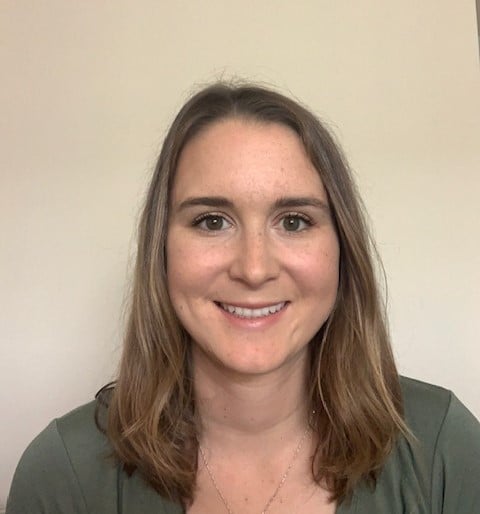
Valerie A.
Valerie completed her BS in Mechanical Engineering at MIT. She then completed her MS in Mechanical Engineering from Georgia Tech. She is now a mechanical engineer in the nuclear power industry.
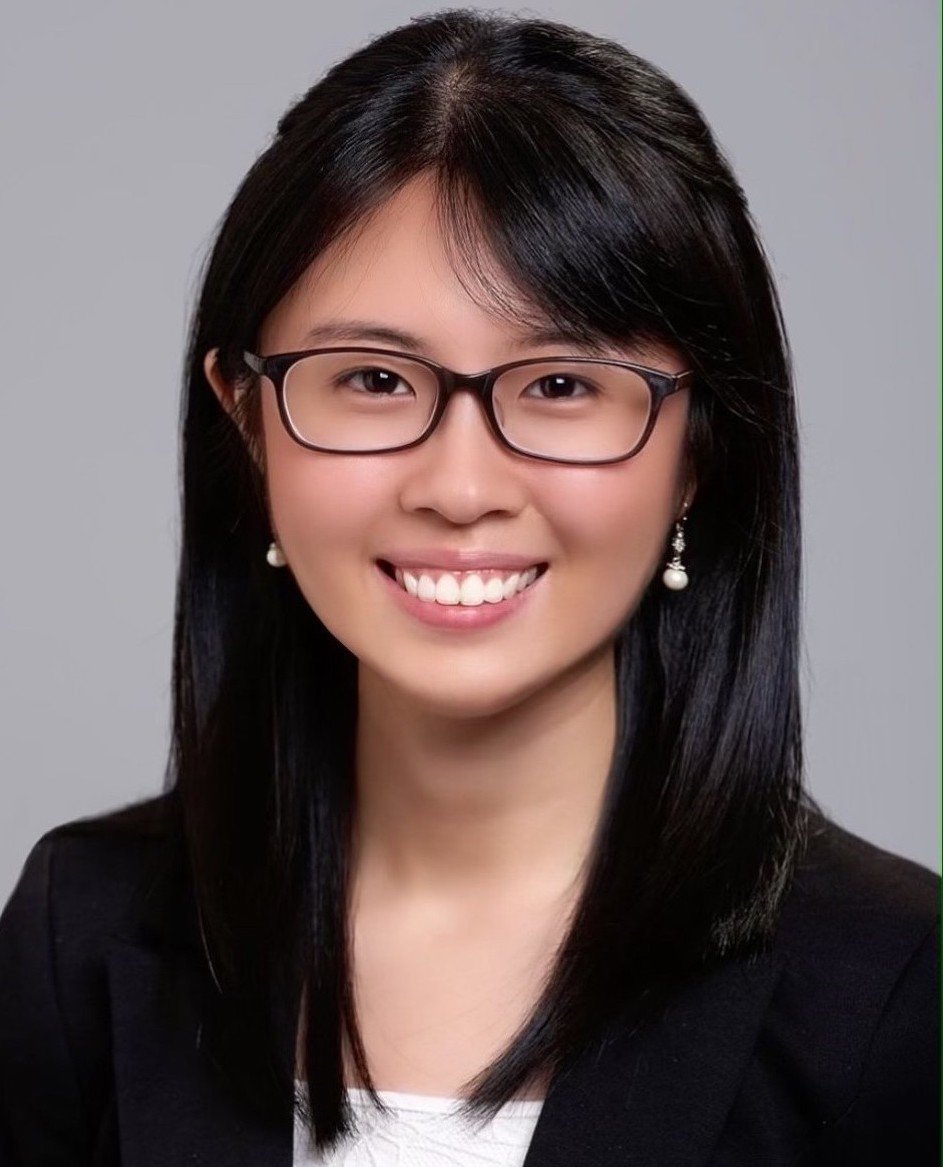
Mary S.
Mary is a resident physician in internal medicine at Brigham and Women’s Hospital, Harvard Medical School and an incoming Stanford dermatology resident. She received her MD degree from Yale School of Medicine and her BS in Ecology & Evolutionary Biology from Yale University.
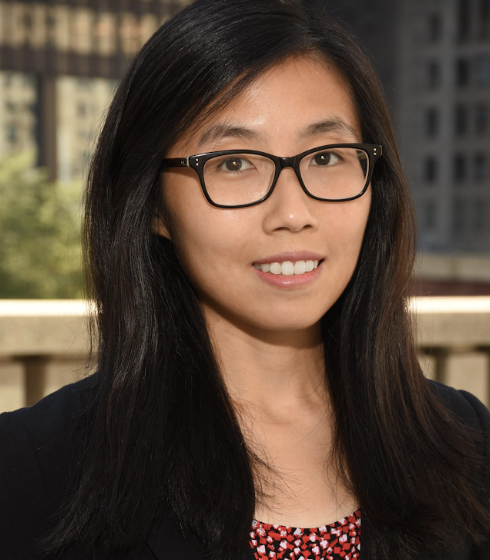
Eleanor S.
Eleanor is an MBA/Masters in Computer Science dual degree candidate at the University of Chicago/Booth School of Business. Previously, she received her Bachelor’s degrees in Economics and Molecular Biophysics and Biochemistry from Yale University.
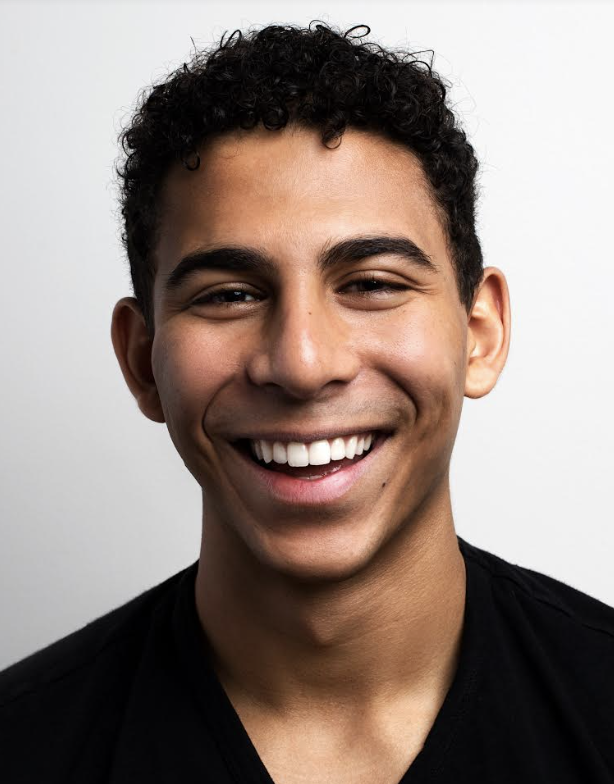
Matthew S.
Matthew attended Emory University, where he majored in English and Creative Writing and won several student film awards. He currently works in the film industry.
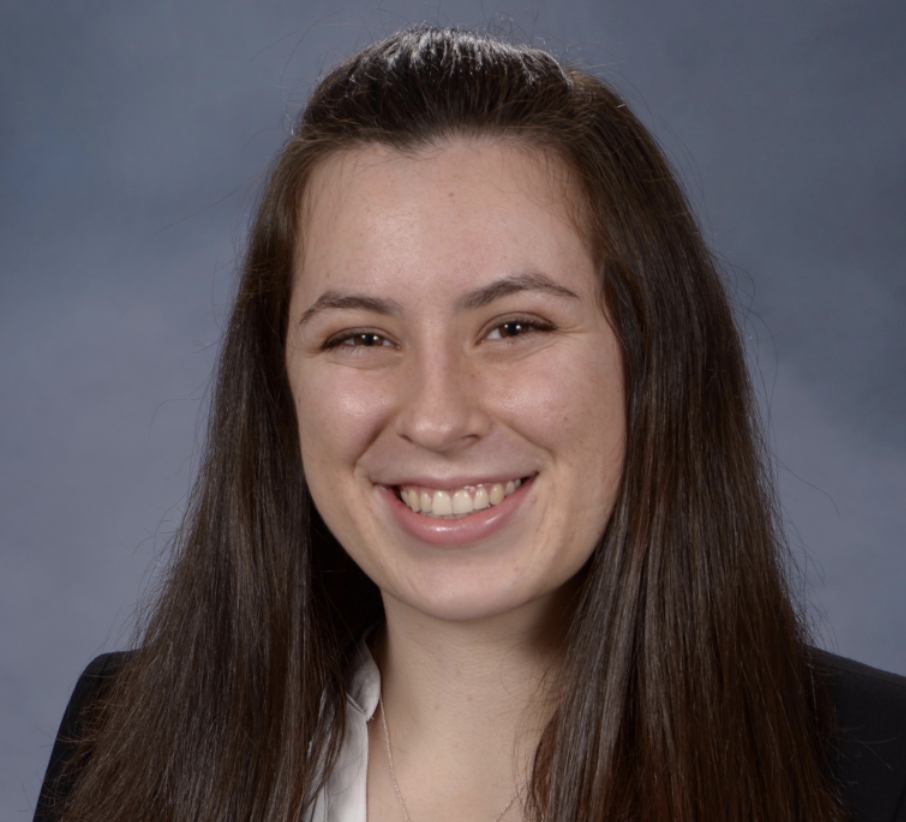
Amy S.
Amy graduated with a BS in Cognitive Science from Yale University, magna cum laude. She now attends Columbia University Vagelos College of Physicians and Surgeons. She hopes to develop new therapies and treatments for individuals with neurological disorders.
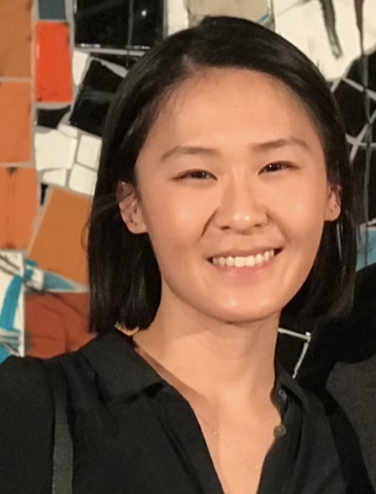
Diane H.
Diane is a MD/MS candidate at Columbia University, where she has recently published a first author manuscript in cardiothoracic surgery research. Previously, she studied Molecular and Cell Biology at the University of California, Berkeley, where she graduated magna cum laude and was inducted into Phi Beta Kappa.
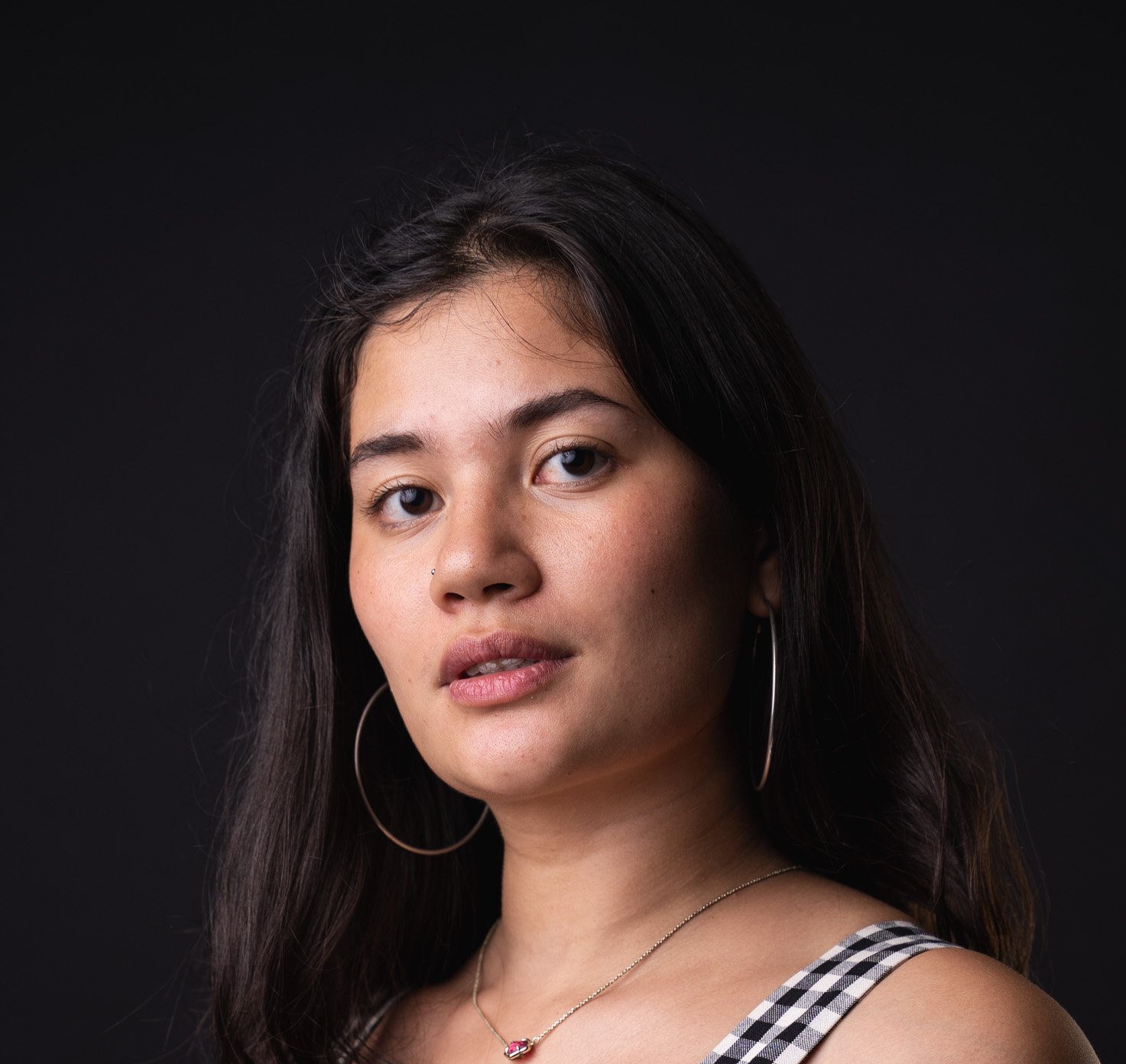
Sam C.
Sam graduated with a degree in Physics from Princeton University. After graduation, she taught physics at a high school in Phnom Penh, Cambodia. She's currently pursuing her MFA in fiction at the Iowa Writers' Workshop.
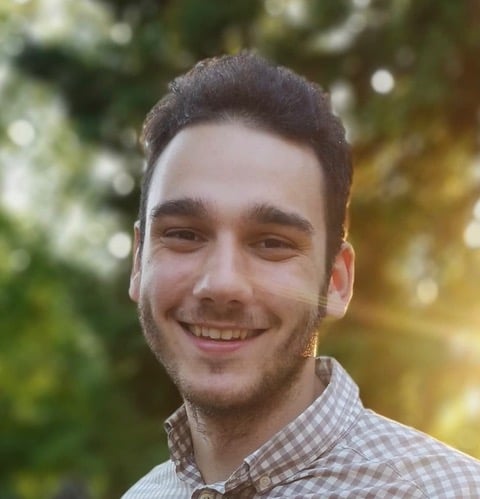
Raphael
Raphael attended Yale University, where he earned a BA in Musicology and graduated cum laude. After Yale, he completed a Masters of Music in Voice and Opera at McGill University, while tutoring math privately outside of his classical training.
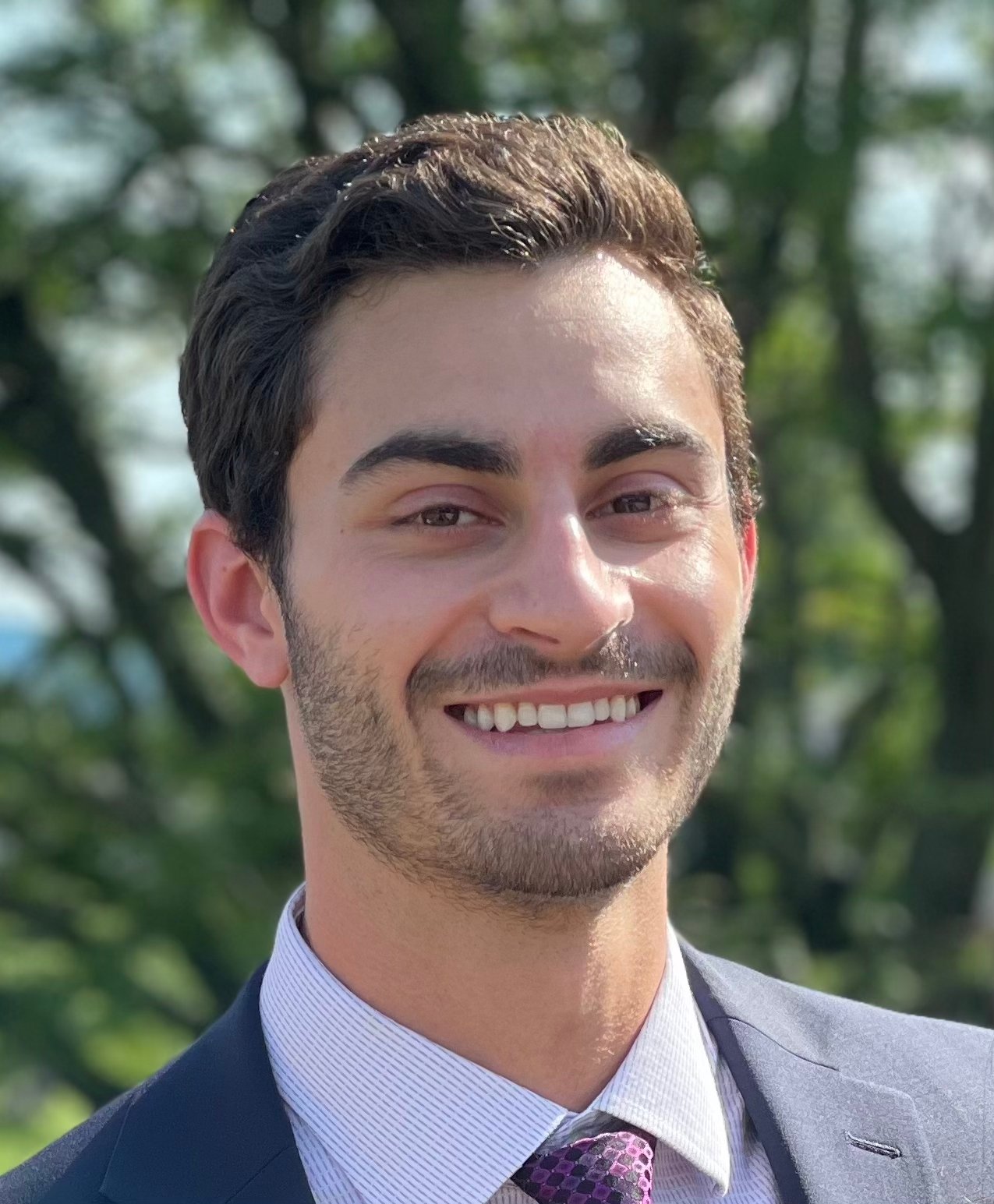
Iggy
Iggy majored in Mathematical Sciences at West Point. He now studies machine learning and applied mathematical techniques at MIT, working at the MIT Lincoln Laboratory to develop algorithms that predict the impact of cyber-attacks on national defense systems.
Nic
Nic found graduated from Princeton University in 2018 with a degree in Molecular Biology and Creative Writing, cum laude. Then, Nic completed a research year at Princeton Neuroscience Institute prior to starting at Harvard Medical School, where they are currently an MD candidate. They have received Harvard’s Presidential Public Service Scholarship and the REACH Scholarship.
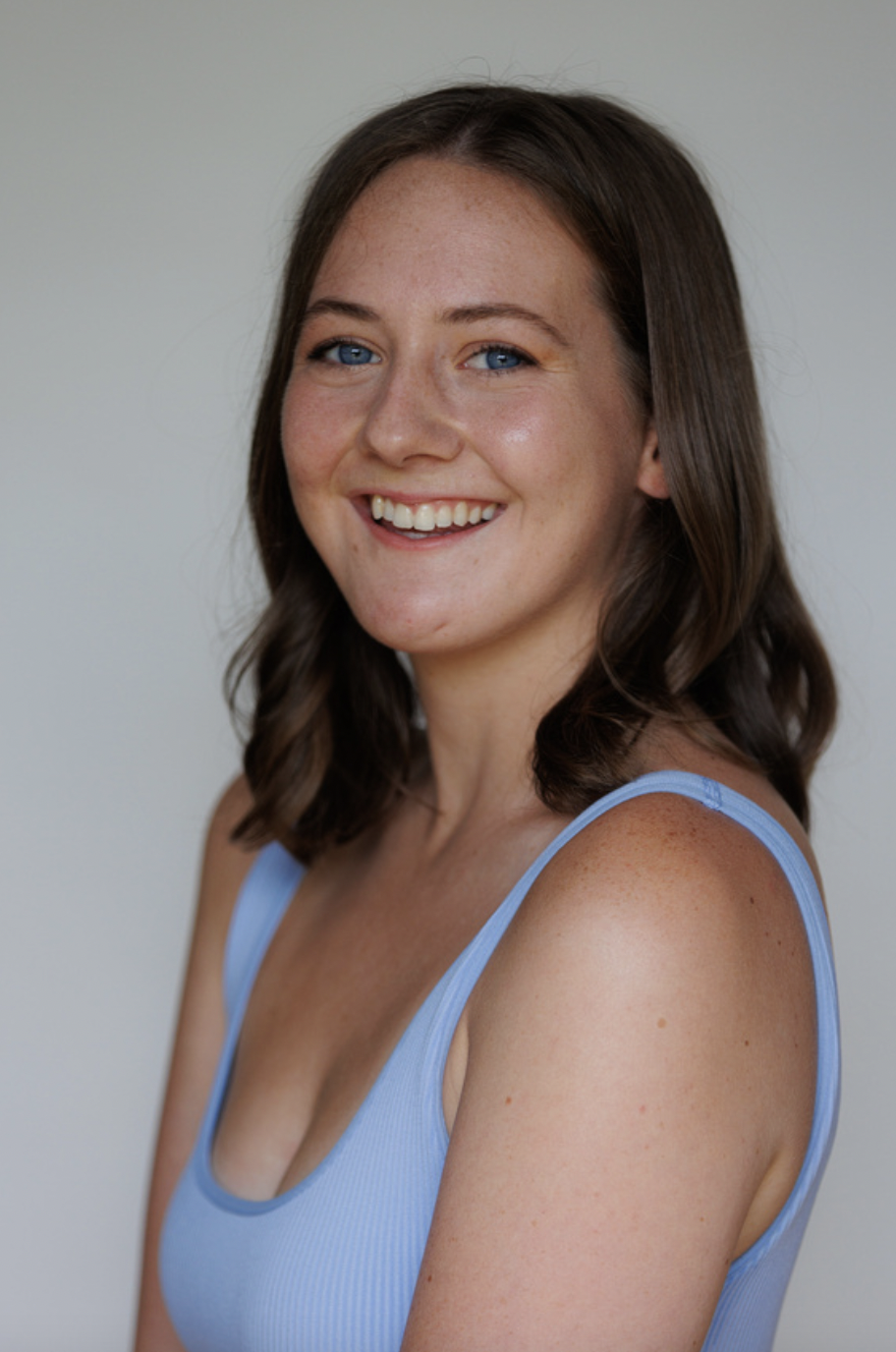
Katherine T.
Katherine graduated cum laude from Dartmouth College with a major in Computer Science modified with Film and Media Studies and a minor in Theater - a mouthful! Upon graduation, she accepted a role as Engineering Analyst at Accenture.
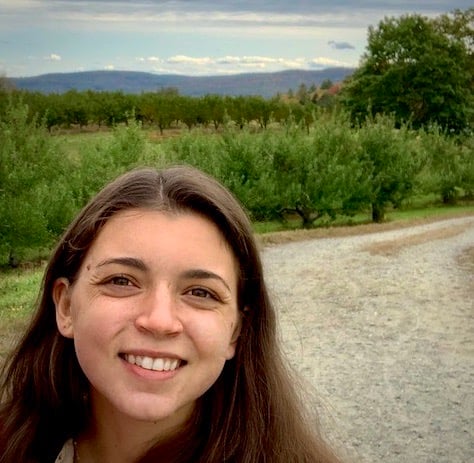
Emily V.
Emily is a PhD candidate at Harvard University in the Department of Human Evolutionary Biology. Currently, she is being funded by the National Science Foundation to research conditions in which the gut microbiome may behave in a way that is adaptive to the host. Prior to graduate school, Emily graduated from Harvard College cum laude with a degree in Human Evolutionary Biology and minor in Chemistry.
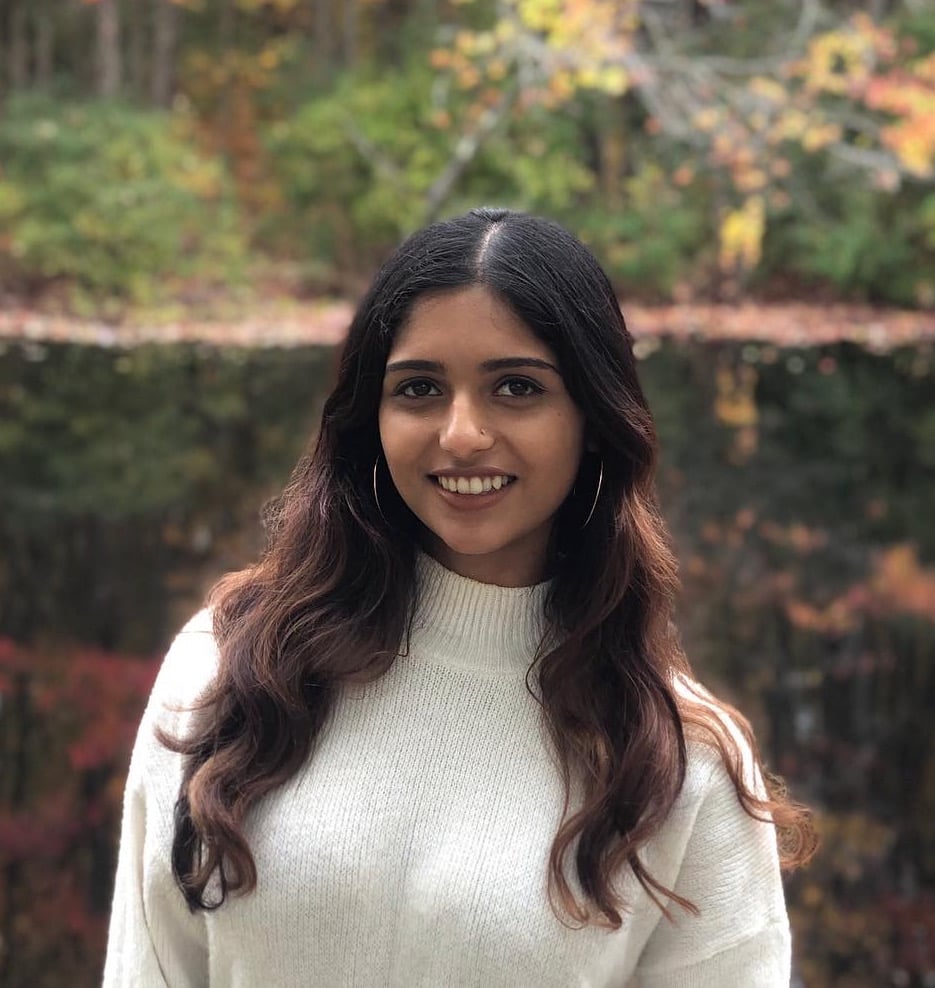
Tarika
Tarika graduated with dual degrees in Philosophy and Biochemistry from The University of Texas at Austin. She then spent a year as a research fellow at the Mayo Clinic Biomedical Ethics Research Program in Rochester, Minnesota before moving to Boston to pursue her MD at Harvard Medical School.
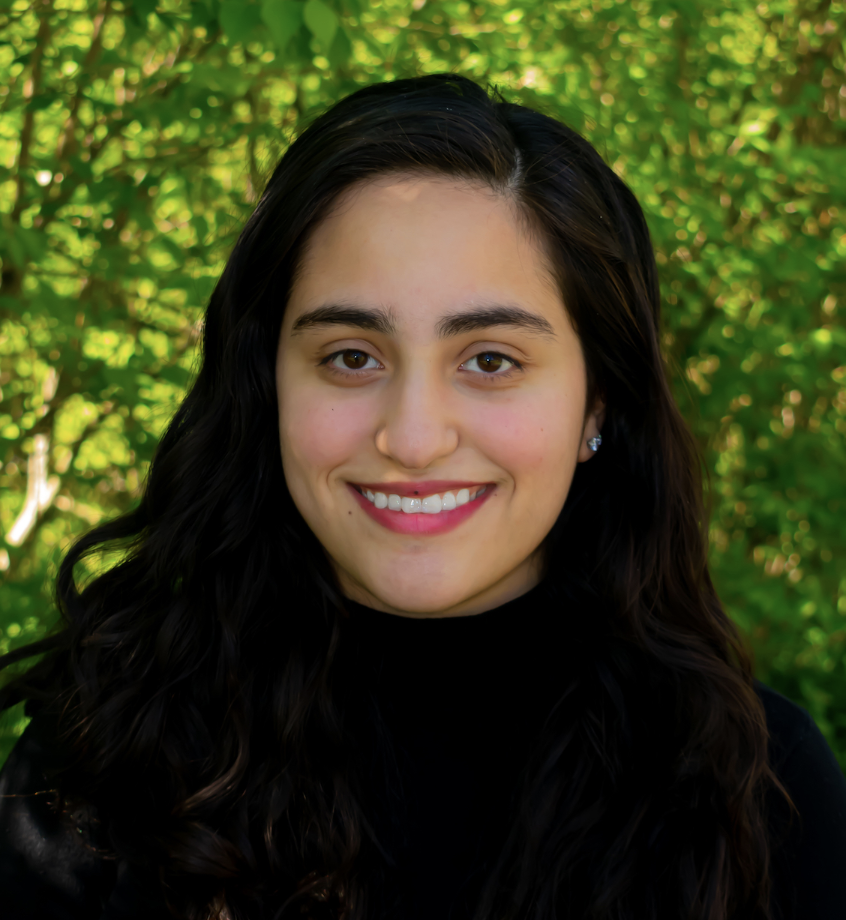
Layla
Layla is an MD Candidate at Harvard Medical School. Previously, she graduated from Johns Hopkins University with a BA in Writing Seminars and a minor in Islamic Studies. Her post-grad fellowship conducting ovarian cancer research at the National Center for Advancing Translational Science culminated in her choice to pursue a career in medicine.
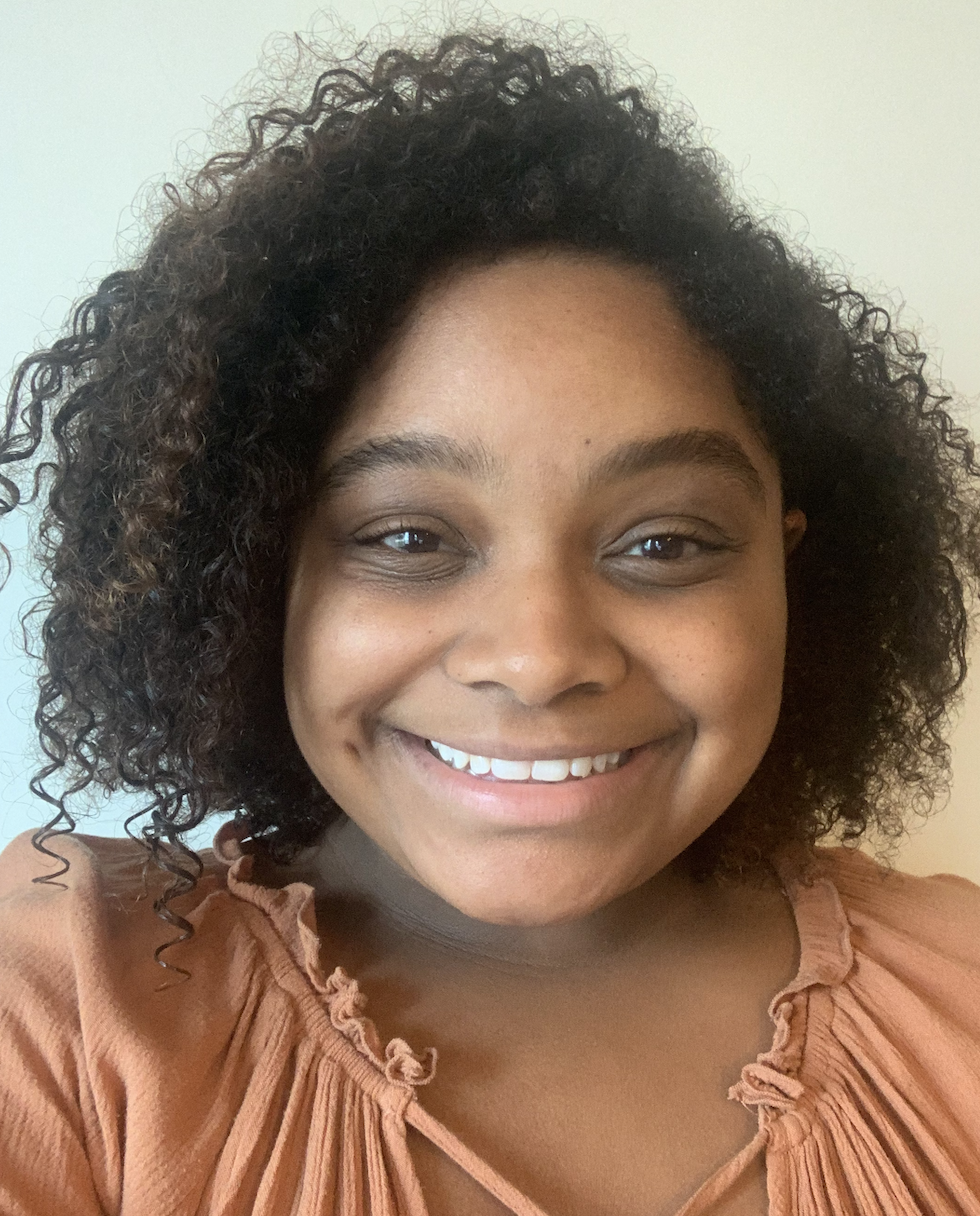
Benazir
Benazir holds a BA in Linguistics from Harvard College, where she graduated cum laude and with honors. More recently, she was a recipient of the Alex G. Booth ’30 Travel Fellowship, which she used to study, sail, and travel around the world.
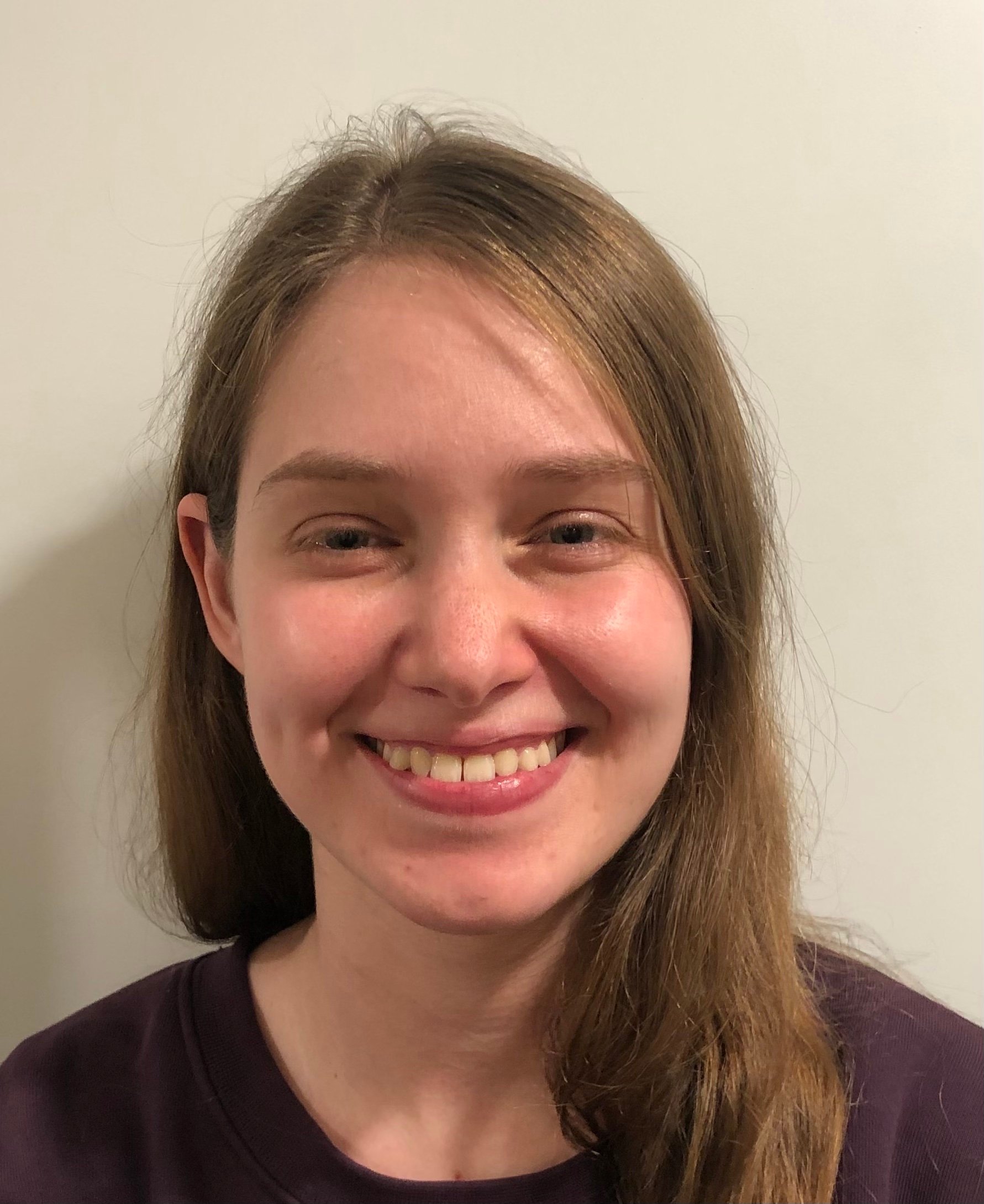
Yael
Yael earned a BA in Math and the History of Art and Architecture from Harvard College (magna cum laude, Phi Beta Kappa). In her senior year of college, she began the Harvard Teacher Fellows Program, through which she earned a Masters of Education from the Harvard Graduate School of Education.
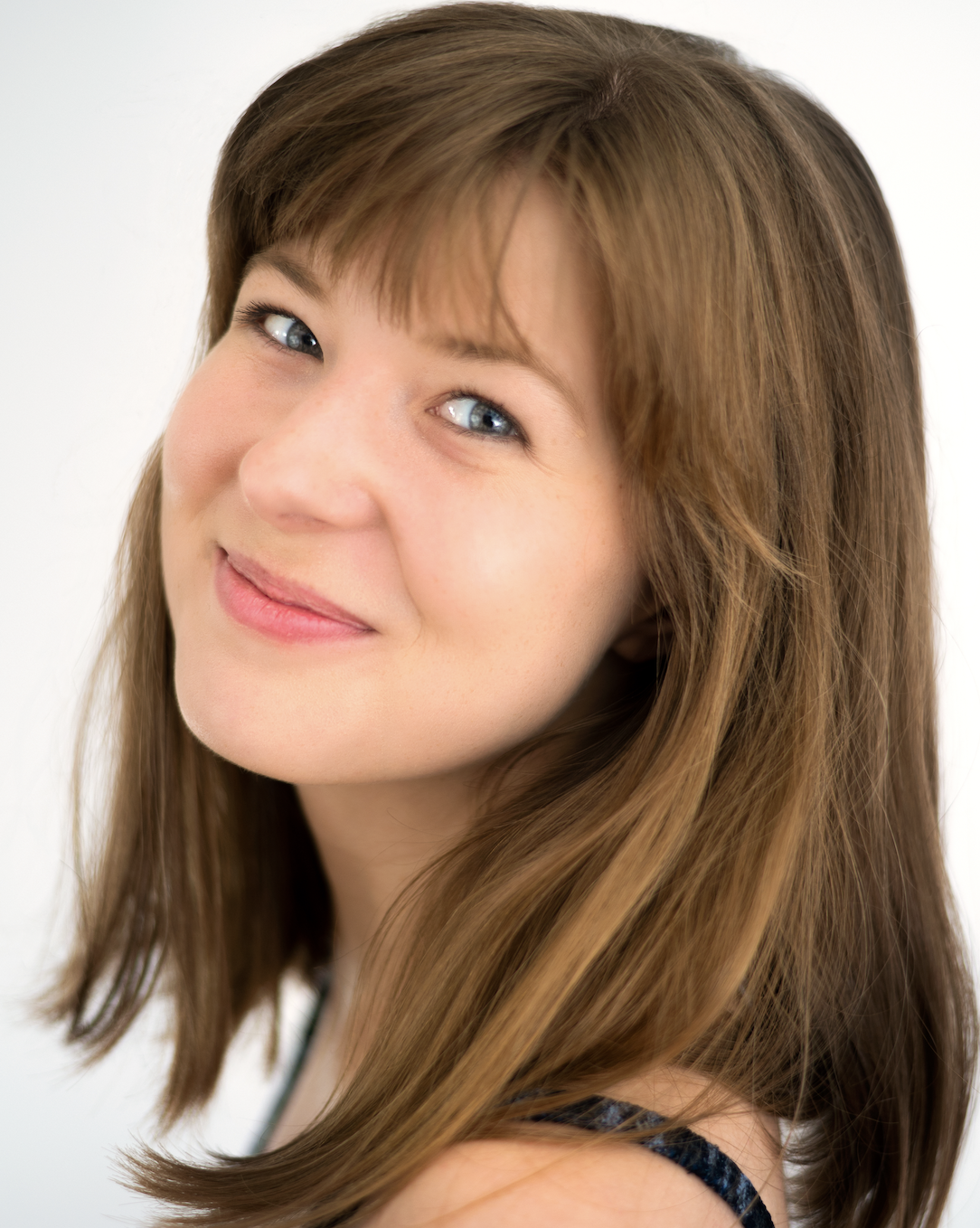
Molly P.
Molly received her BA from Harvard, graduating with Highest Honors in English and Theater, Dance & Media. During her time as an undergrad, she was named a Le Baron Russell Briggs Traveling Fellow, an Artist Development Fellow, and a John Harvard Scholar, and spent a summer studying Shakespeare at the University of Cambridge in England.
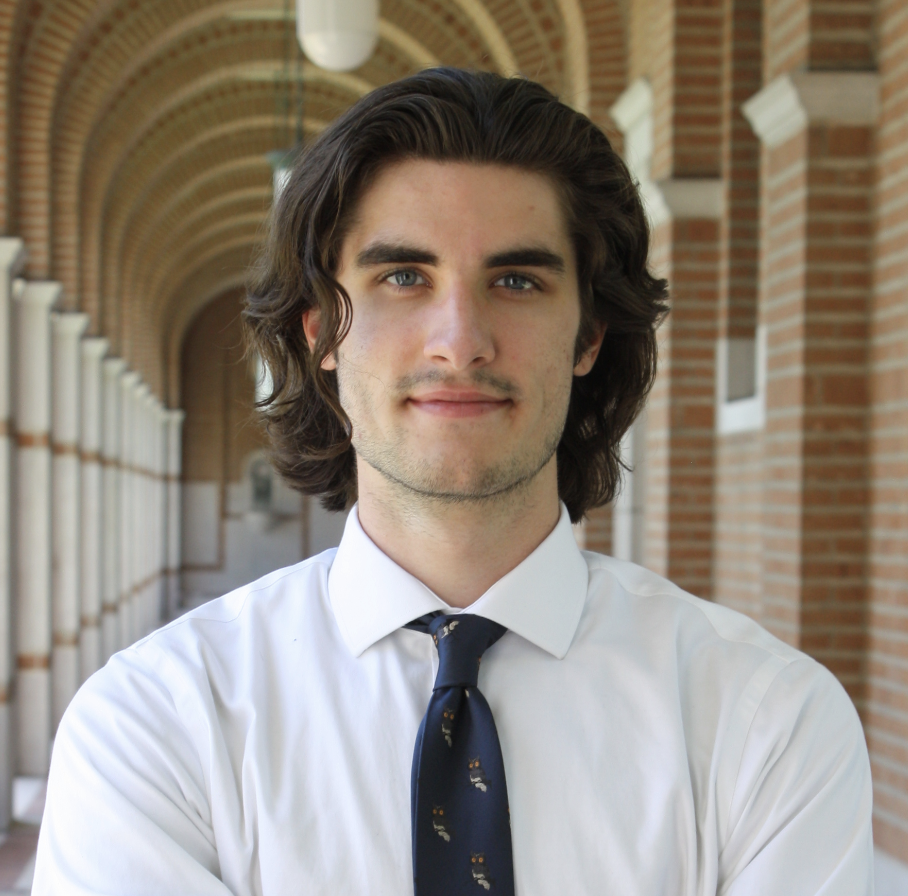
Nicholas C.
Nicholas he earned bachelors’ degrees in both Computational Physics and Mechanical Engineering at Rice University. He is now pursuing his Master’s in Medical Physics at Columbia University, with which he hopes to pursue radiation therapy for treatment of cancer patients.

Joe C.
Joe is currently a MS student at NYU studying computer science, specializing in machine learning and artificial intelligence. He completed his undergraduate degree at the University of Pennsylvania, where he majored in computer science and minored in math.
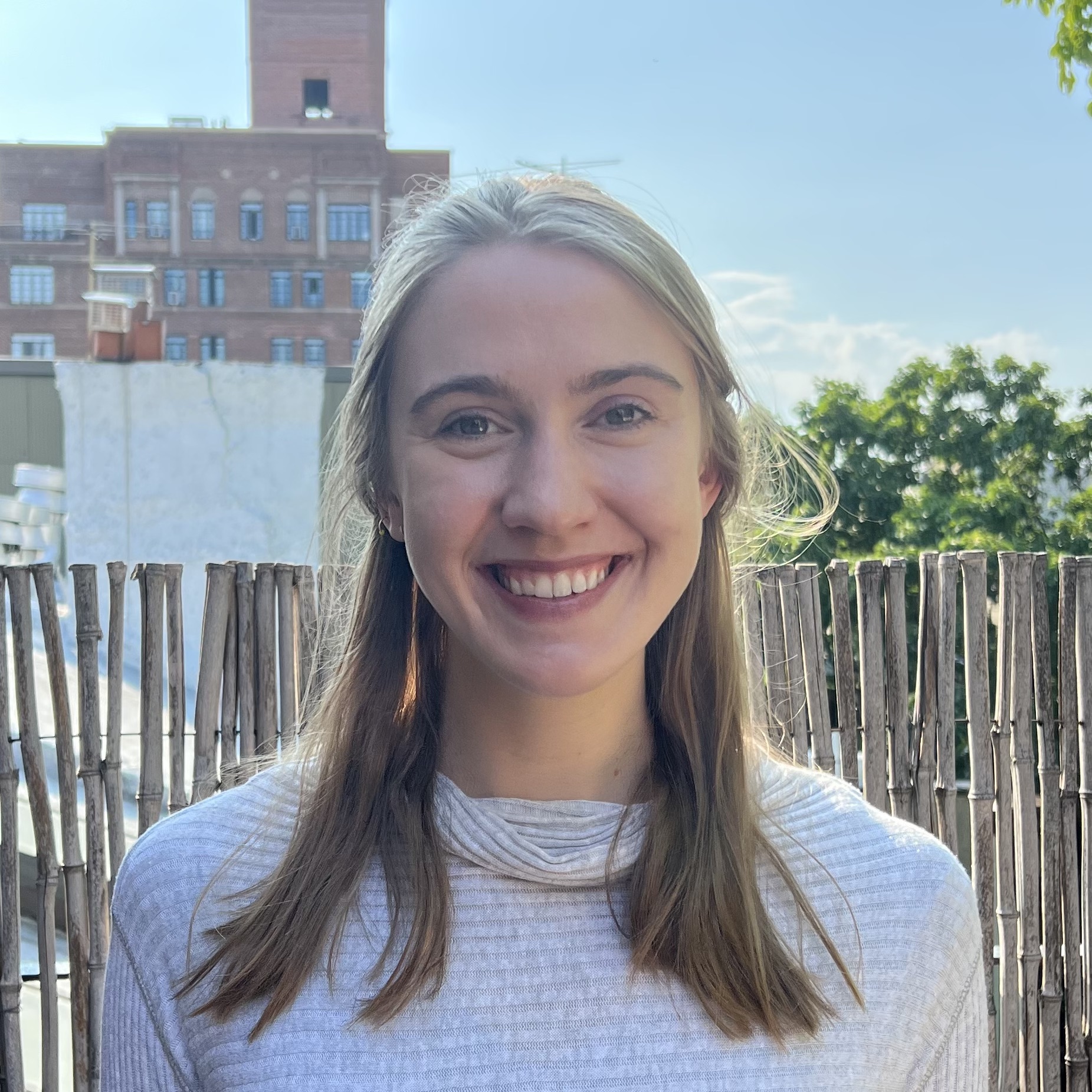
Hailey Y.
Hailey attended Yale, where she majored in Neuroscience. She's currently an MD Candidate at the Icahn School of Medicine at Mount Sinai.
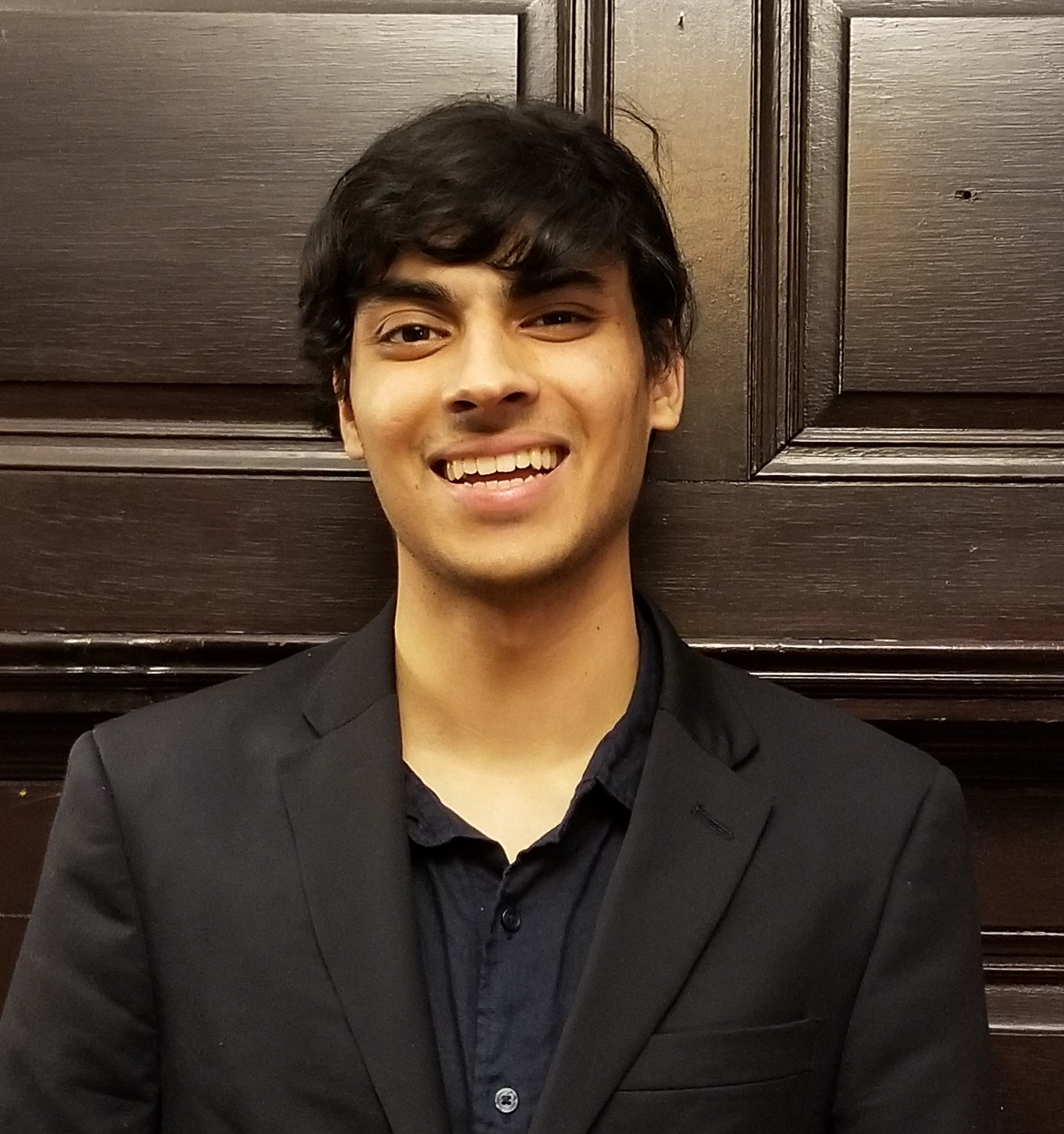
Akhil
Akhil holds a BA and MA in Political Science from Yale University. He is currently pursuing his MS in Comparative Social Policy from the University of Oxford as a Marshall Scholar. Following his time in Oxford, he will begin studying for his JD at Yale Law School.
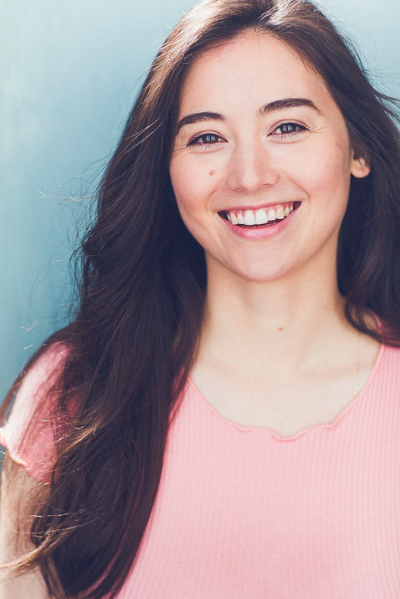
Anna Tw.
Anna holds an MFA in Acting from the Shakespeare Theatre Company/George Washington University and an MA in Acting from the Royal Academy of Dramatic Art. Previously, she earned her BA in Creative Writing from Stanford University.
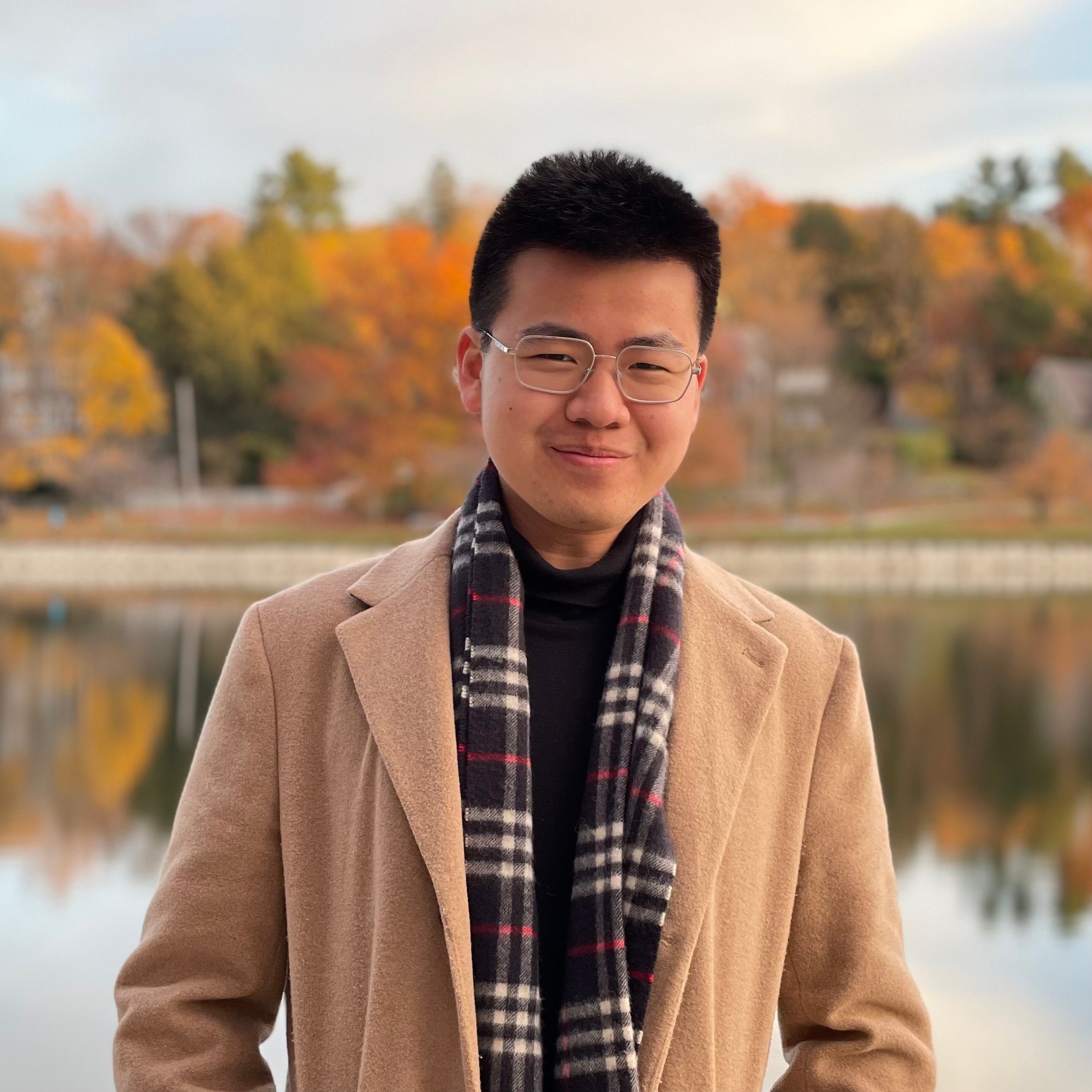
Michael T.
Michael is a current JD Candidate at Harvard Law School. He previously graduated from Brown University with BA degrees in Economics and International Relations (magna cum laude and Phi Beta Kappa).
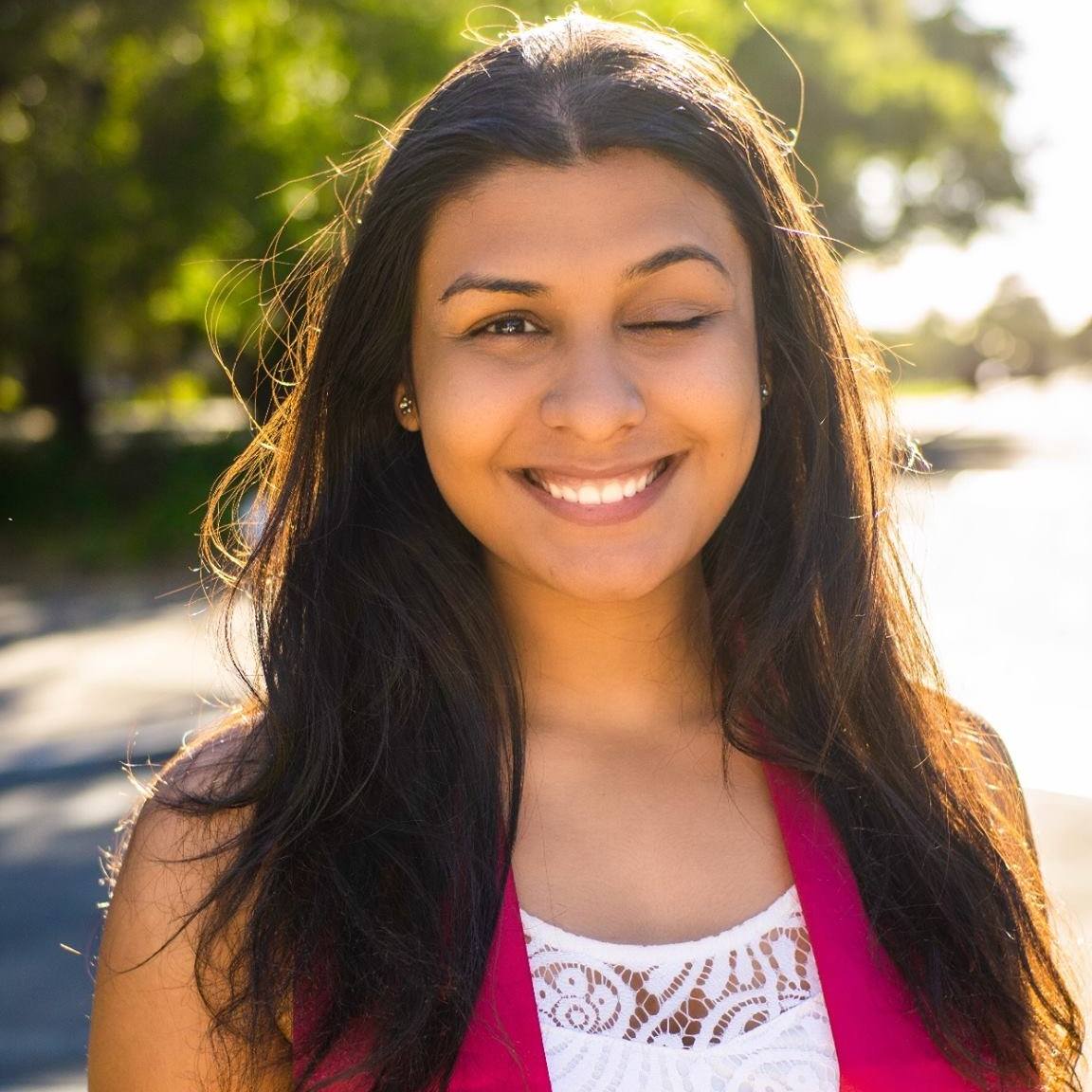
Preeti K.
Preeti holds a degree in Human Biology from Stanford University. She is now an MD/MBA candidate at the University of California, Los Angeles and is interested in pursuing internal medicine.
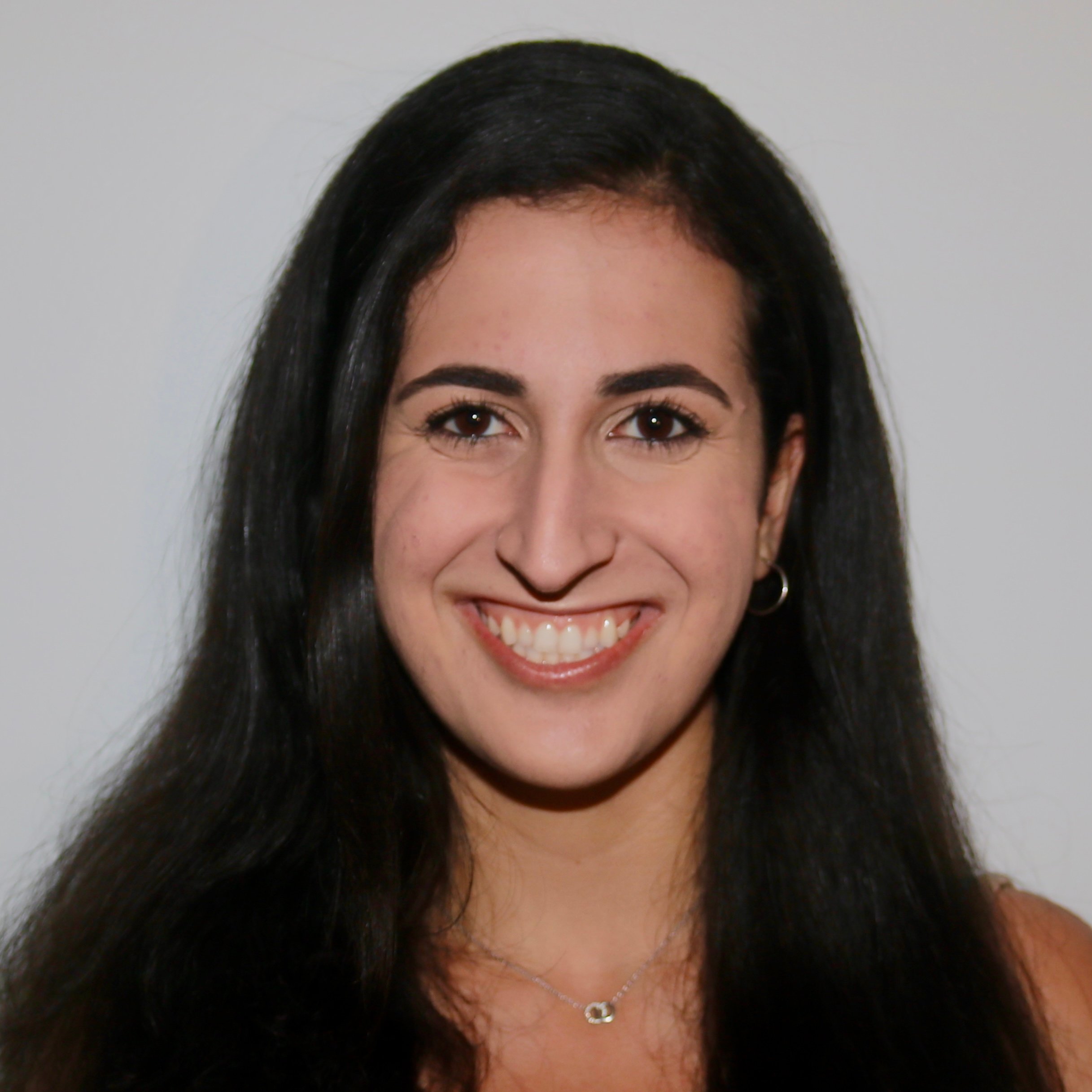
Lauren Q.
Lauren is pursuing her DMD at Harvard School of Dental Medicine. She previously he graduated cum laude with a BS in Psychology and Neuroscience from Yale, where she also received a certificate of advanced language study in Spanish.
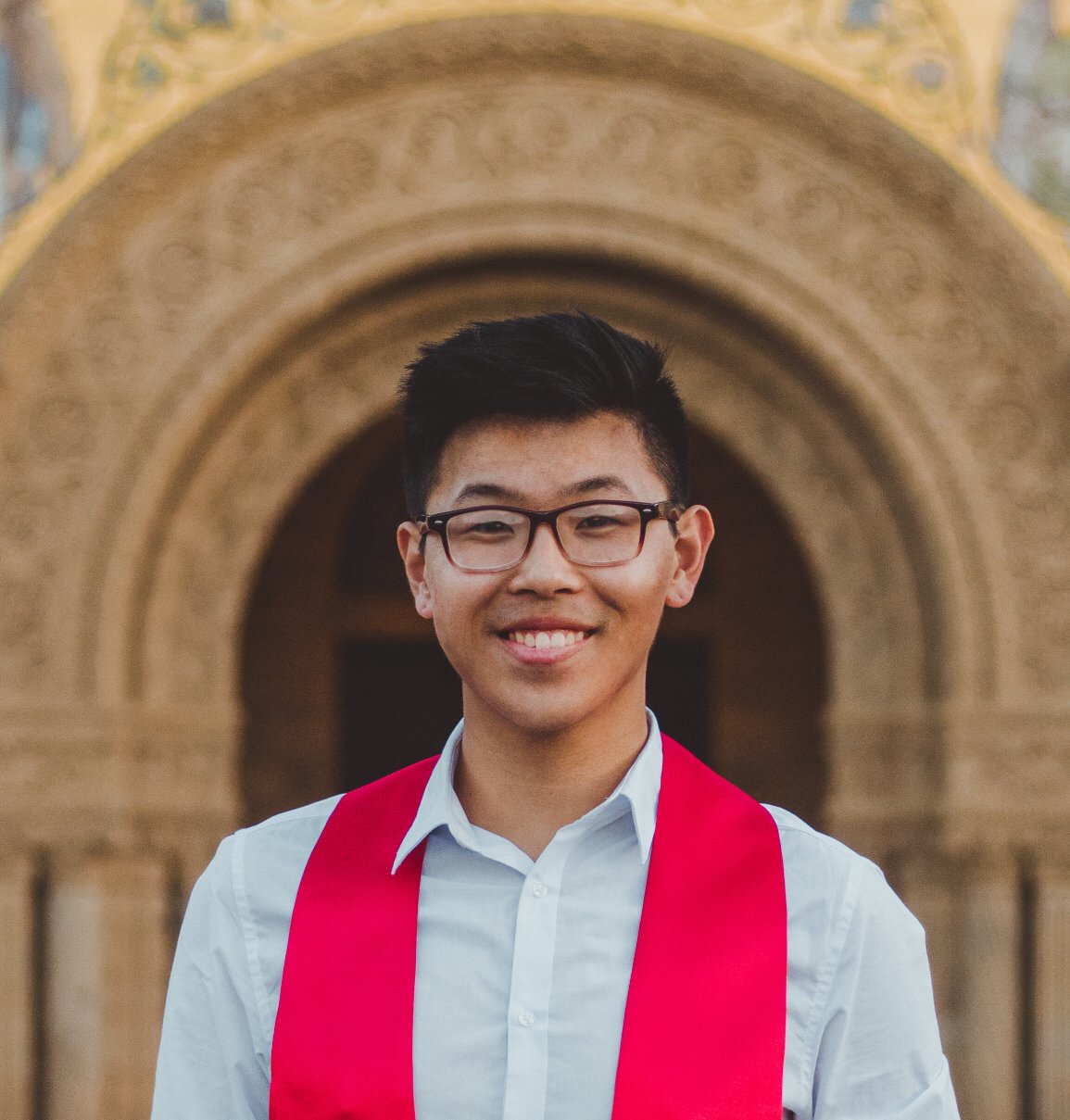
Jason L.
Jason is an MD Candidate at Harvard Medical School. Previously, he conducted research as a Fulbright Fellow in China, and graduated with honors from Stanford University, where he earned his BS in Human Biology.
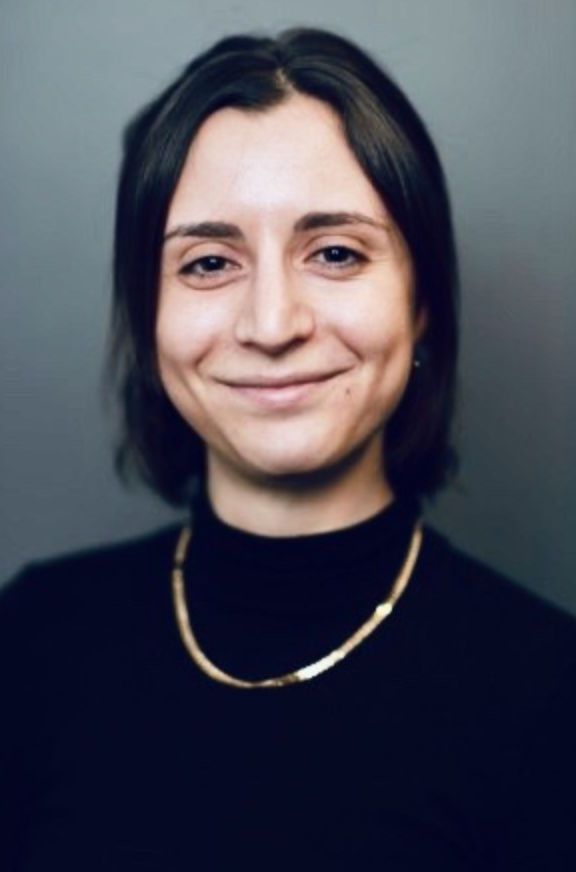
Dana
Dana earned her bachelor’s degree from Johns Hopkins University in Political Science and Economics, graduating cum laude. She continued to the Johns Hopkins School of Advanced International Studies to earn her master’s degree in International Relations and Economics, where she graduated with high distinction and served as a teaching assistant for Theories of International Relations.
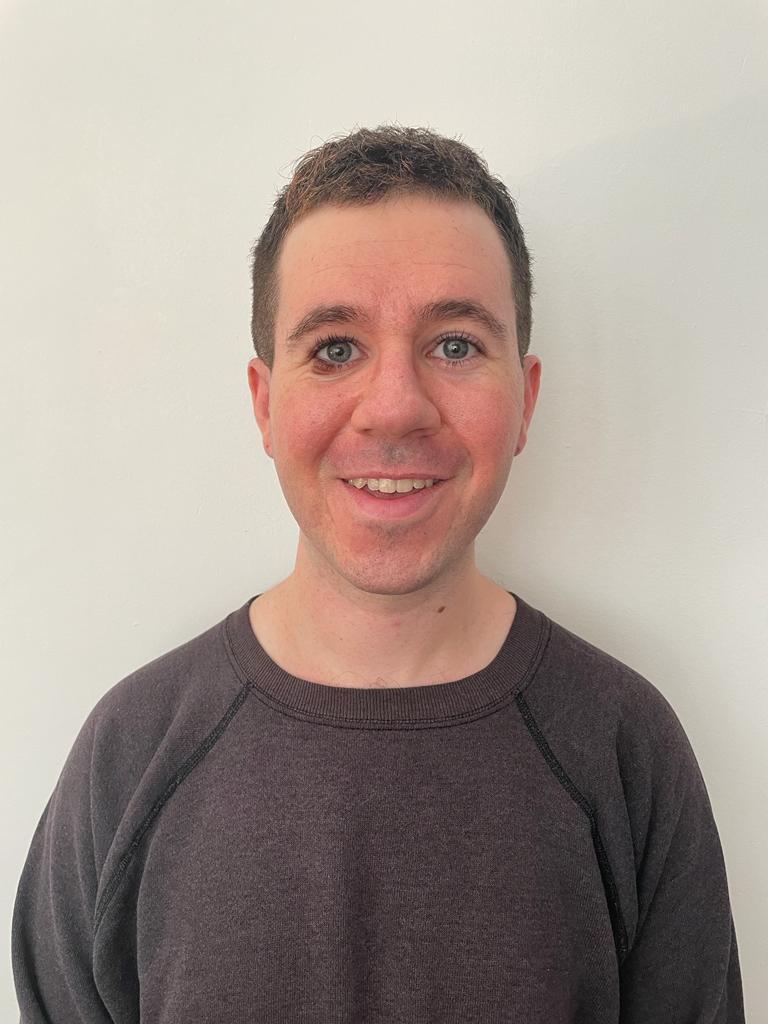
Andrew St.
Andrew received a BA from Columbia University, where he graduated magna cum laude and double majored in American Studies and English. After earning his MFA in Poetry at Brooklyn College, Andrew is now an adjunct lecturer at CUNY.
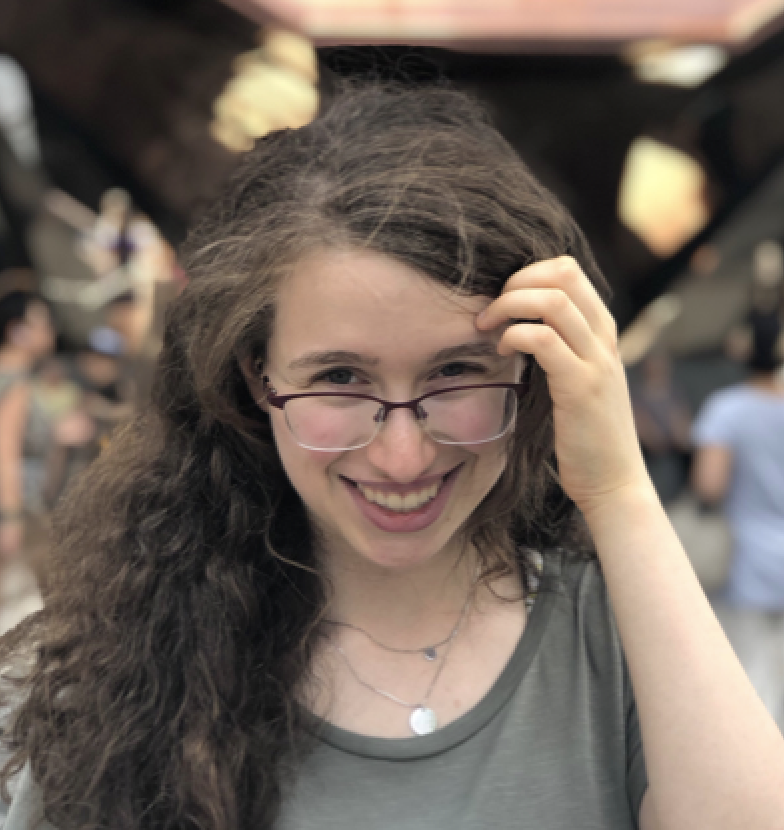
Alex P.
Alex graduated from the Massachusetts Institute of Technology (MIT) in 2022 with a degree in Biological Engineering and a minor in Science, Technology, and Society studies. She is now completing a PhD in Biophysics at Harvard University.
Ed P.
Edward holds a JD from Columbia Law School and a MAT in 7-12 Math Education. Previously, he graduated magna cum laude from Boston University. He is currently a high school math teacher in New York City.
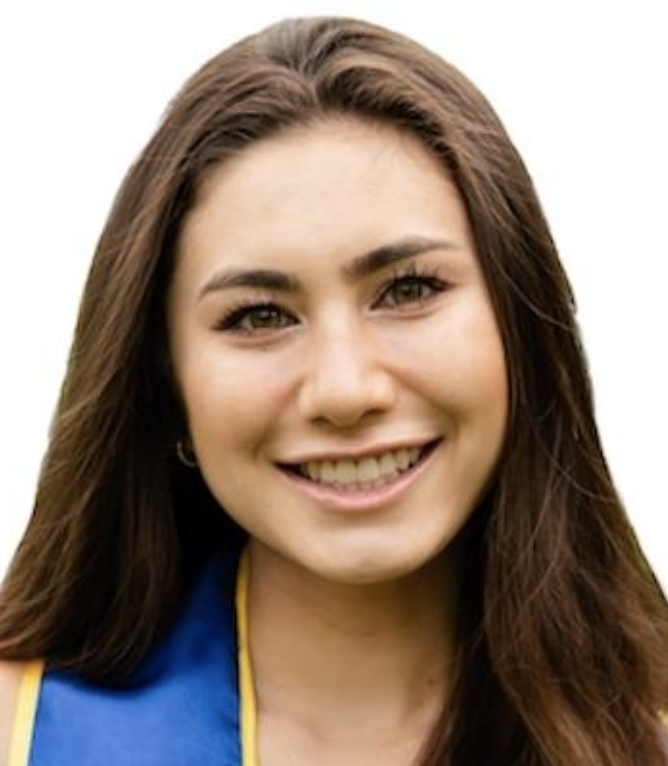
Alex W.
Alex graduated from UCLA with a degree in Molecular, Cell & Developmental Biology. She's currently a National Health Service Corps Scholar at the Harvard School of Dental Medicine (HSDM).
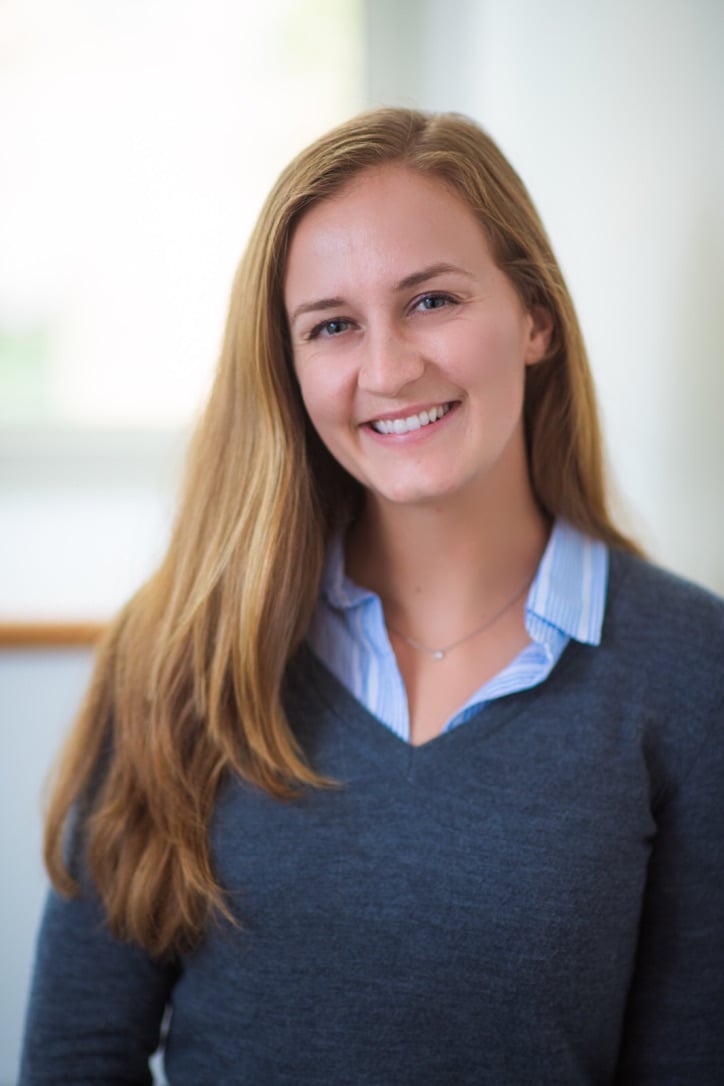
Kaitlyn L.
Kaitlyn played D1 softball at Stanford, where she majored in Computer Science (3.8/4.0 GPA). Presently, she is an MD-PhD student at Harvard working on her PhD in Bioinformatics.
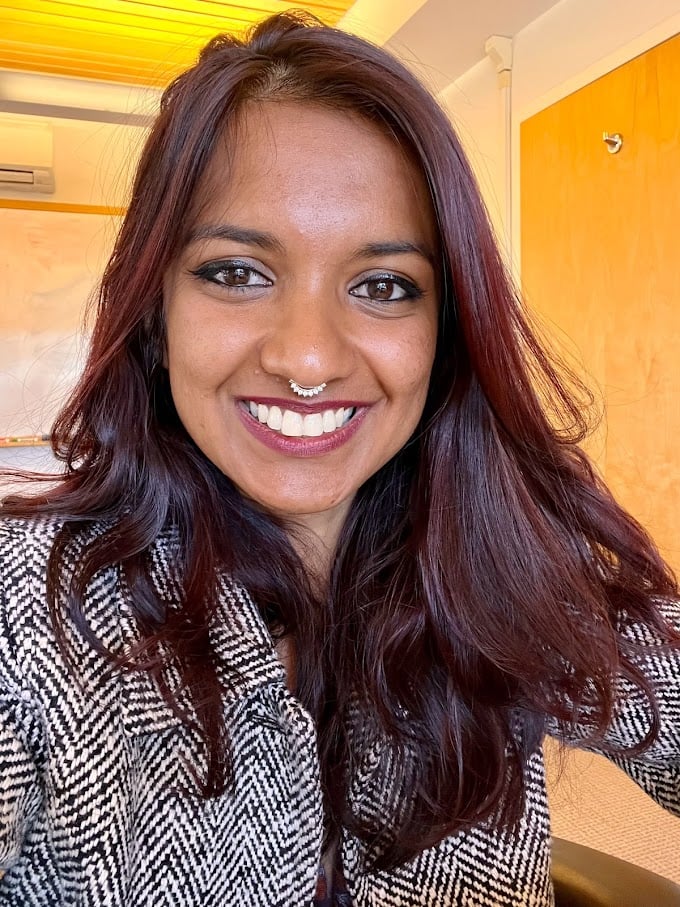
Farita
Farita earned her BS in Electrical Engineering at the Massachusetts Institute of Technology and her MS in Biomedical Engineering at the MIT Media Lab. She is now a PhD Candidate working on the Theoretical Physics of Living Systems at the MIT Media Lab.
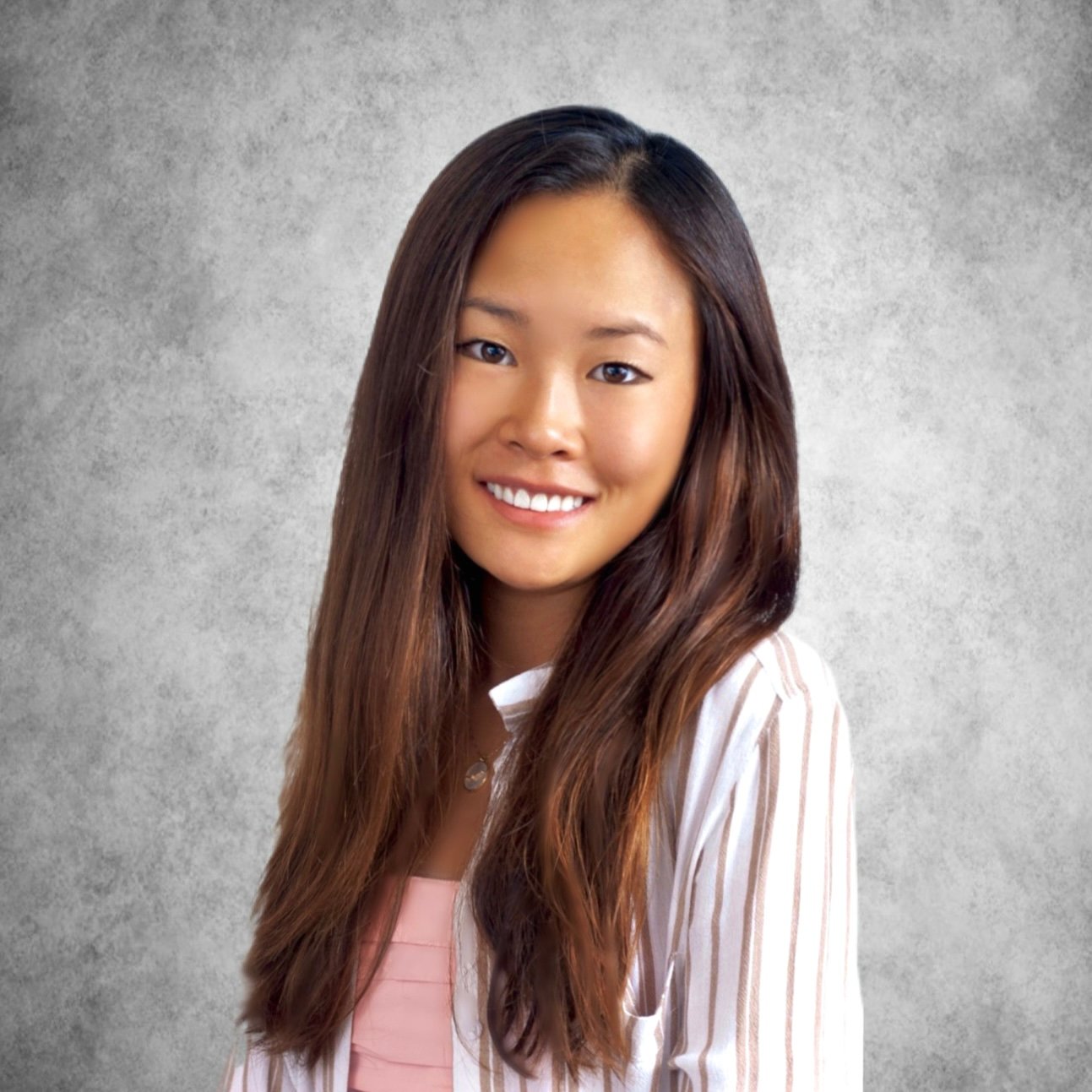
Angela R.
Angela attended Duke University, double majoring in Global Health and Biology with a Chemistry minor; she graduated magna cum laude and Phi Beta Kappa. She is pursuing her interests in health in the MD program at Johns Hopkins School of Medicine.
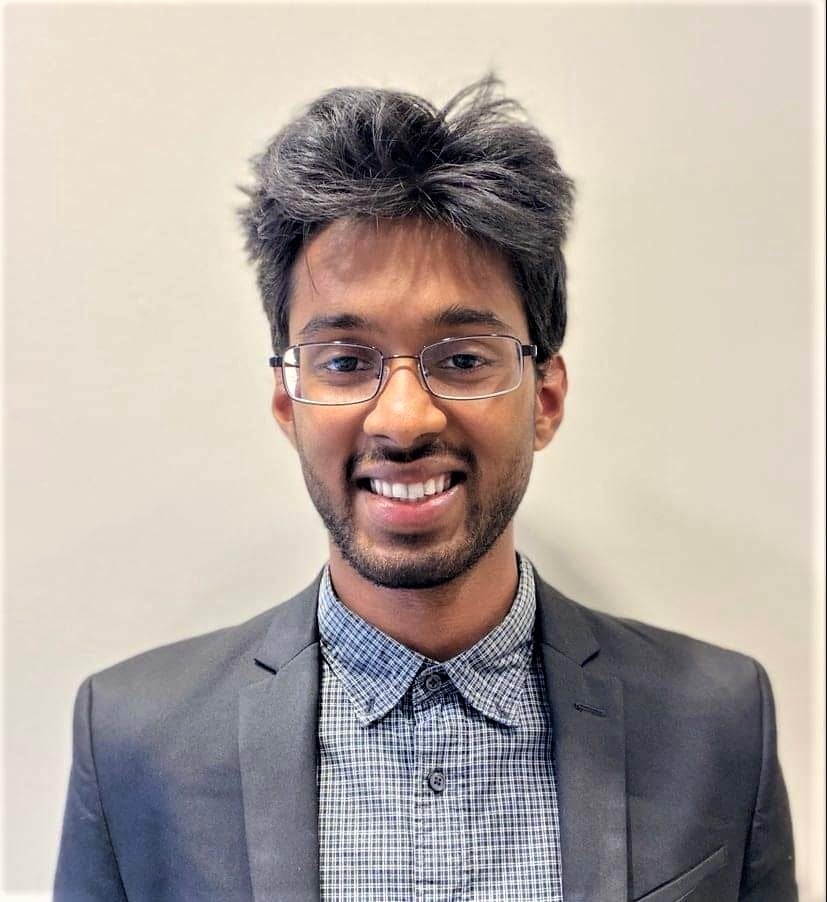
Siva
A first-generation US college student, Siva studied Mathematics and Molecular/Cellular Biology at Harvard College, graduating in three years with highest honors in field and Phi Beta Kappa distinction. He is now a MD candidate at Harvard Medical School.
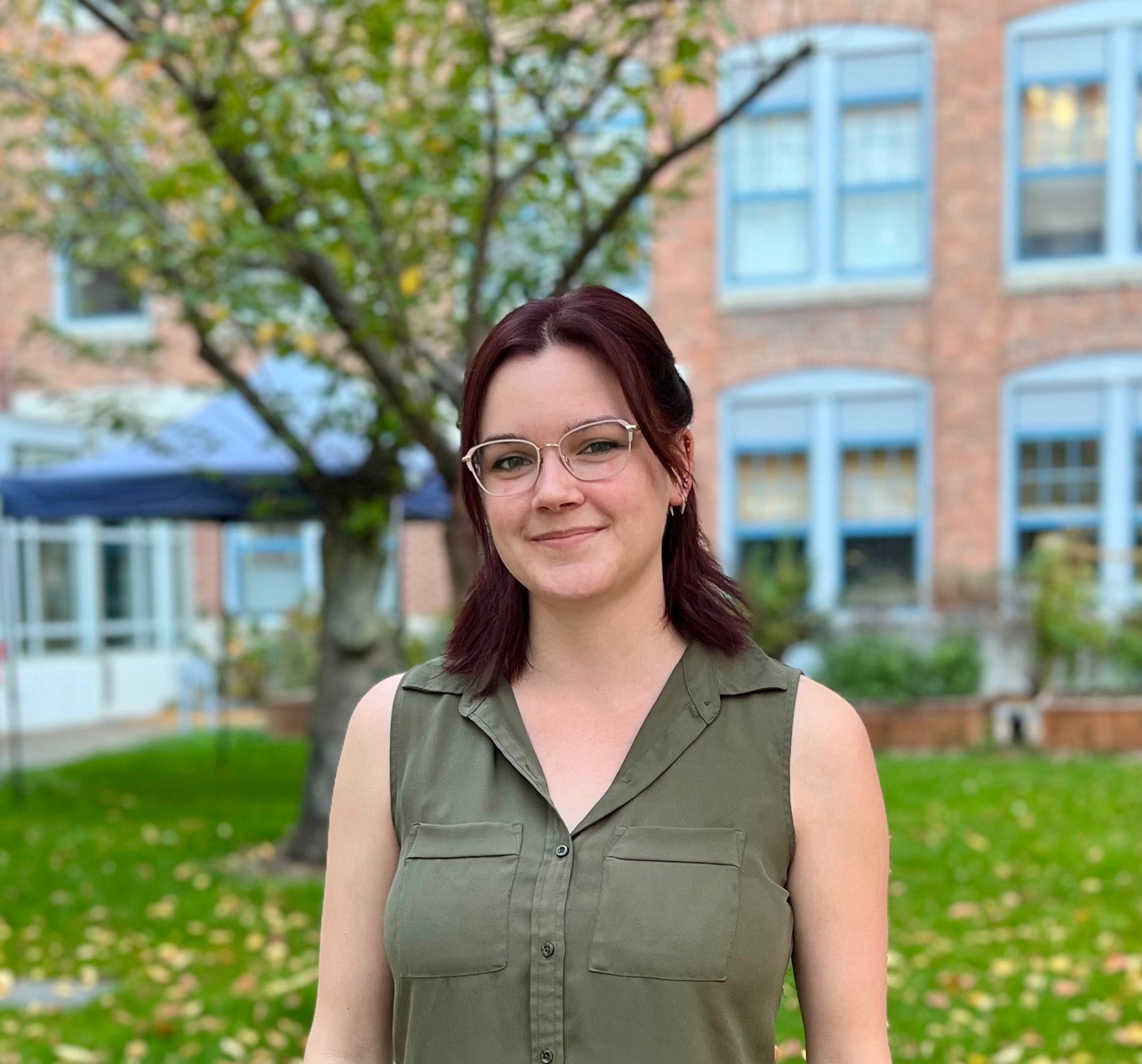
Alexandra K.
Alexandra graduated from Caltech with a BS in Physics in 2022, where she worked with four diverse research groups in four years. Alexandra is now a PhD student and NSF GRFP Fellow at the MIT Laboratory for Nuclear Science.
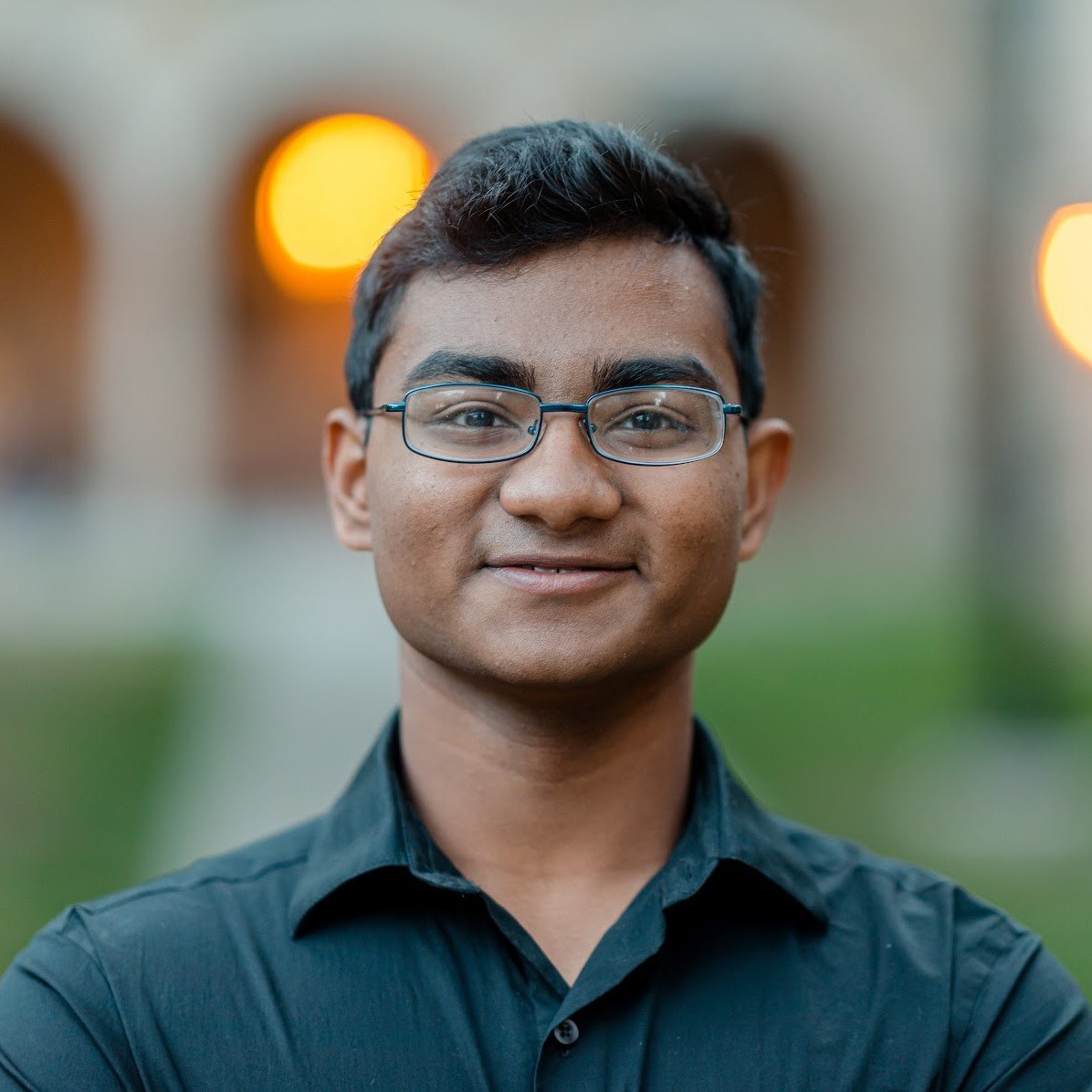
Ritvik
Ritvik graduated with a BSE from the University of Michigan, majoring in Biomedical Engineering and minoring in Computer Science. He has been accepted to and will be attending either Johns Hopkins School of Medicine or Columbia Vagelos College of Physicians and Surgeons.
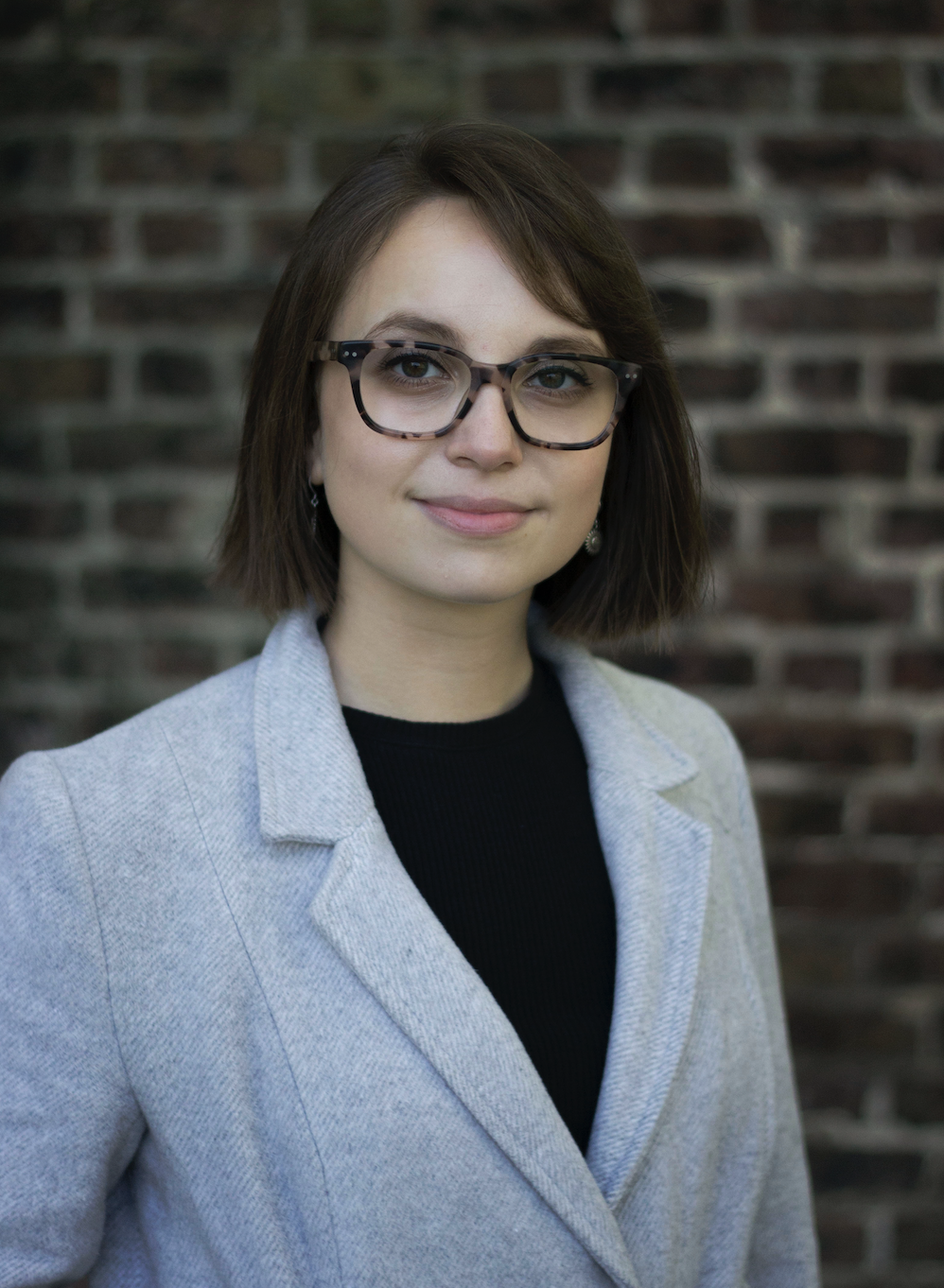
Olivia M.
Olivia is a 2016 graduate of Harvard University (cum laude) in English and Mind/Brain/Behavior. She also holds a Master of Studies in English (1900-present) from St. Catherine's College, University of Oxford (2017). Olivia works as both a professional tutor and theatre director in the UK.
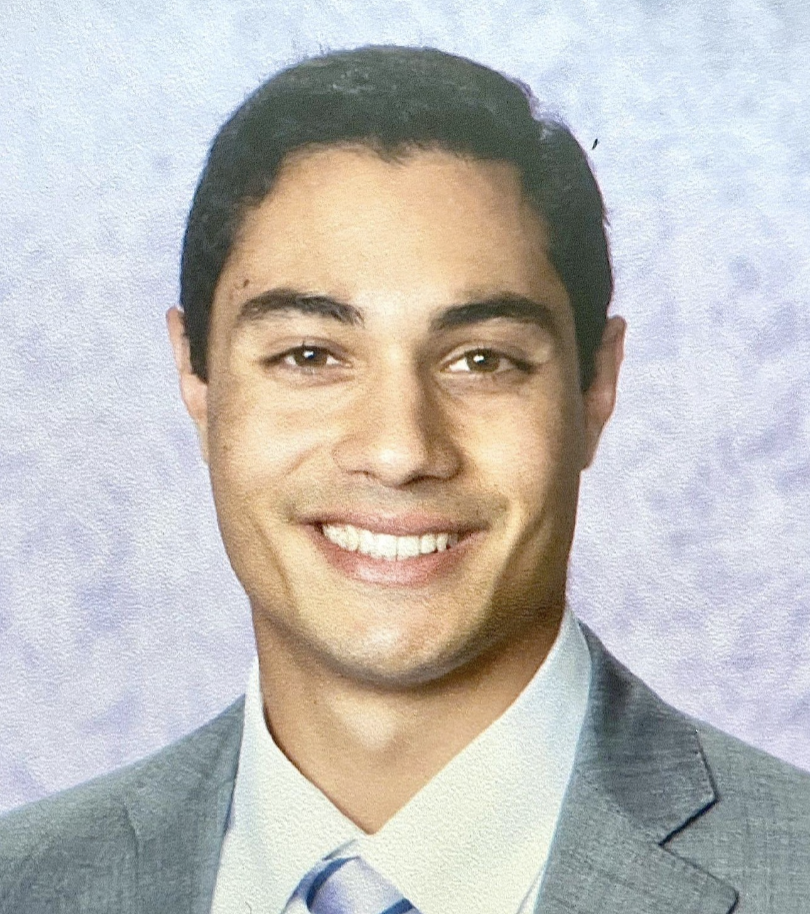
Tim Z.
Tim is a PhD Candidate in Physics at MIT. He studied Mathematics, Physics, and Economics at Vanderbilt University, where he received the Underwood Award for the most promising senior in physics, earned highest honors for his thesis, and graduated cum laude.
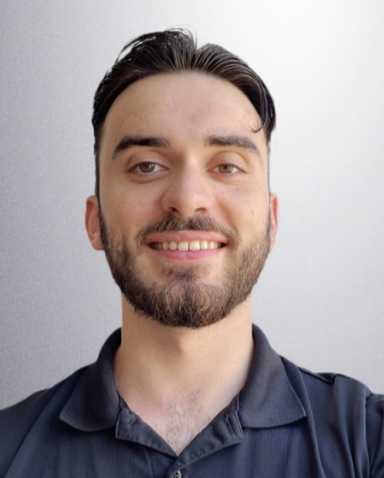
James Pa.
James graduated summa cum laude from Tufts University, majoring in Biology and minoring in Portuguese. He is now pursuing his MD at Tufts University School of Medicine.
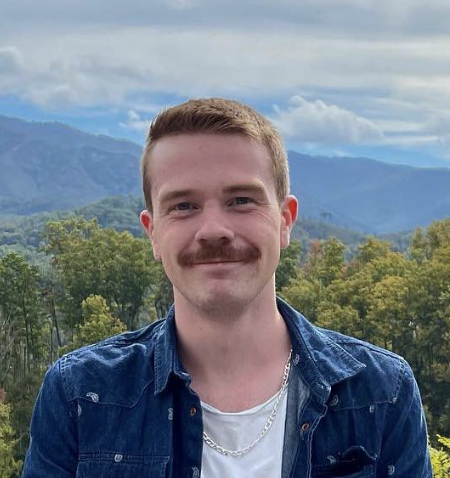
Jack Mc.
Jack earned his BA in Theatre and Performance Studies (cum laude) at Yale University, where he also pursued extensive coursework in humanities departments like English and History. After Yale, Jack earned his MA in Theatre at The Ohio State University with a focus on dramatic literature, history, and theory.
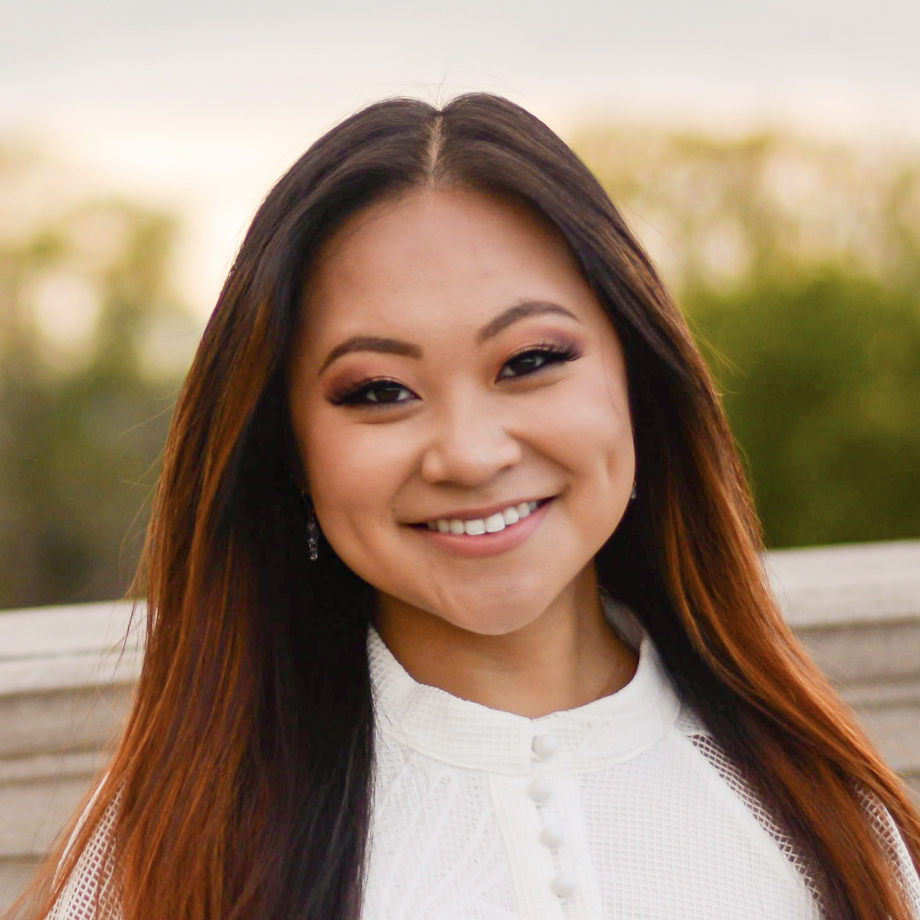
Yurigrace
Yuri-Grace is presently a Clinical Science PhD Candidate & NSF GRFP fellow at Harvard University. Originally from Peachtree City, GA, she graduated from Harvard College in 2021 with a BA in Psychology (highest honors) and a secondary in Classics.
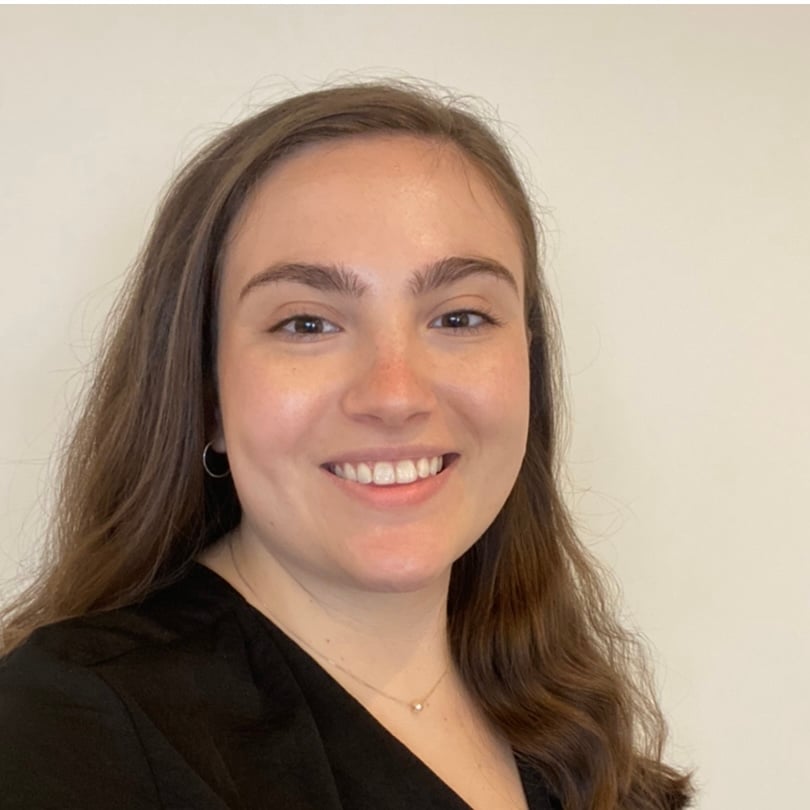
Sam H.
Sam graduated cum laude from Harvard College with a Bachelor of Arts in History and Literature. She has professional experience working as a paralegal and a classroom English teacher. She is now pursuing her JD at the University of Pennsylvania.
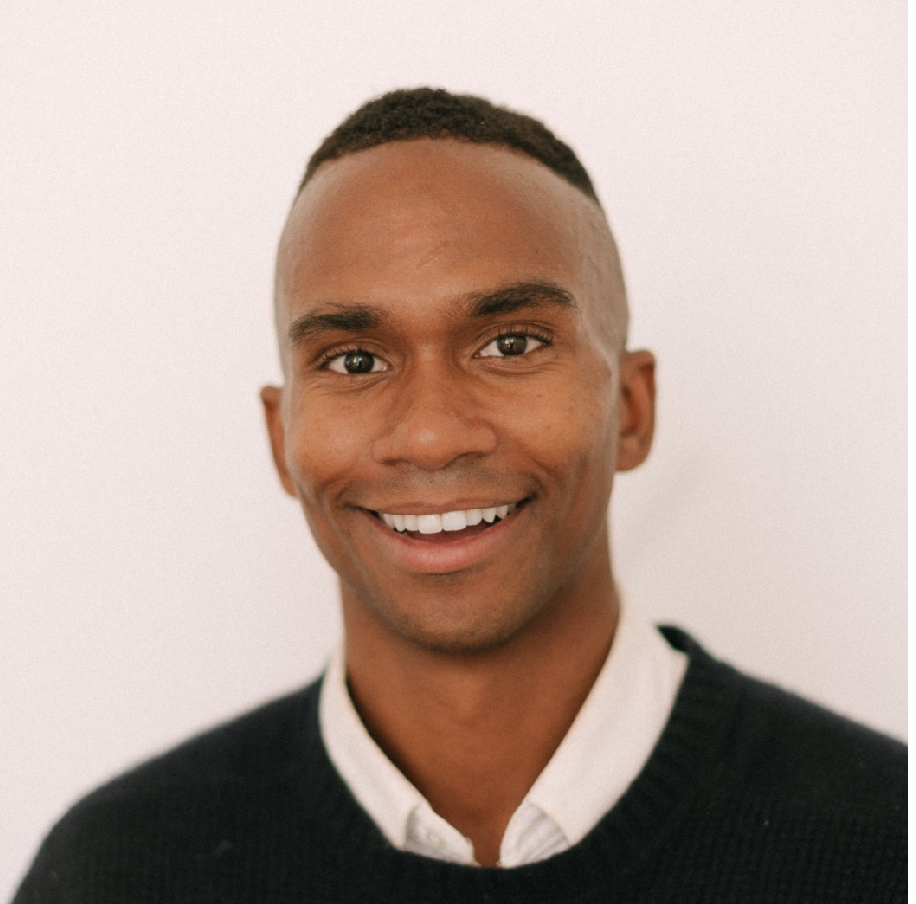
Rob F.
Rob holds an MFA in Fiction from New York University. Previously, he worked for Bain & Company and graduated from Stanford with a major in Political Science. He currently writes poetry, fiction, and art criticism.
Sanjana K.
Sanjana graduated summa cum laude and Phi Beta Kappa from the University of Michigan with a major in Molecular, Cellular, and Developmental Biology and minors in Music and the Sociology of Health & Medicine. She is now pursuing her MD at the University of Michigan.
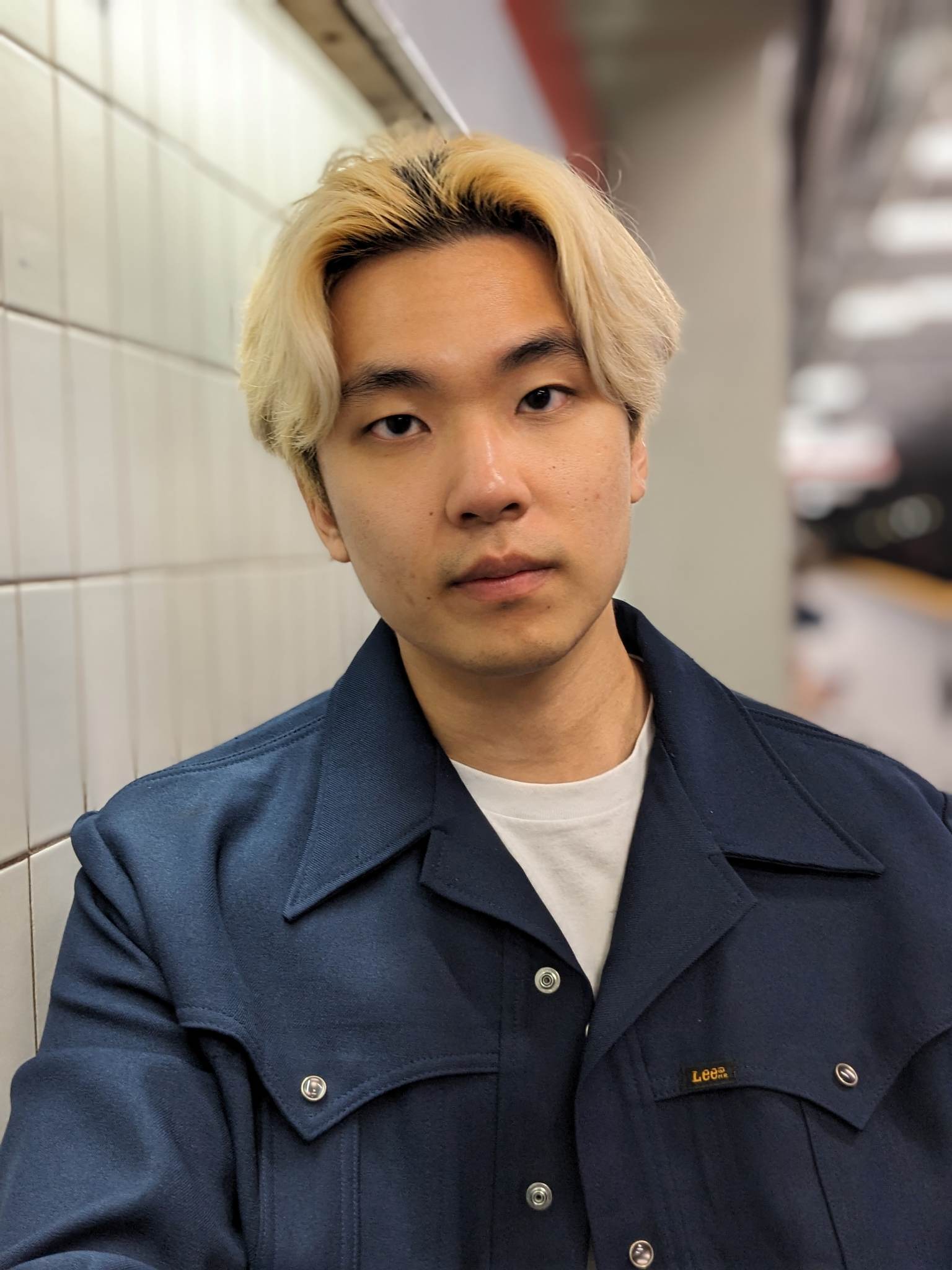
Jinoh
Jinoh attended Columbia University, where he graduated with a Neuroscience and Behavior major with a 3.8 GPA and departmental honors. He is currently pursuing a PhD in Neurobiology at Harvard.
Sonya C.
Sonya is presently an MBA Candidate at Harvard Business School. A published fiction writer and Presidential Scholar graduate of Cornell University, she holds a BS in Applied Economics with a minor in Creative Writing.
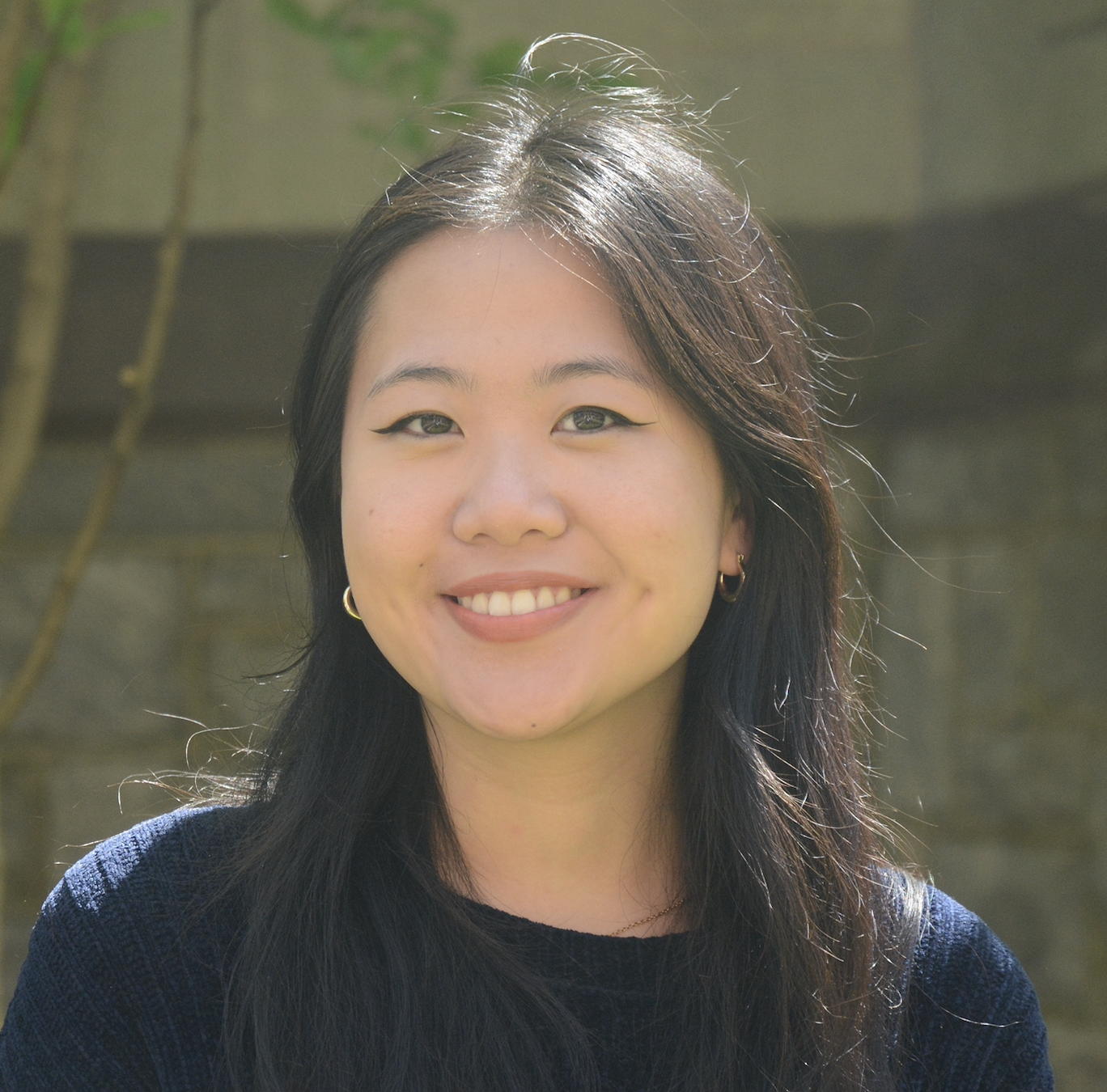
Alice H.
Alice holds a BA in Communication from the University of Pennsylvania and an MA in Communication Design from Northumbria University (Fulbright Scholar). She will next attend the Harvard Graduate School of Design, where she will obtain her Master's in Design Studies.
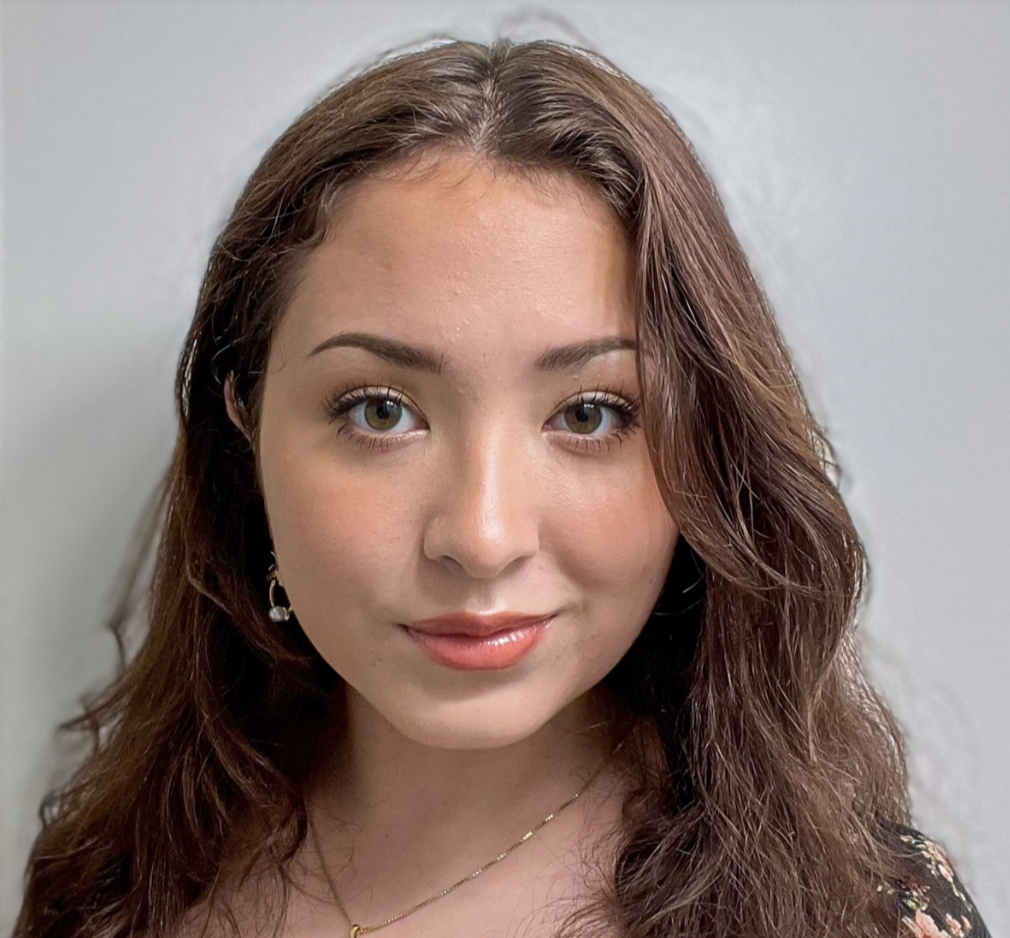
Alexa Z.
Alexa graduated cum laude from Harvard College with a Bachelor of Arts in Social Studies and a secondary degree in Psychology. She earned high departmental honors in Social Studies, and her thesis on political myths, critical theory, and female social mobility received magna distinction.
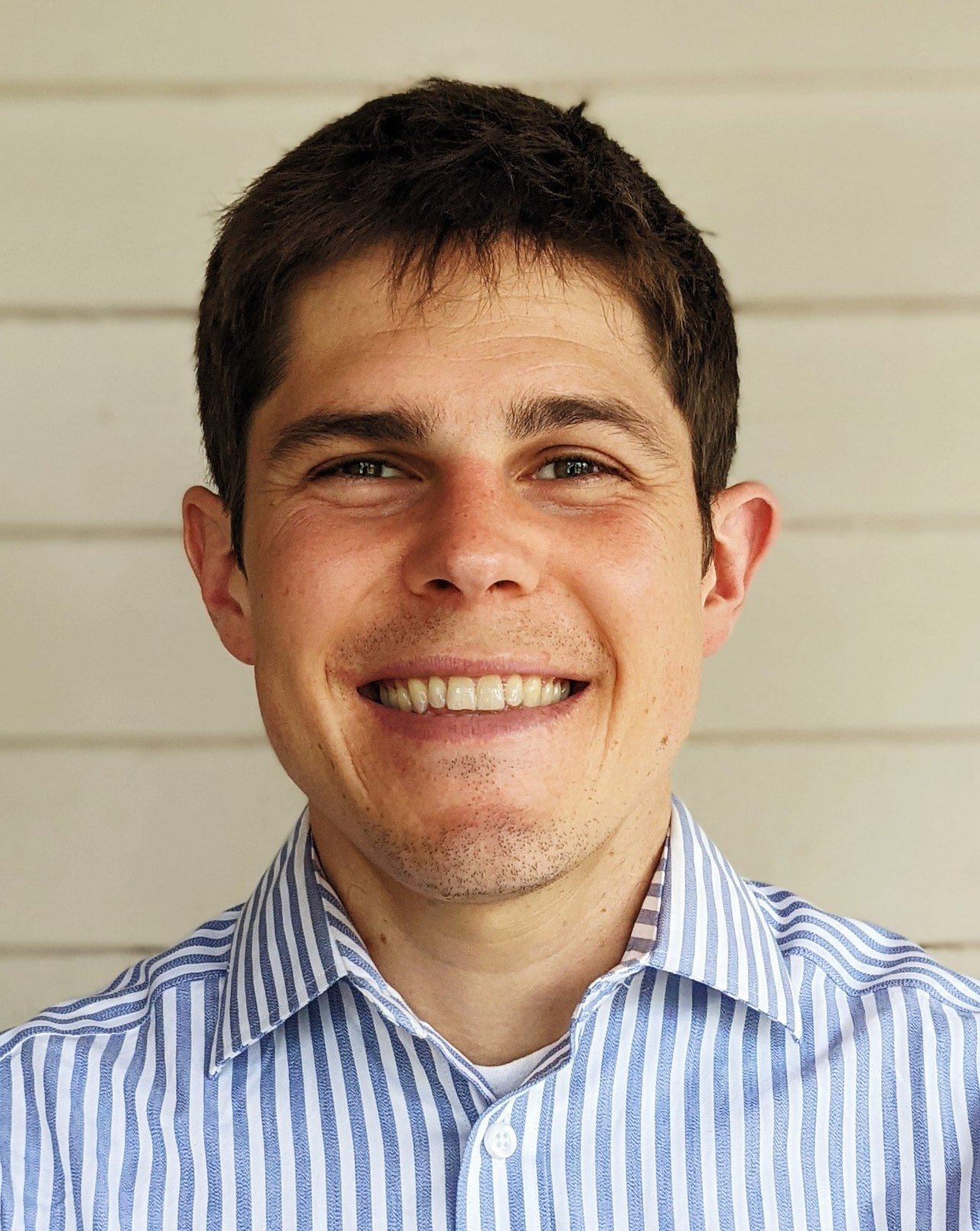
Nate O.
Nate attended Harvard College before completing a five-year Fellowship appointment in the Harvard Department of Philosophy, where he developed a research-backed method of teaching logical reasoning skills to high school and college students.
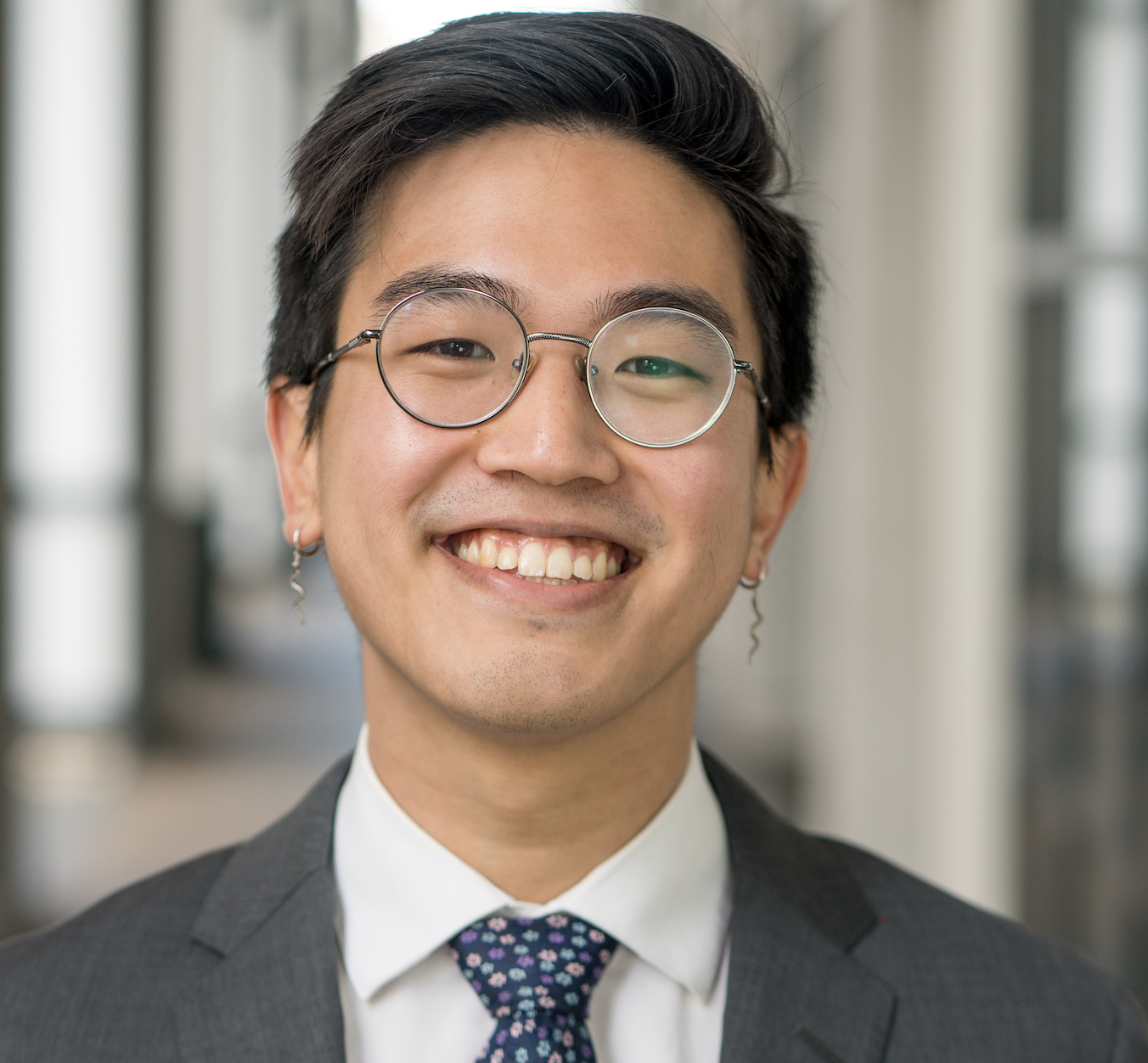
Patrick L.
Patrick is a recent JD graduate from Yale Law School. He previously received his BA in Economics from the University of Chicago and now works as a Trial Attorney at the Public Defender Service for the District of Columbia.
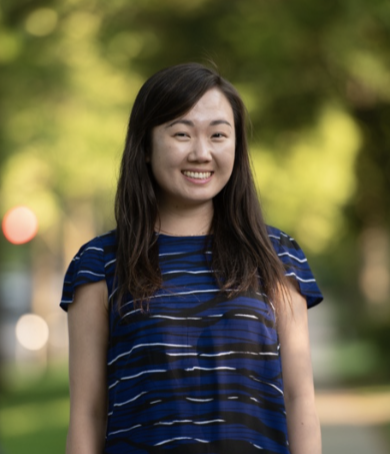
Diane J.
Diane studied history at Yale College, focusing on the acceptance of western medicine in East Asia. After working at a boutique consulting firm in New York, she went on to earn her MBA from the Yale School of Management.
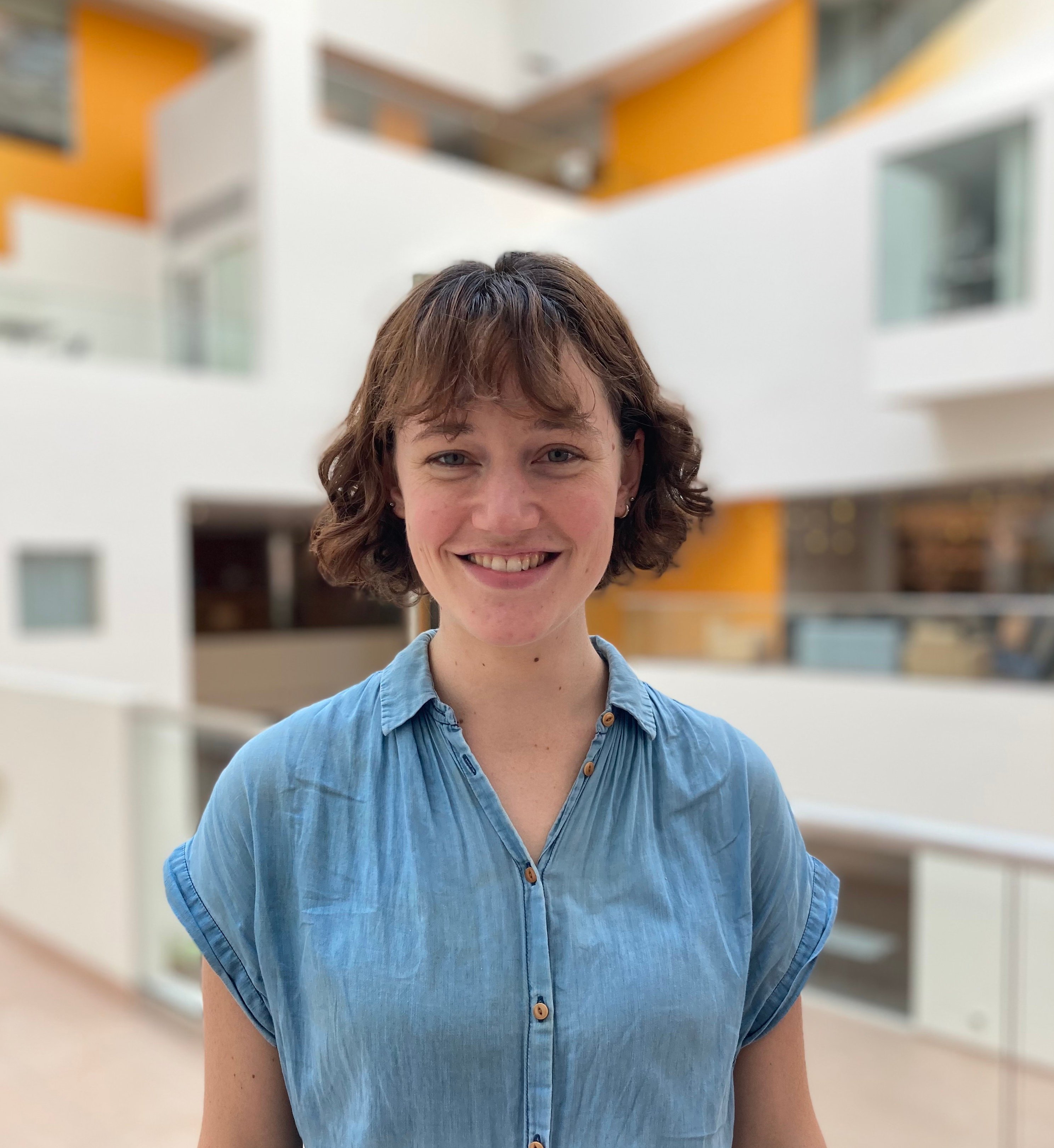
Alena
Alena studied electrical engineering at Stanford. After graduation, she worked for a cybersecurity startup before spending four years at Google as a software engineer.
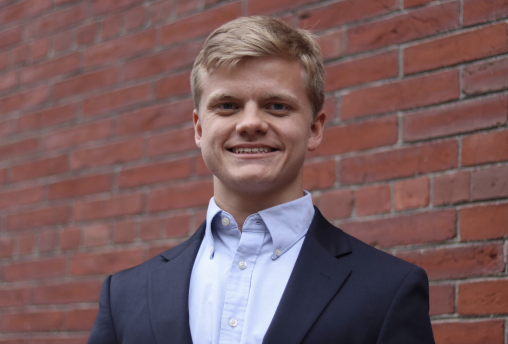
Jack S.
Jack graduated from Harvard College with a degree in Government. He completed coursework for an MPhil in Political and Economic Sociology at the University of Cambridge, which he attended as the Lionel de Jersey Harvard Scholar. Jack is also a graduate of the Marine Corps Officer Candidates School.
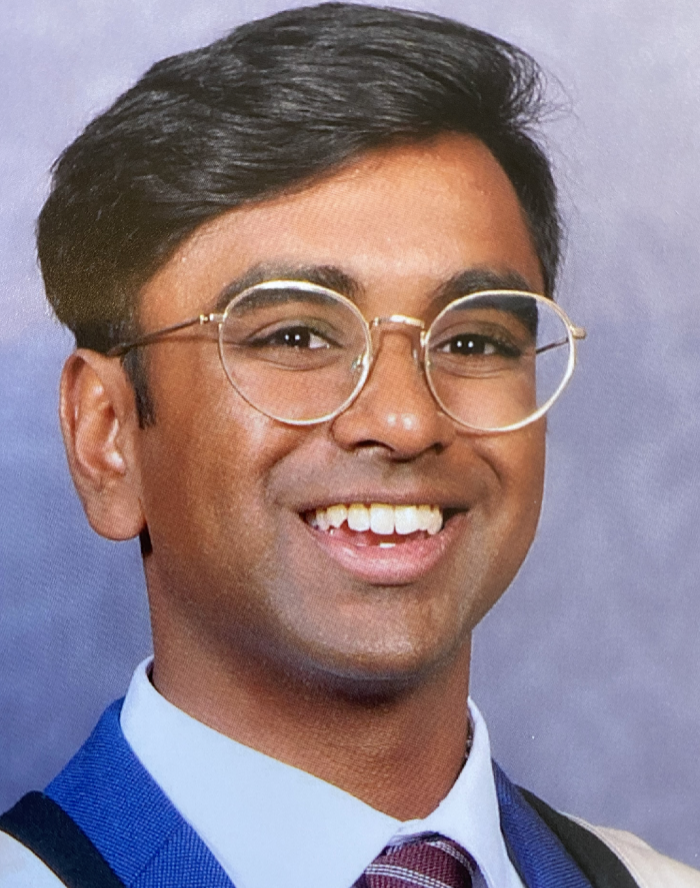
Anupam
Anupam graduated at the top of his law school at King’s College London with First Class Honors. Since graduating from King’s, he has worked as a Growth Lead in the tech, finance, and film industries. He is now beginning an MPhil in Economics at the University of Cambridge.
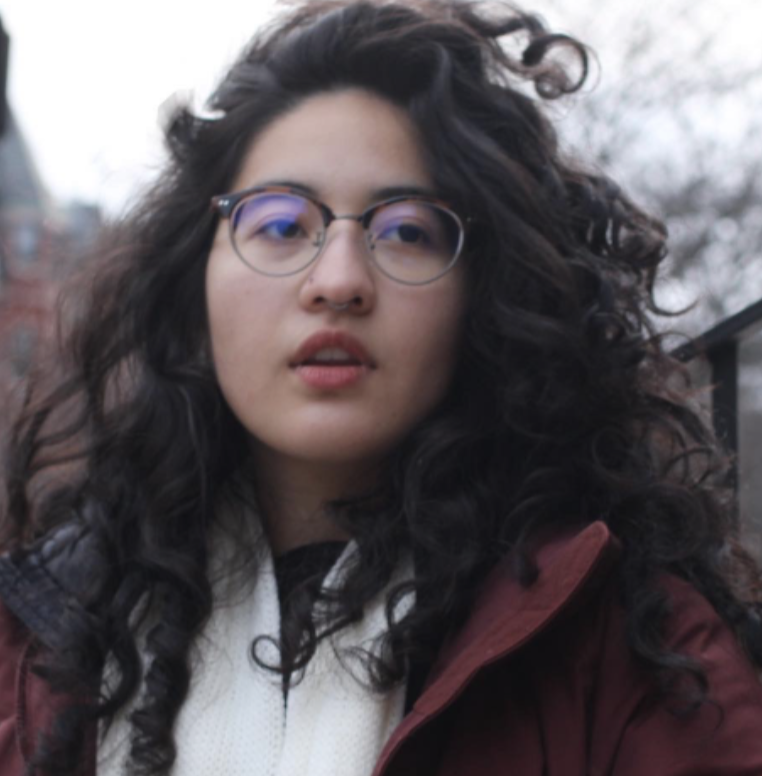
Denisse
Denisse graduated from Harvard College with a BA in Physics. After her gap year, she will start a PhD in MIT's Nuclear Science and Engineering Department.
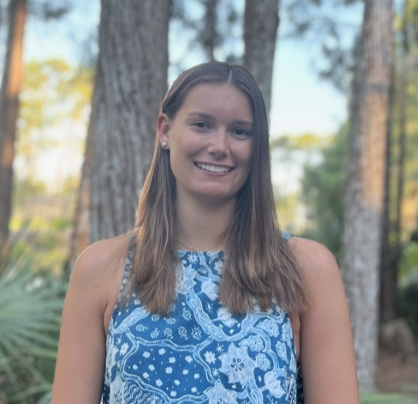
Claire H.
Claire holds a BA in Molecular and Cellular Biology from Bowdoin College. After working in a pediatric oncology research lab at Dana-Farber Cancer Institute/Harvard Medical School, she is now pursuing a PhD in Biomedical Science at the University of California San Francisco.
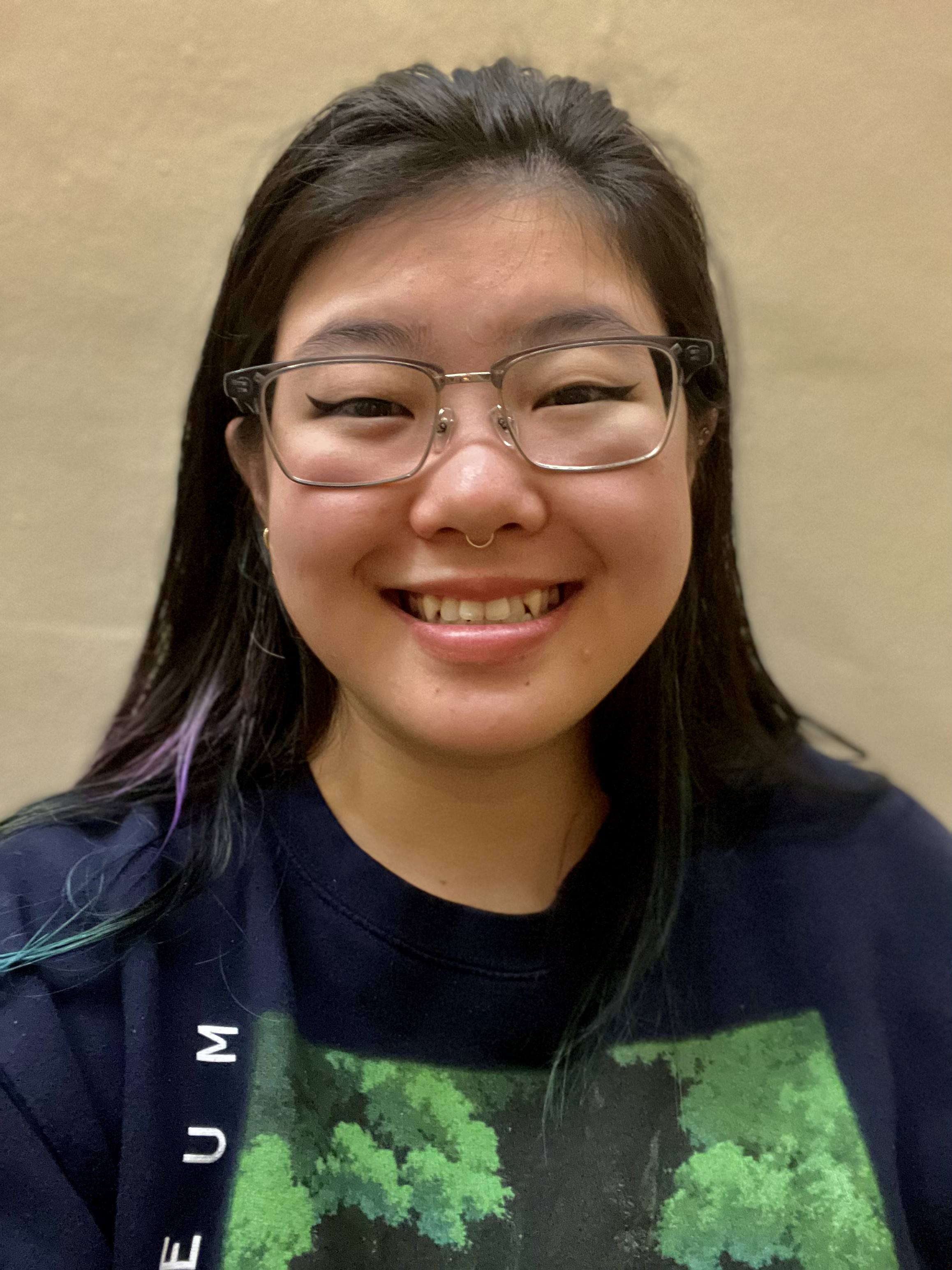
Alex H.
Alex is currently pursuing a PhD in Inorganic Chemistry at MIT. She previously earned her BS in Chemistry at CalTech, where she was recognized with the Merck Index Award.
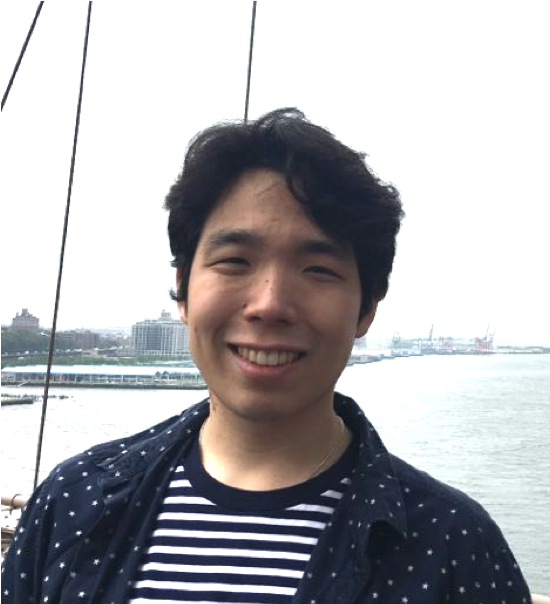
Michael Ki.
Michael is a PhD Candidate in Neuroscience and Genomics at Harvard University. His current focus is on developing cutting-edge research technologies for fellow scientists.
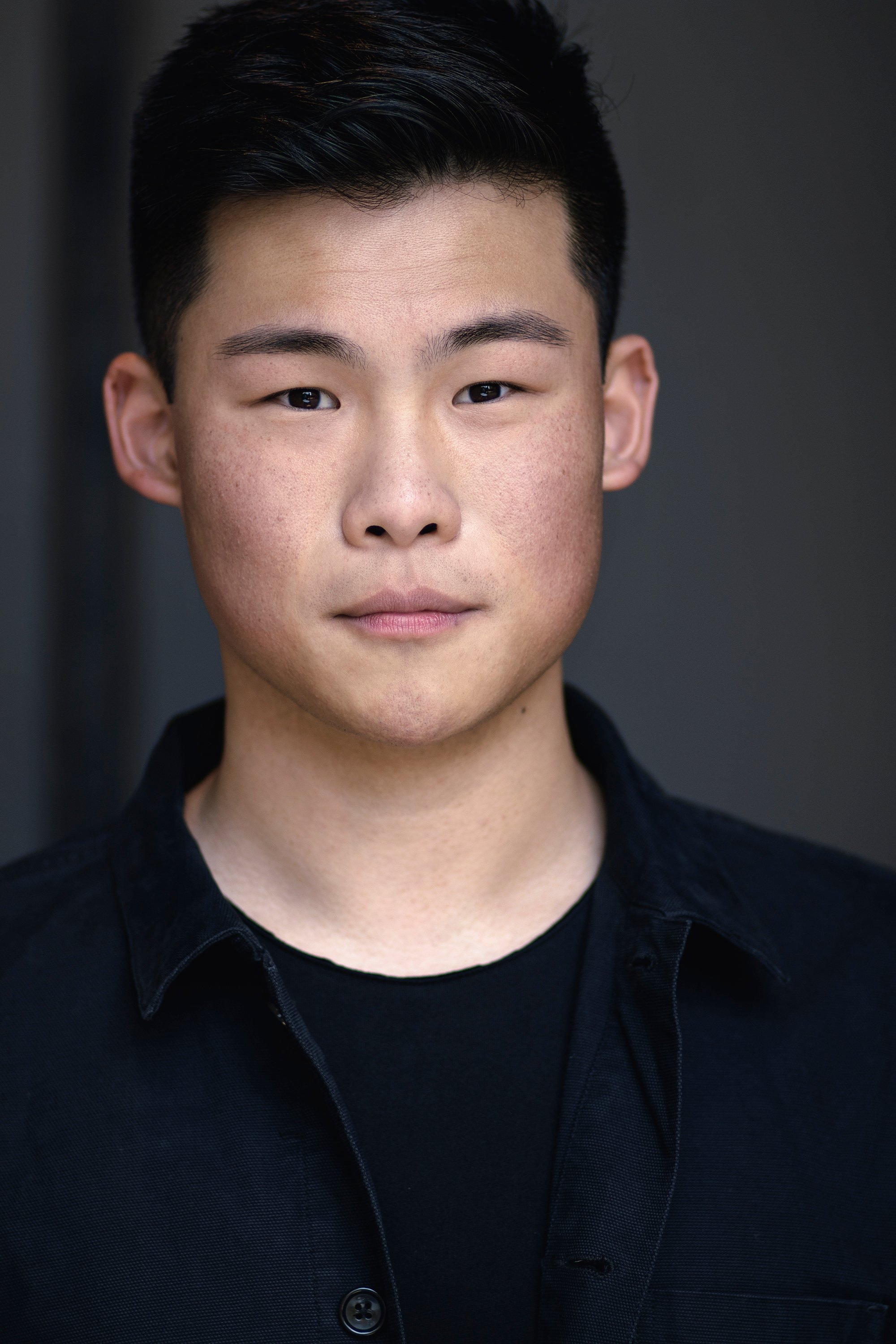
Jesse
Jesse holds a BA in History from Columbia, where he was a Navab Fellow, Solomon & Seymour Fisher Civil Liberties Fellow, and Benjamin F. and Bernice Block Scholar. He is currently pursuing an MFA in Theatre Acting at Columbia.
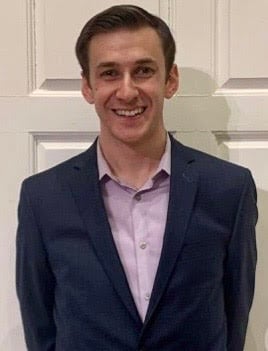
Torrin
Torrin triple majored at Oberlin College in Music Composition, Horn Performance, and Mathematics. He holds a Master's from the Manhattan School of Music and is currently pursuing an additional Master's degree from the Yale School of Music.
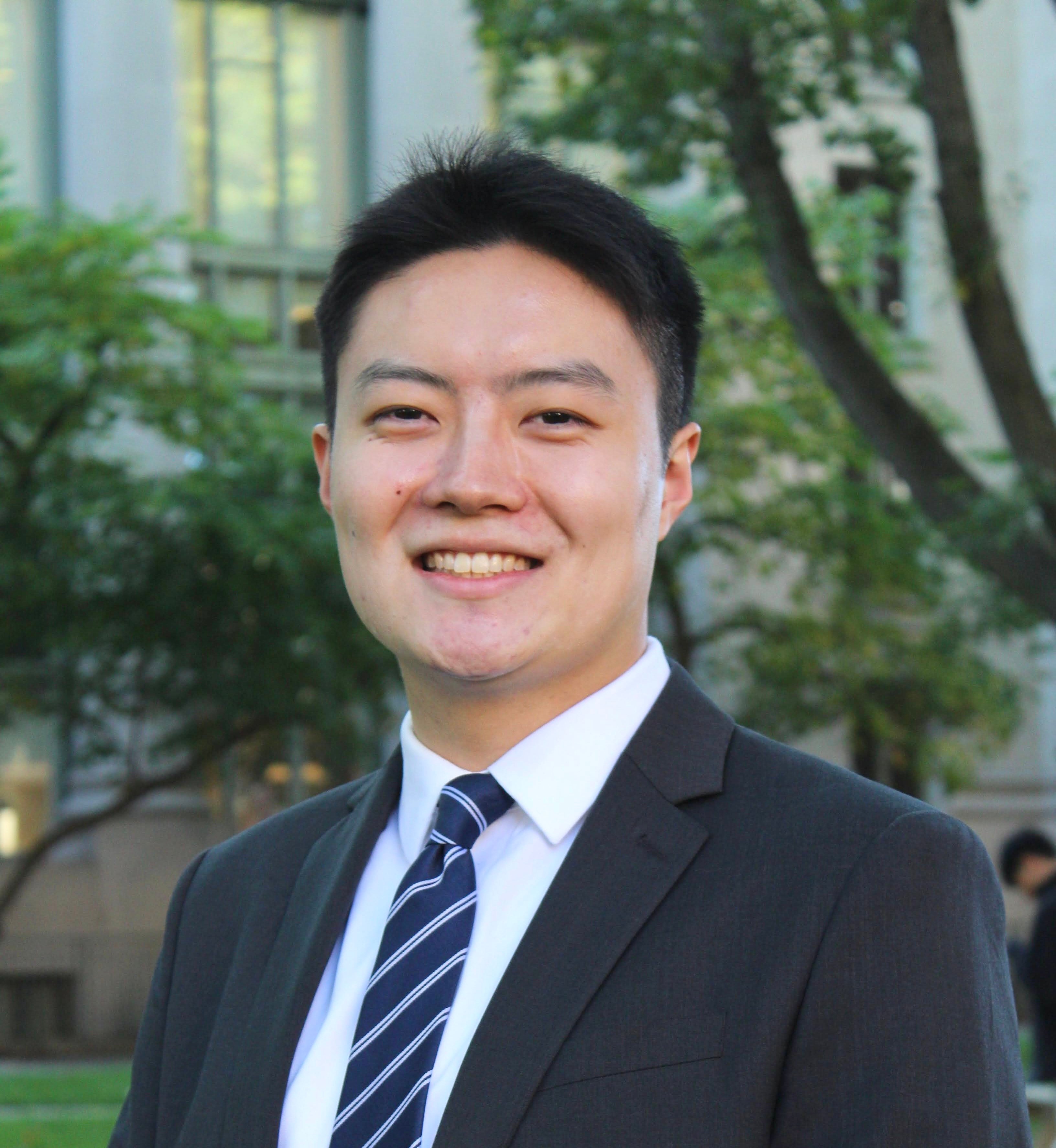
Leon
Leon graduated magna cum laude and Phi Beta Kappa from Harvard College. He is currently pursuing his JD at Harvard Law School, where he serves as Treasurer of the Harvard Association of Law and Business and the pre-law Resident Tutor of Mather House.
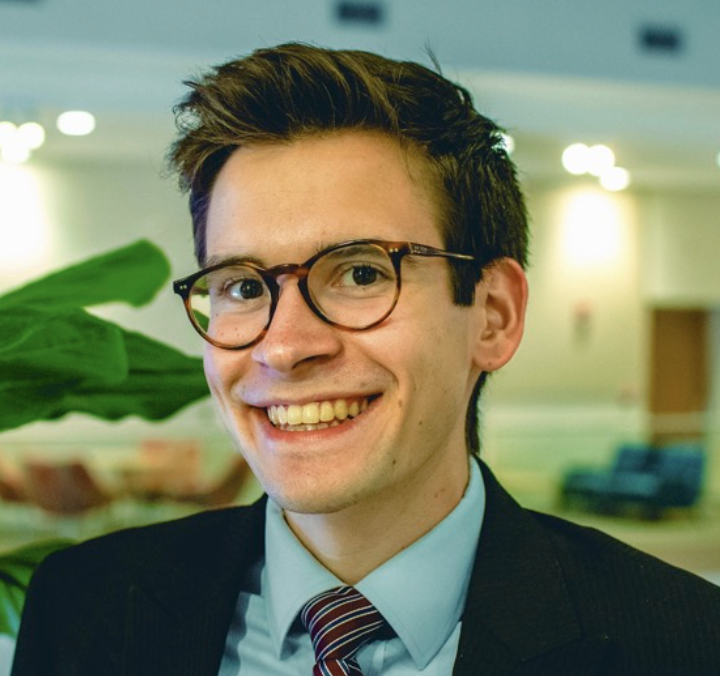
Tom S.
Tom earned master’s degrees in economics and statistics from the London School of Economics and the University of Oxford. Previously, he completed four undergraduate degrees in mathematics, economics, statistics, and philosophy at Indiana University.
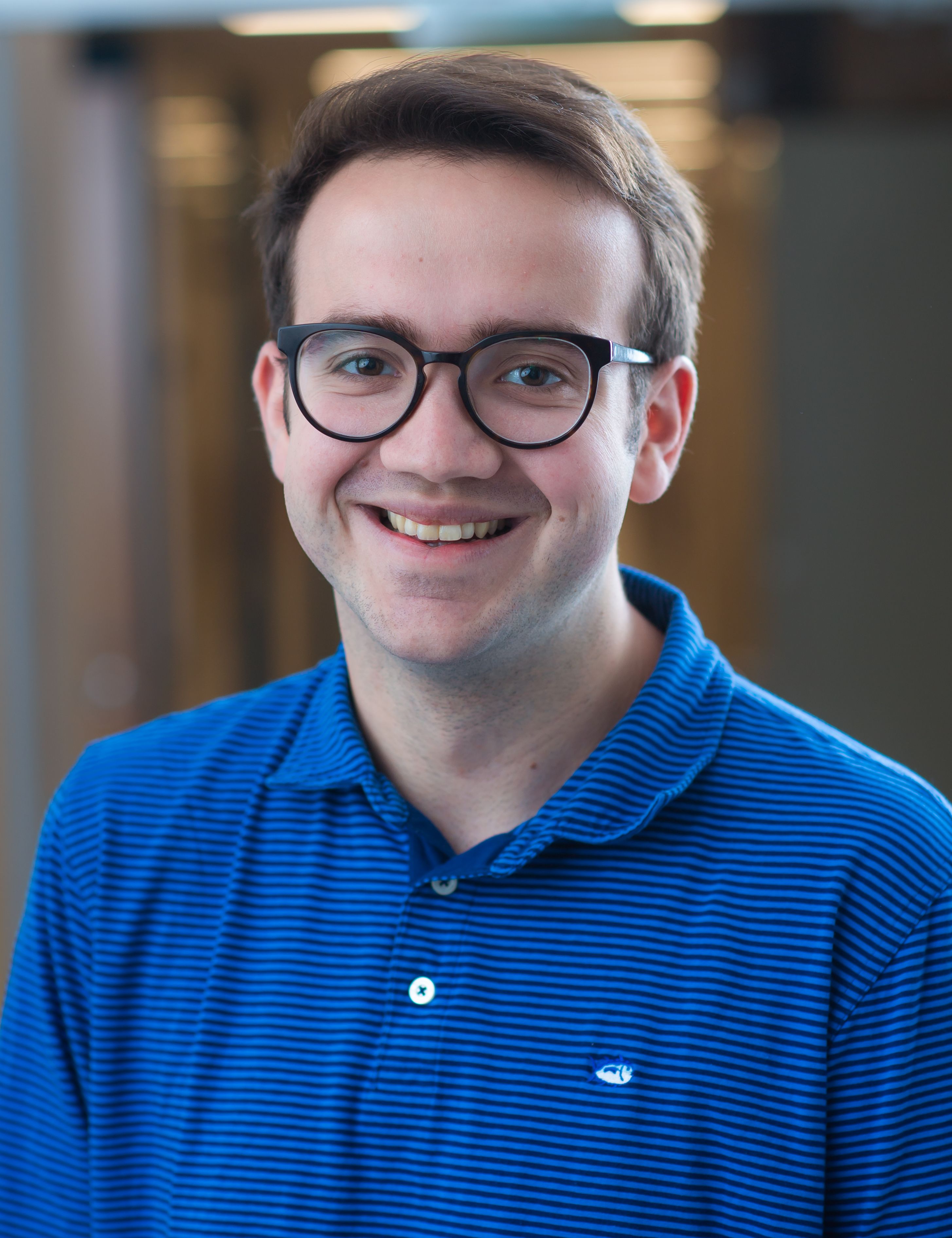
Liam T.
Liam graduated from the University of Pennsylvania summa cum laude with three majors in Physics, Biophysics, and Biochemistry. After obtaining a Master’s degree in Physics, he is now a PhD Candidate in Biophysics at Harvard University.
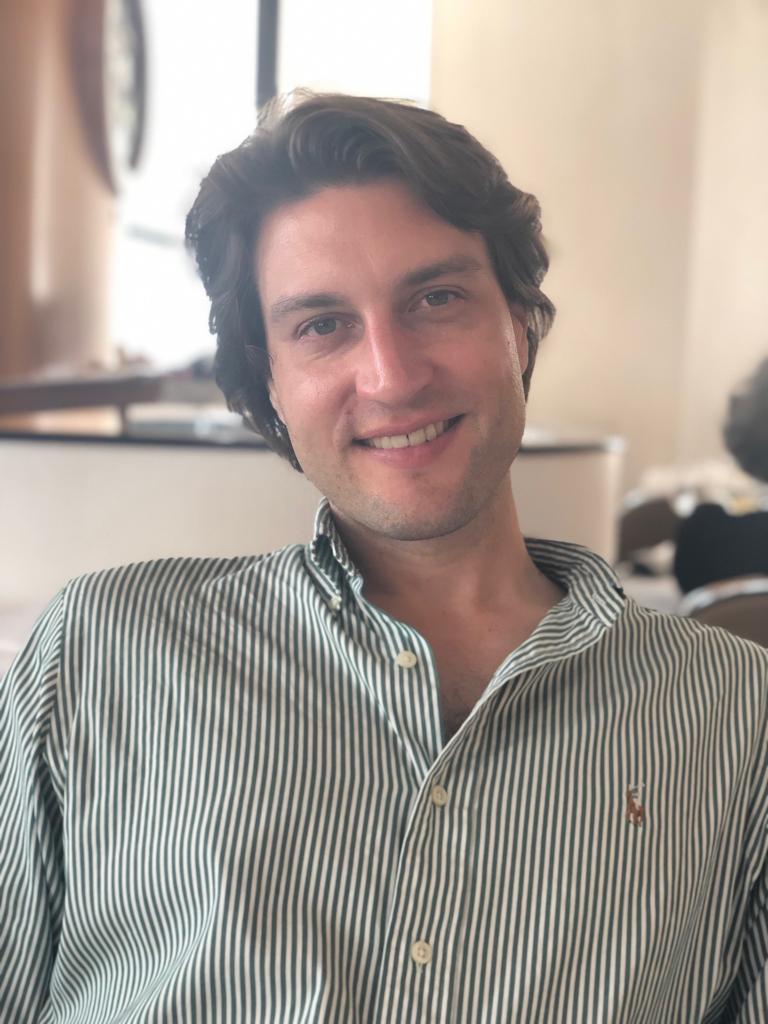
Albert A.
Albert holds an MPhil in Economics from Oxford, an MFA in Fiction from NYU, and a PhD, focused on the theory of comedy, from the University of New South Wales. He is a published novelist and a playwright.
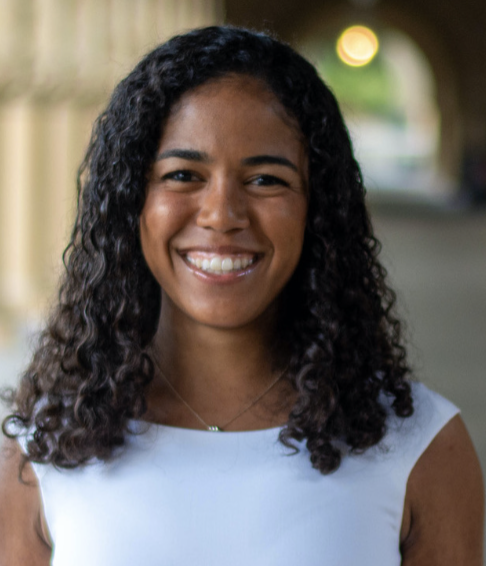
Erica S.
Erica attended Stanford University, where she majored in International Relations and double minored in Economics and Modern Languages (French and Arabic). As a Marshall Scholar, she completed an MA in Middle Eastern Studies at SOAS University of London and an MA in Conflict Resolution at King’s College London.
Hanil
Han graduated summa cum laude with highest honors from Brandeis University, earning a BS in Neuroscience and Biology. He's presently an MD candidate at Tufts University.
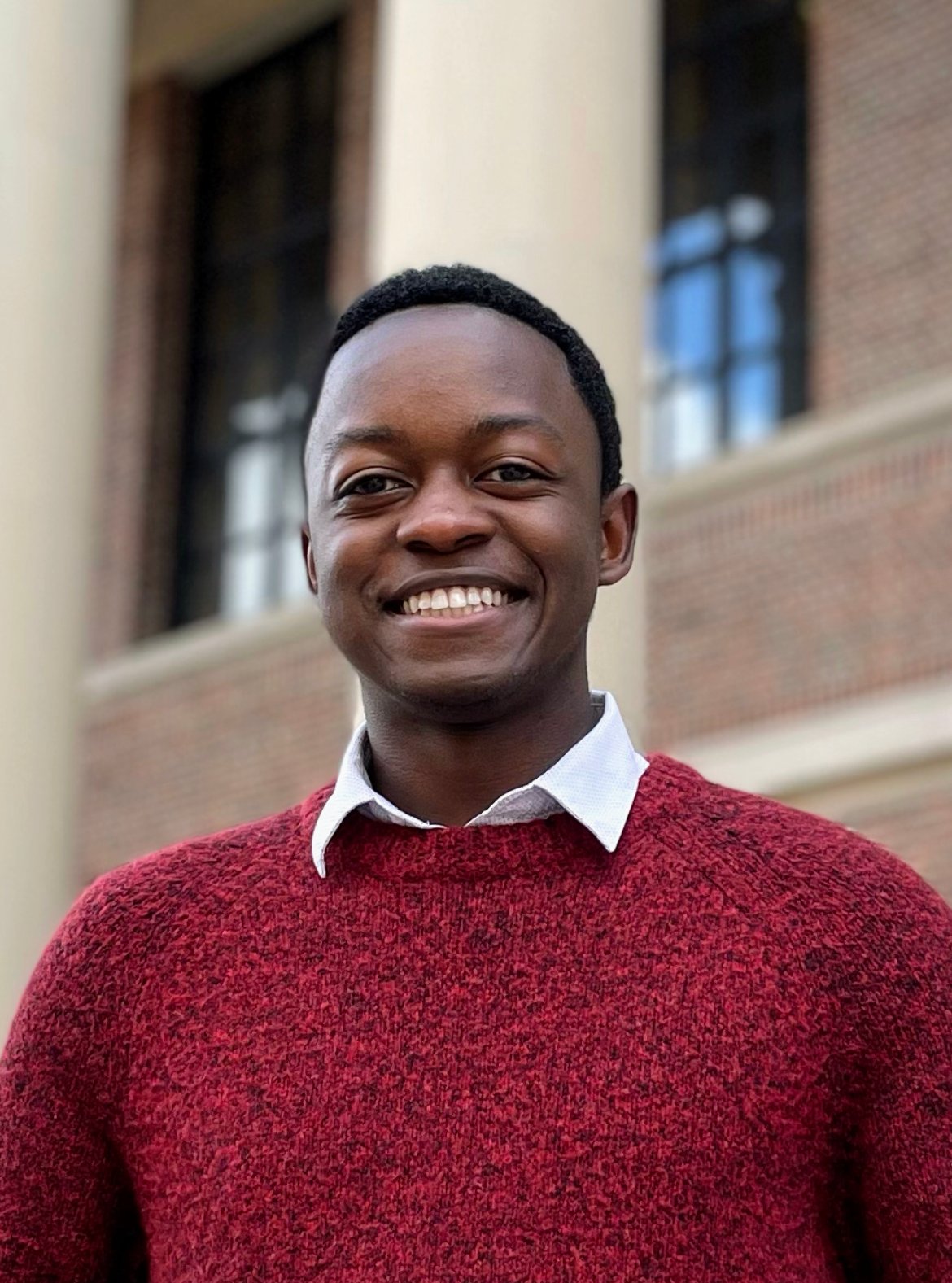
Eric J.
Eric attended Harvard, concentrating in Environmental Science & Engineering with a Government secondary (cum laude). He is now a JD Candidate at Yale Law School, where he focuses on Energy & Environmental Law, Tax, and Data Privacy.
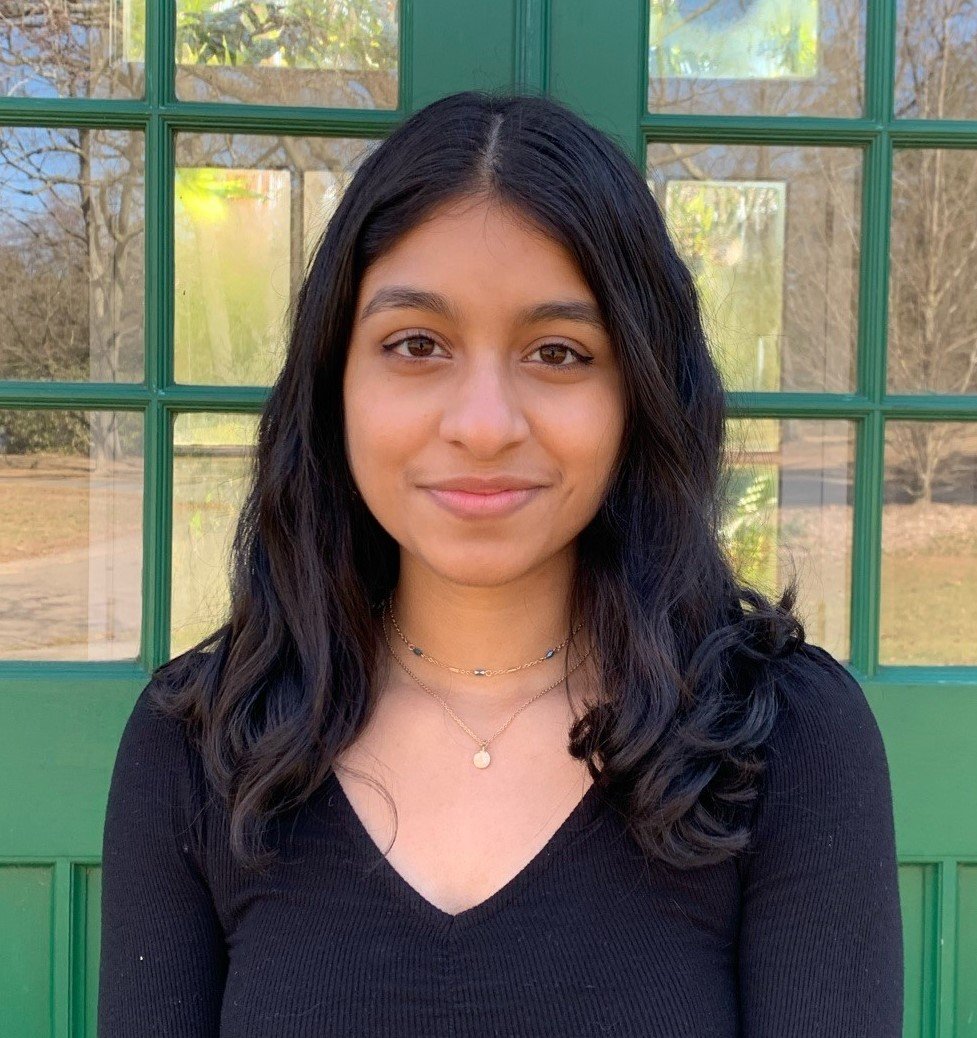
Aarthi
Aarthi attended Yale University, graduating magna cum laude with a BS and MS in Molecular Biophysics and Biochemistry. She is currently pursuing her MD in the joint Harvard-MIT Health Sciences and Technology Program.
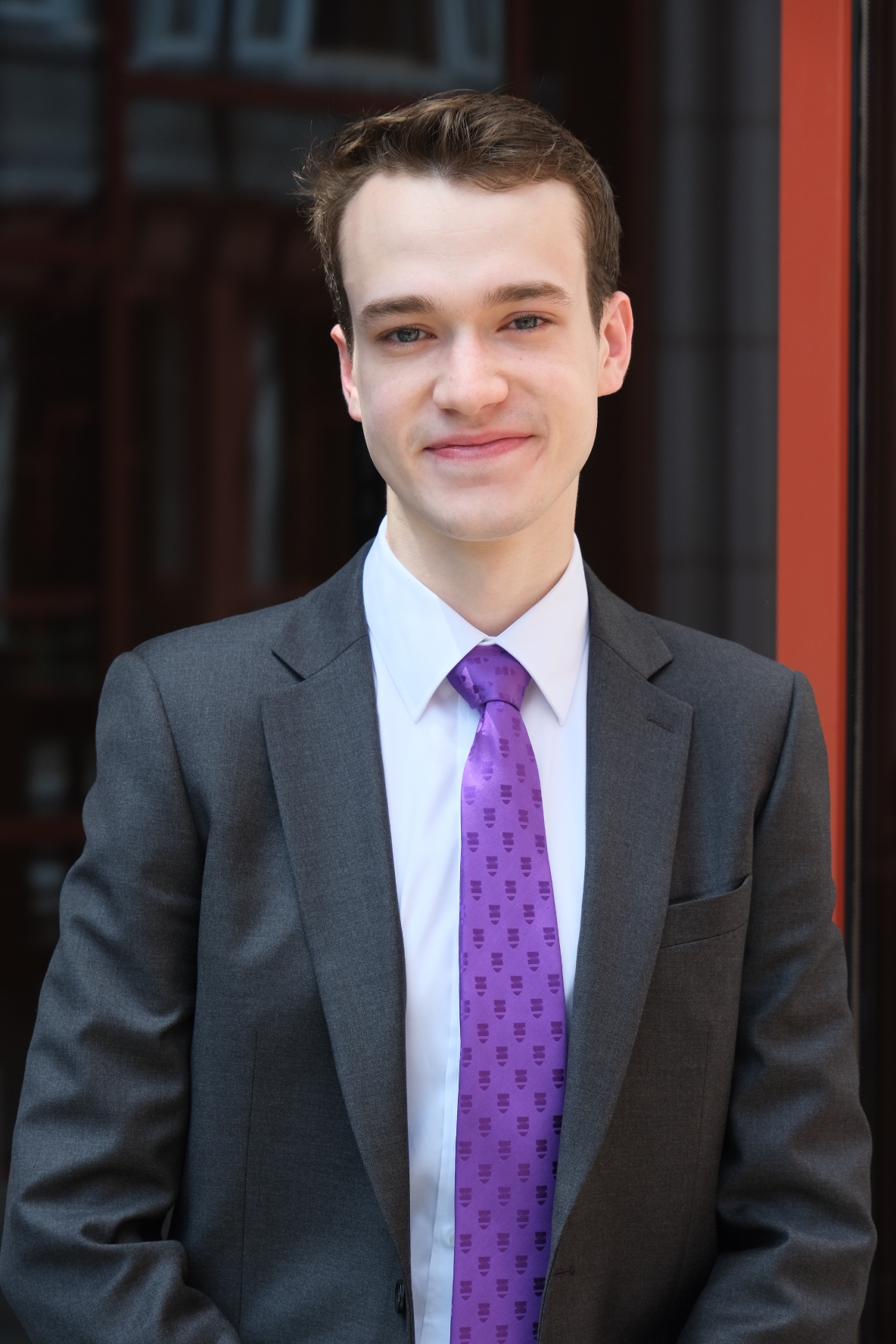
Nick Ma.
Nick graduated Phi Beta Kappa with a perfect 4.0 GPA from Harvard College. After graduating from Harvard, he attended Tsinghua University as a Schwarzman Scholar, earning a Master’s in Global Affairs. Now, he is a student at the University of Oxford, reading for a Master’s in Criminal Justice and Criminology.
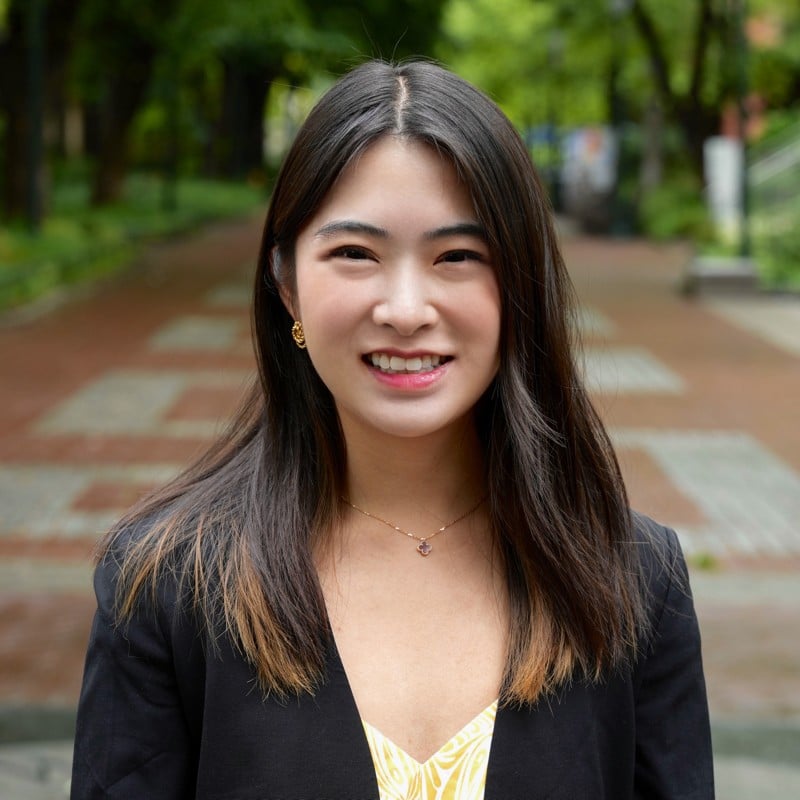
Amy Y.
Amy attended Dartmouth, where she graduated summa cum laude with a double major in Economics and Psychology. She is currently pursuing a dual MBA-MPA degree at the Wharton School and Harvard Kennedy School
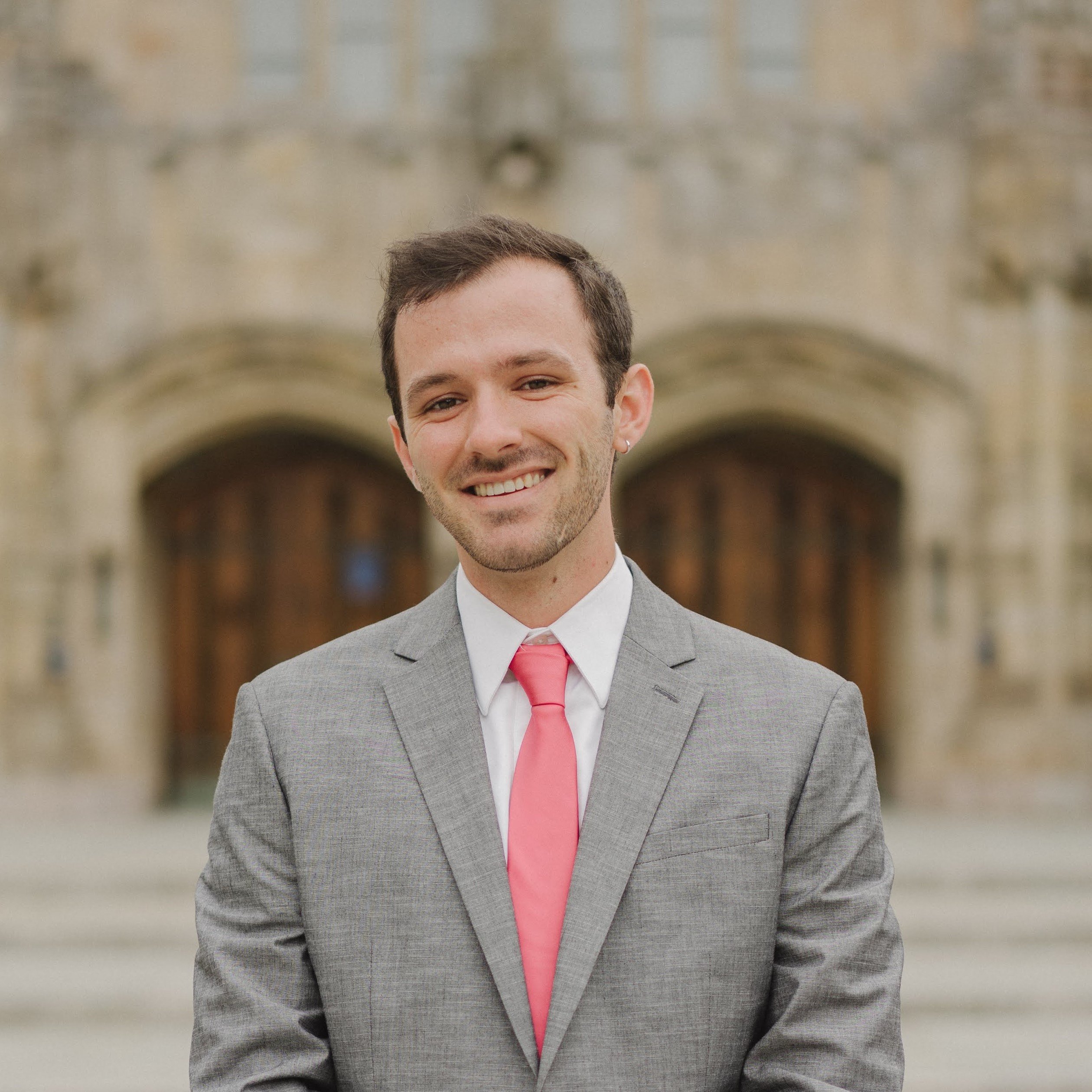
Jackson C.
Jack studied Physics and Philosophy at Yale, graduating with distinction in the major, magna cum laude, and as a member of Phi Beta Kappa honor society. He now works in a photonics lab in New York City.
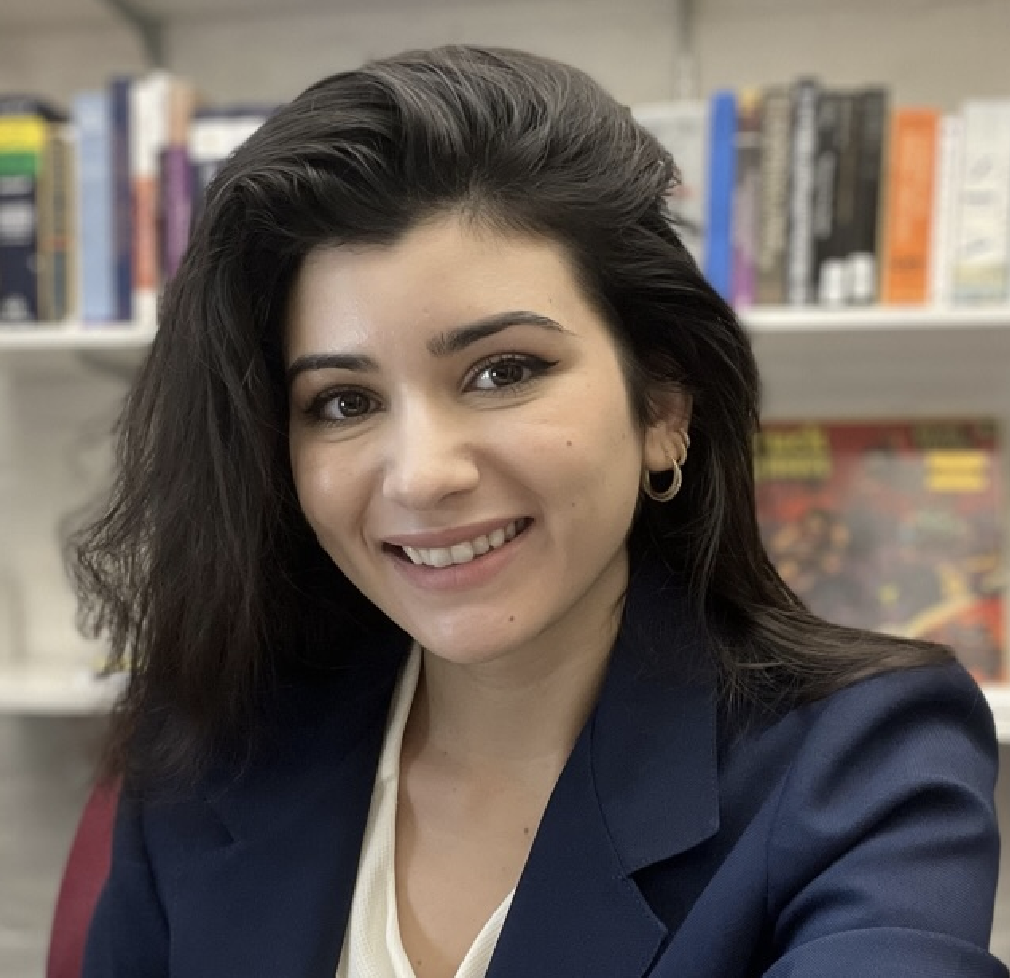
Maryam
Maryam graduated summa cum laude with a BA in History and a Minor in Arabic from Princeton. After her Master’s in Early Modern European History at Oxford, she went on to pursue her PhD in in History and Middle Eastern Studies at Harvard.
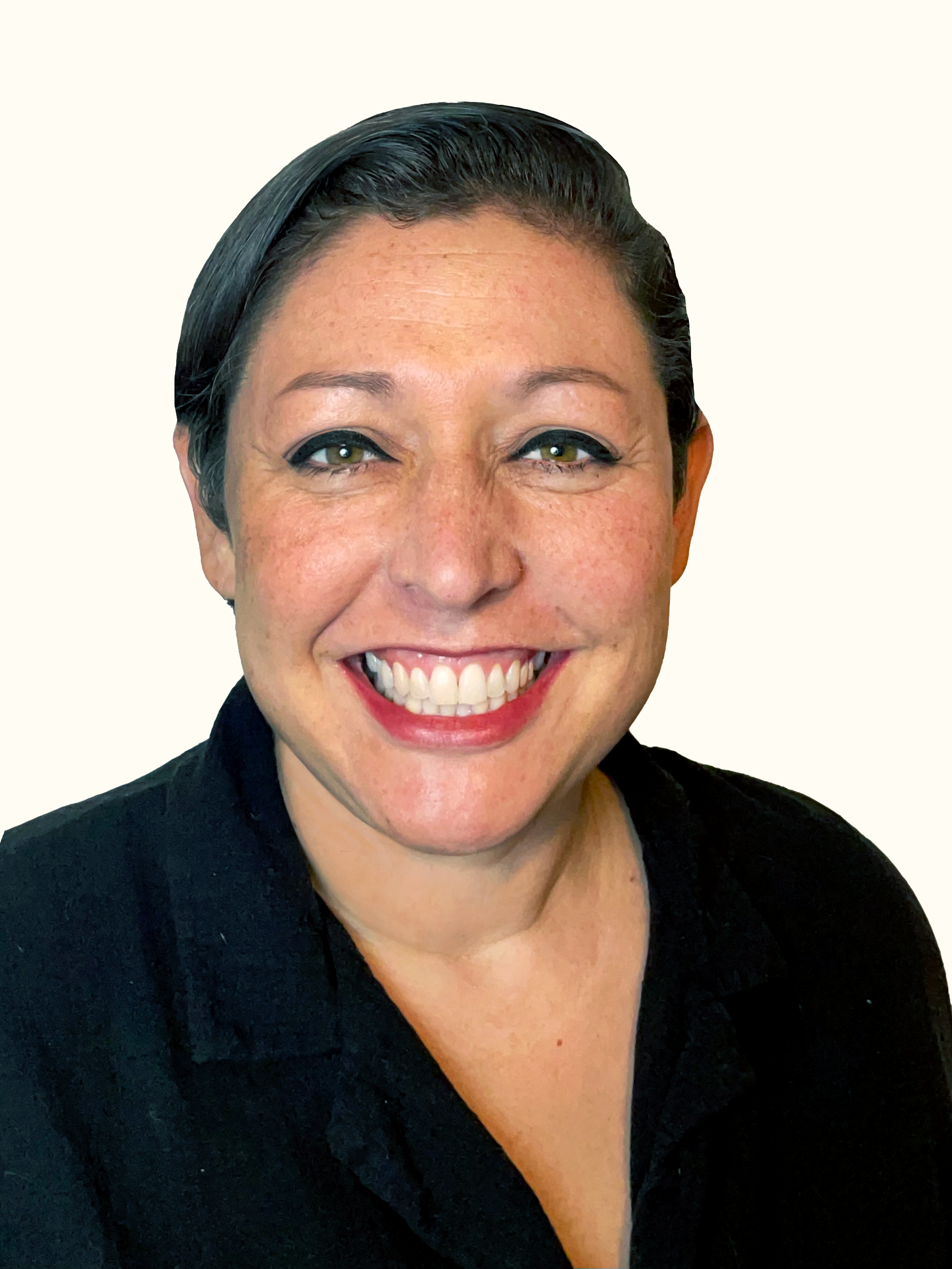
Beth G.
Beth earned her BA in Human Biology and MA in Education from Stanford University. She is now in the PhD program in Animal Biology at UC Davis, where she studies the proteins involved in sperm-egg fusion.
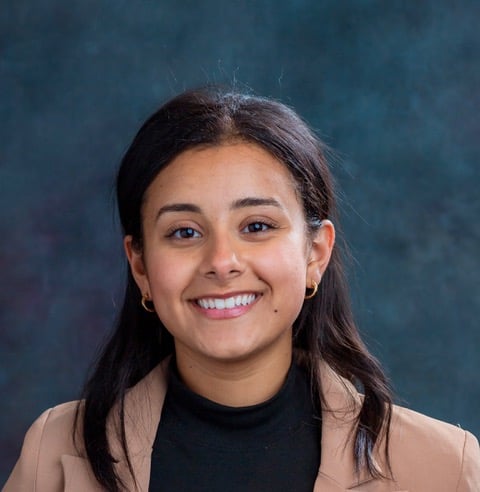
Mary M.
Mary accepted a full-ride scholarship to the University of Pittsburgh, where she graduated summa cum laude with degrees in Biology and Spanish. She is currently pursuing her MD at Harvard Medical School, where she is learning about the expansion of global surgery.
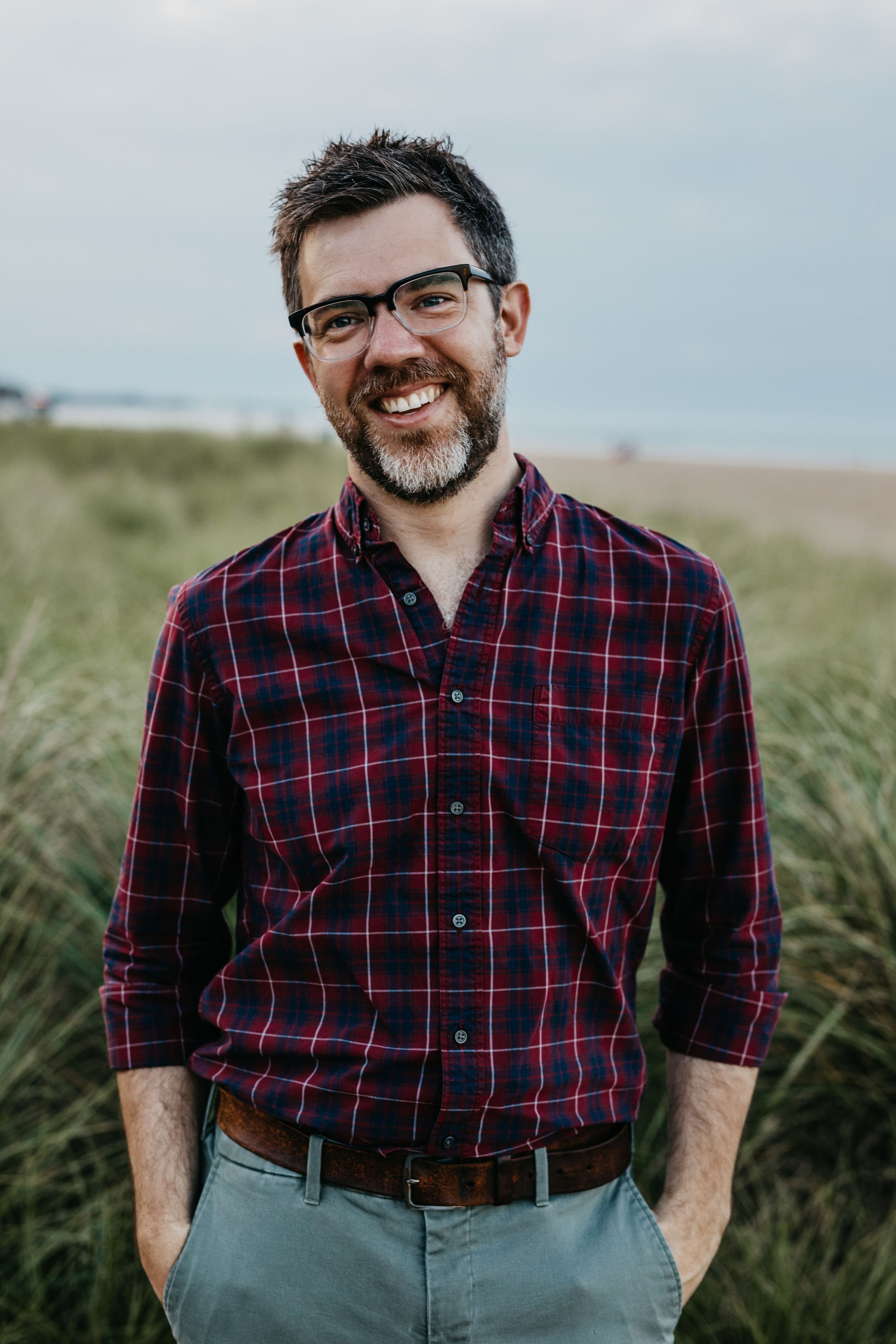
Marc
Marc is a PhD Candidate in Anthropology at the University of Chicago. Previously, he earned his MA in South Asian Studies at the University of Pennsylvania on a full merit scholarship and his BA in Philosophy at Kalamazoo College.
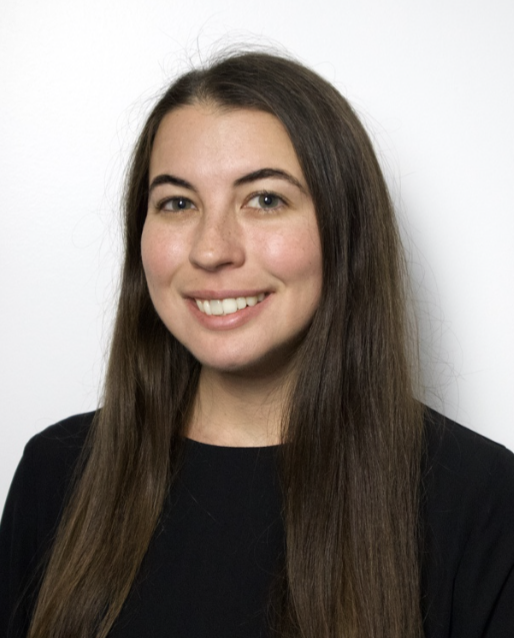
Alex L.
Alex graduated summa cum laude from Duke University. She then took a year off to pursue research and clinical work before enrolling at New York University Grossman School of Medicine. Alex is applying to residency programs in otolaryngology (ENT) and will soon be able to live out her dream of being a surgeon.
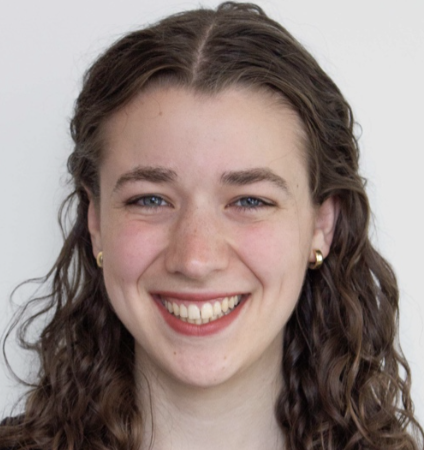
Corinne A.
Corinne is a student at Harvard Medical School in the Harvard-MIT MD-PhD program. Previously, she attended the Cleveland Institute of Music, from which she holds a degree in violin performance with minors in music history and chemistry in cooperation with Case Western Reserve University.
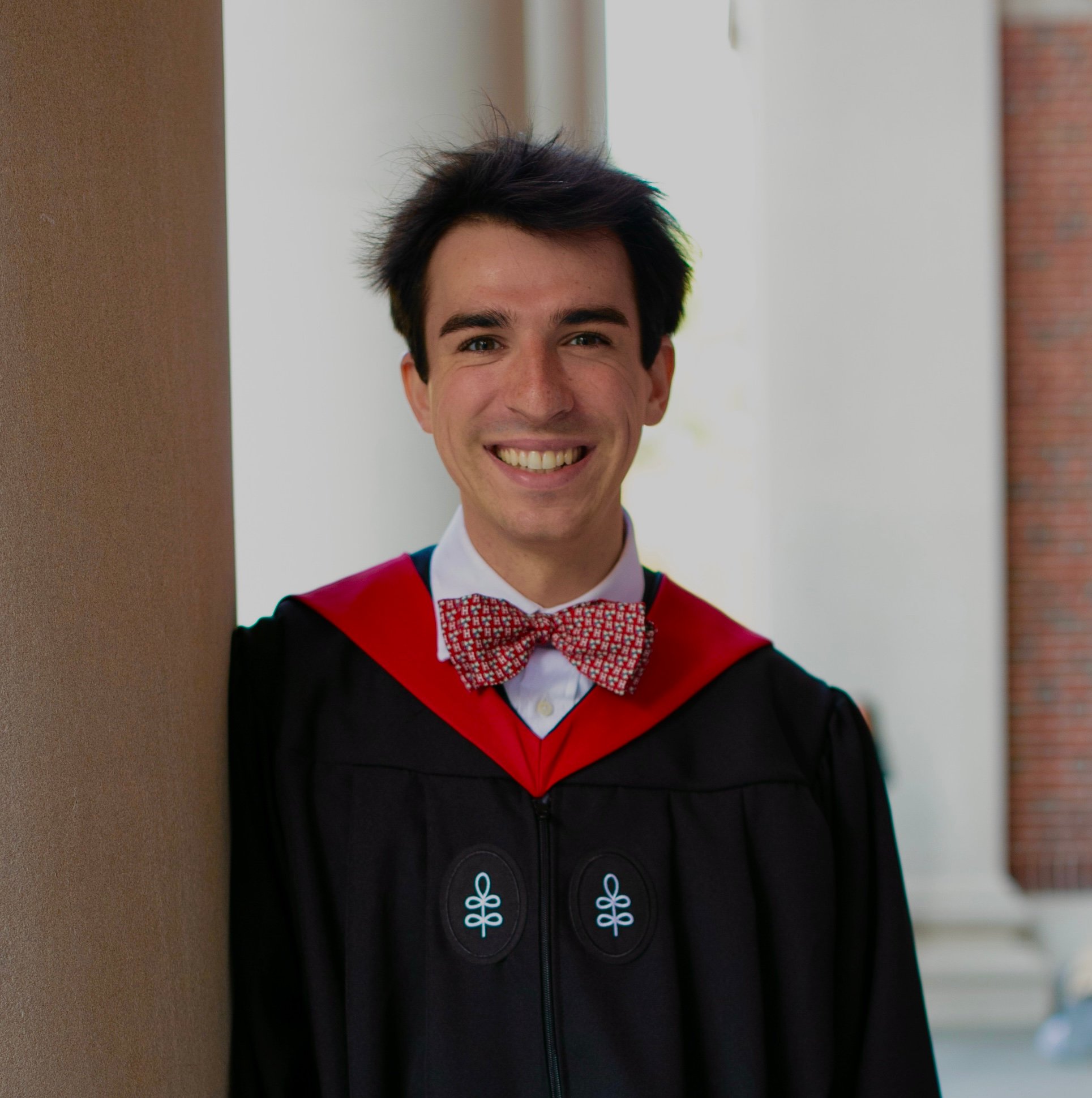
Robert
Robert holds both a BA and MA in Chemistry from Harvard University. He is currently applying to PhD programs in the field. Robert’s research experience is in synthetic organic chemistry, specifically in the field of drug design.
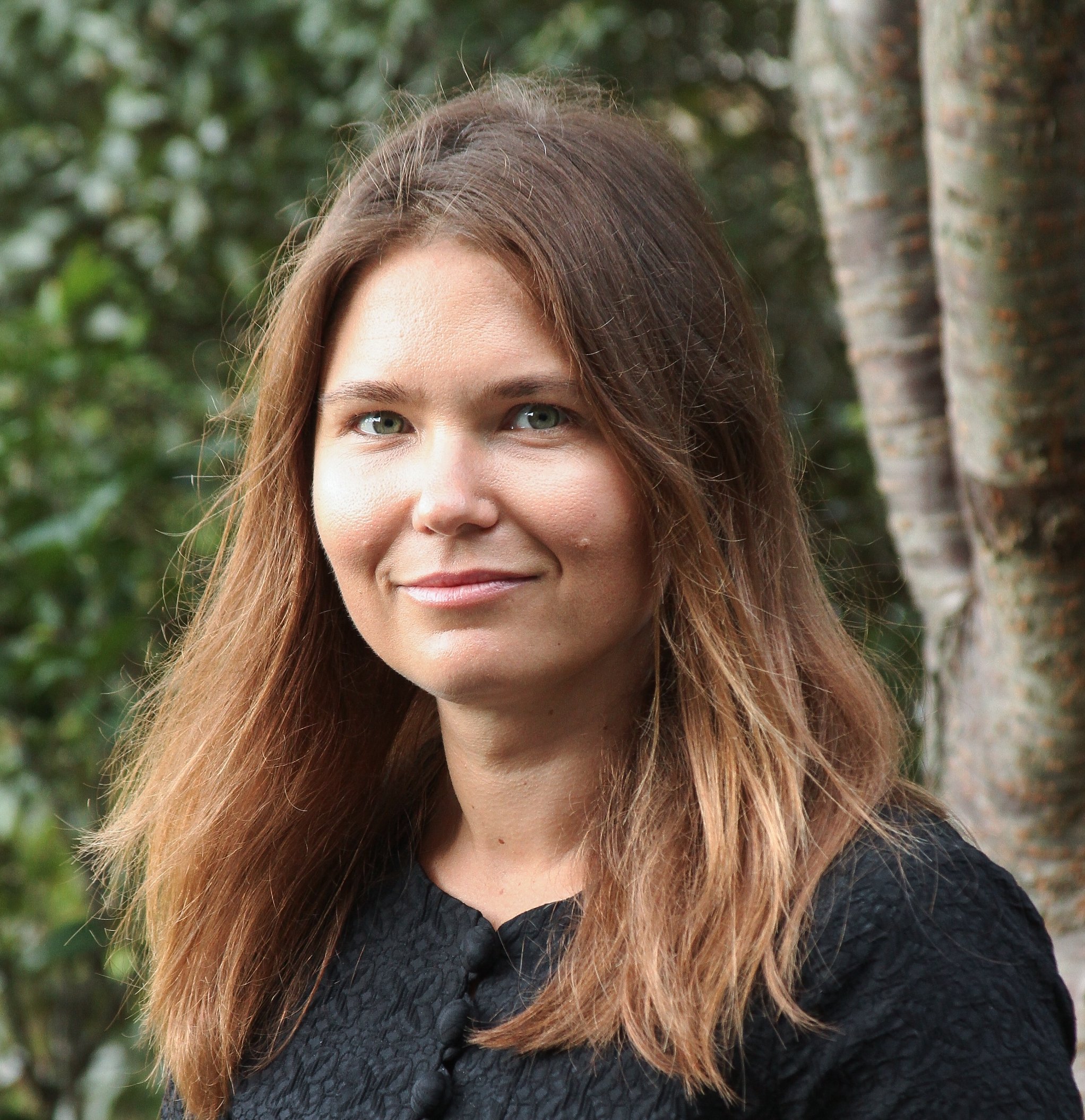
Sarah H.
Sarah pursued her interest in the western European canon by studying the Great Books program at St. John’s College in Maryland. She then went on to receive her Master’s in Comparative Literature at Columbia, where she focused on the nineteenth-century European novel.
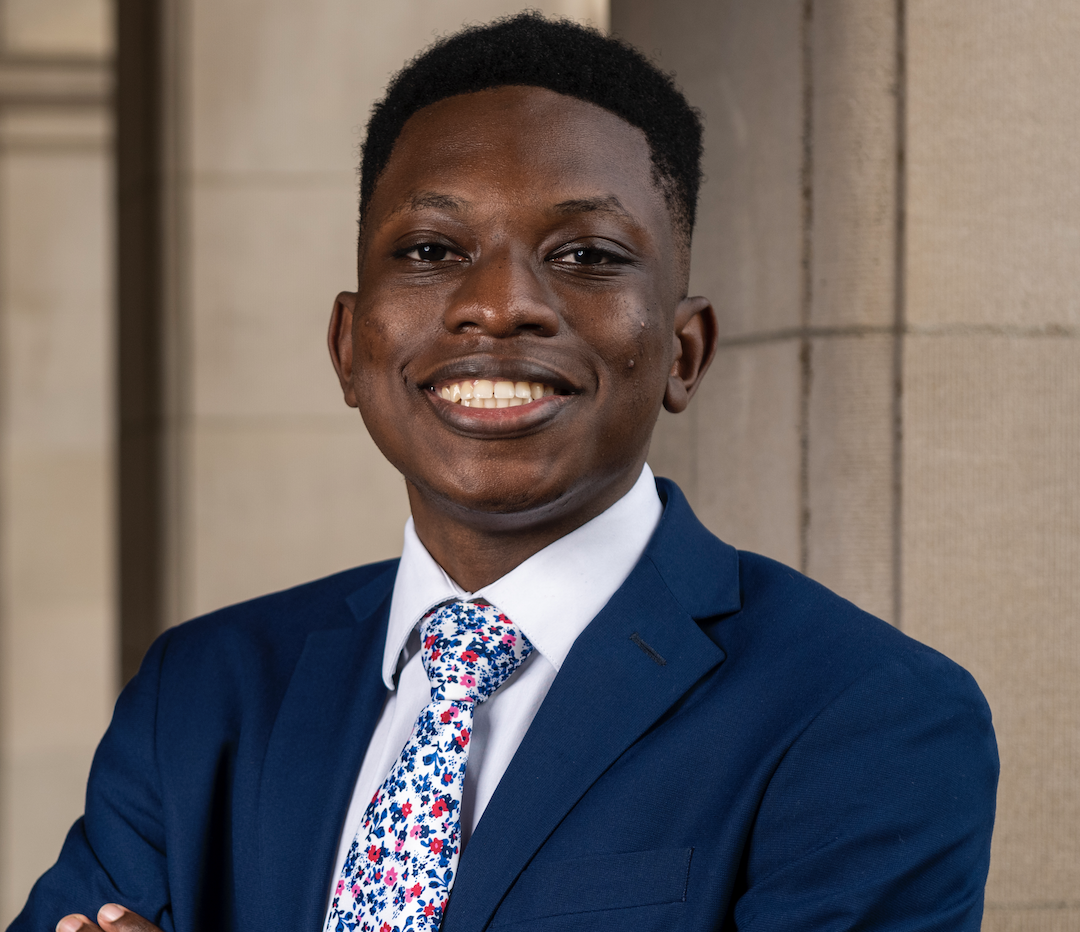
Ephraim
Ephraim graduated summa cum laude from Washington University in St. Louis, where he was selected as a Barry Goldwater Scholar, BP-ENDURE scholar, and regional finalist for the Rhodes Scholarship. He is currently an MD Candidate at Harvard Medical School.
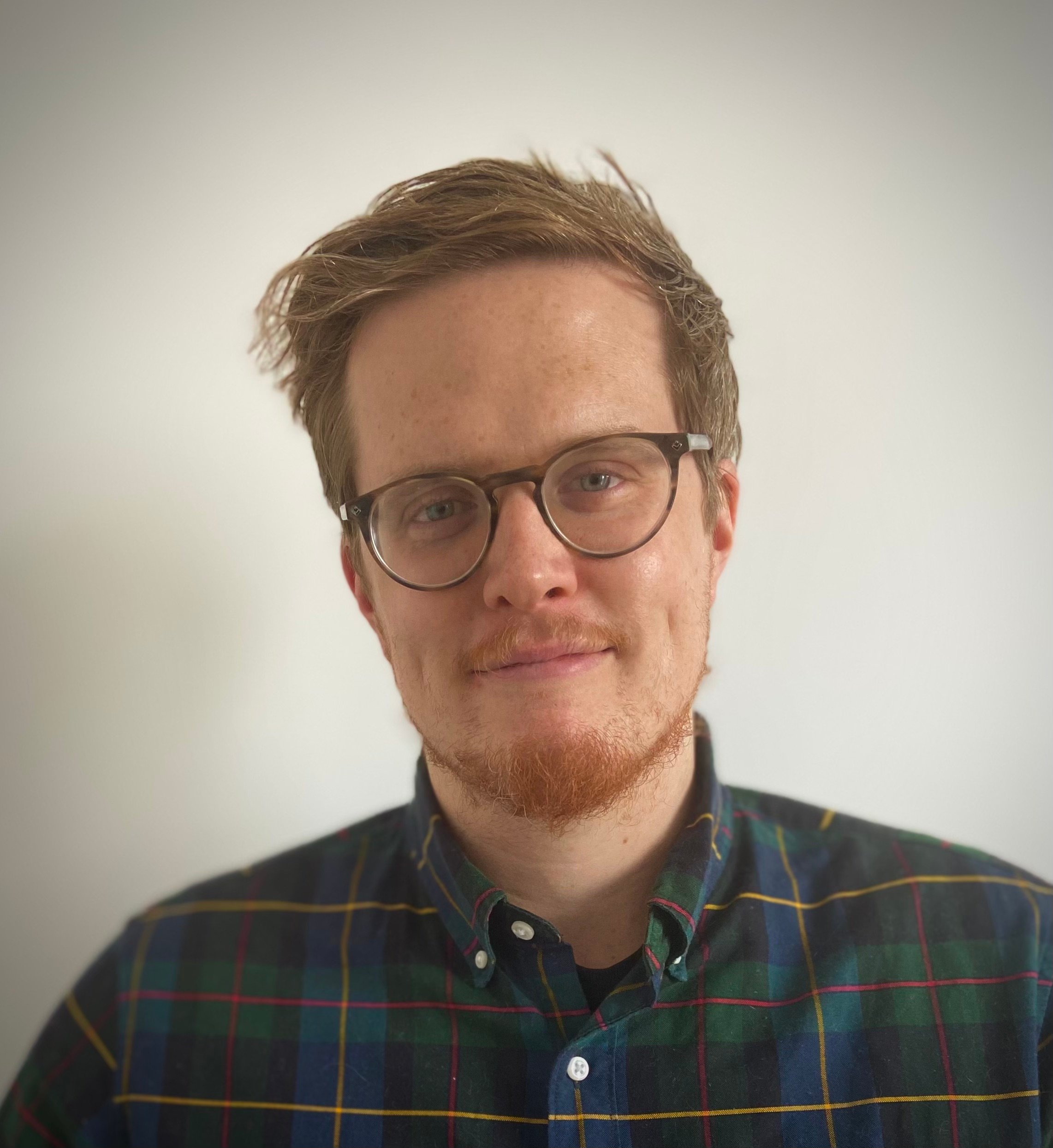
Colin M.
Colin attended New York University, where he earned a BA in French (magna cum laude) and an MA in French Studies (cum laude). He then went on to study at Brooklyn College, where he received an MSEd (Special Education - summa cum laude). He is a former middle school special education teacher and department head in the New York City school system.
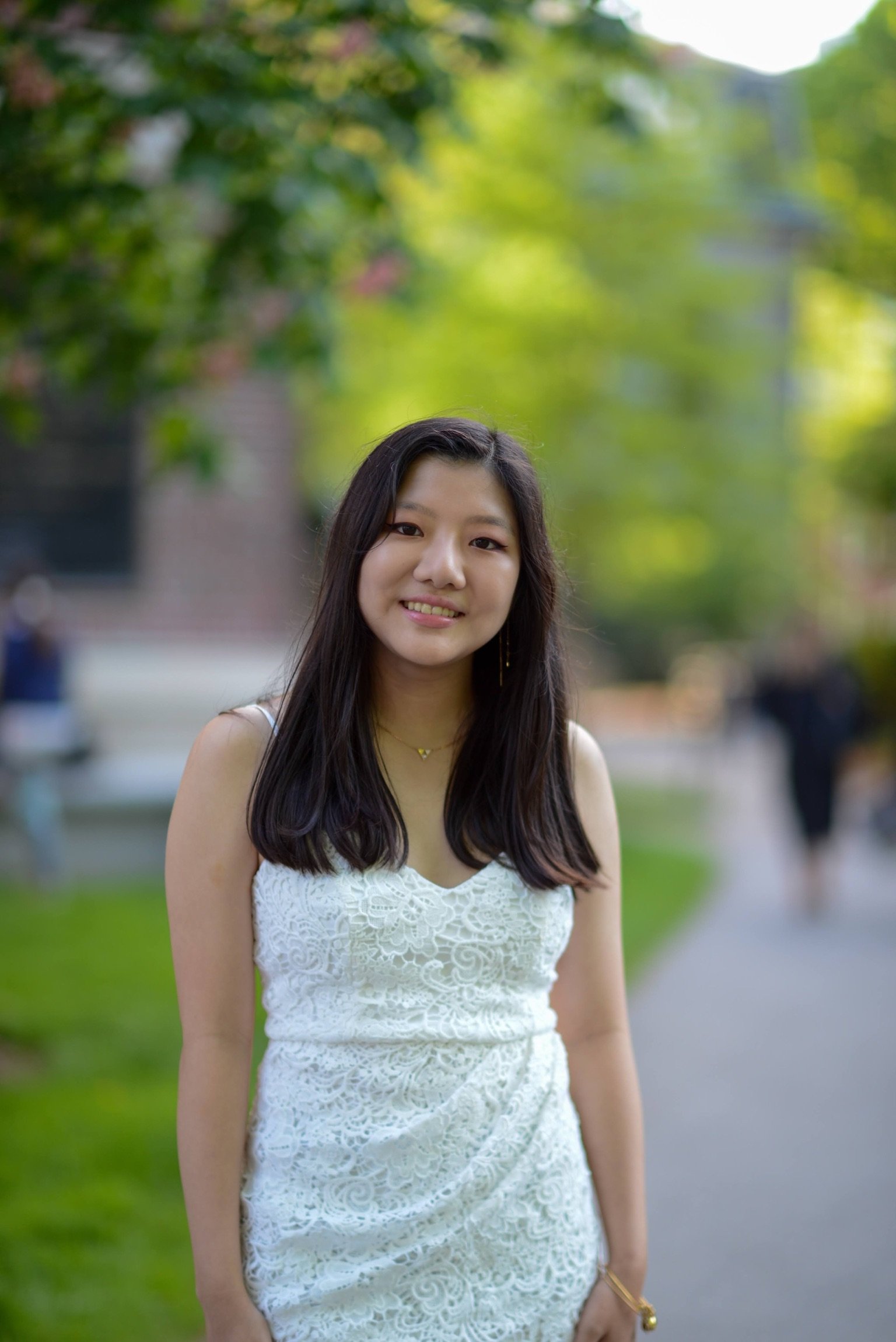
Yooni
Yooni graduated from Harvard College with a double concentration in computer science and psychology. She has interned primarily as a front-end developer intern at several companies in the past.
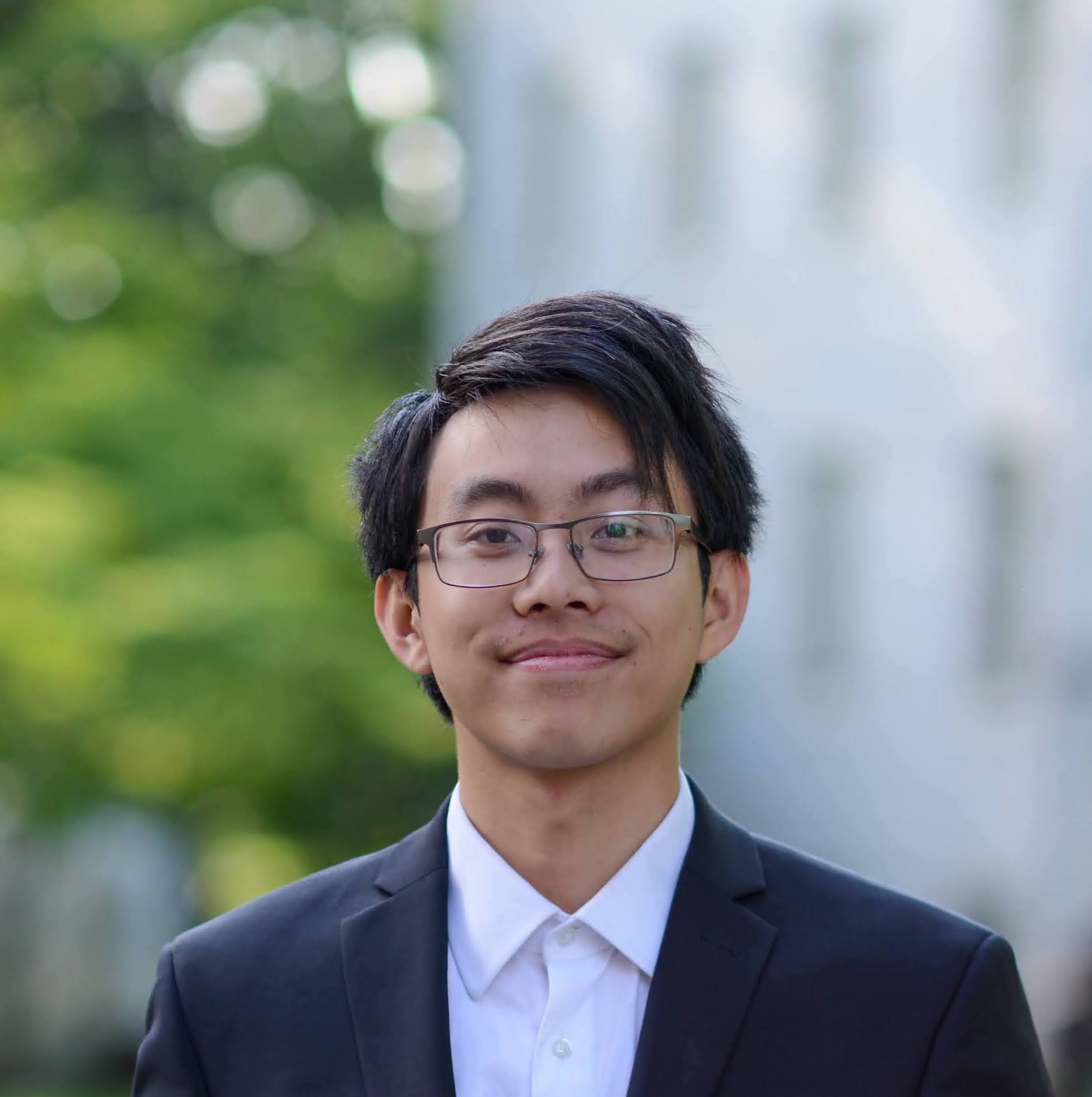
Bowen
Bowen graduated from Harvard University, magna cum laude, with a joint degree in computer science and statistics. Currently, he works as a researcher in AI for healthcare. He will start a PhD at Stanford in 2024.
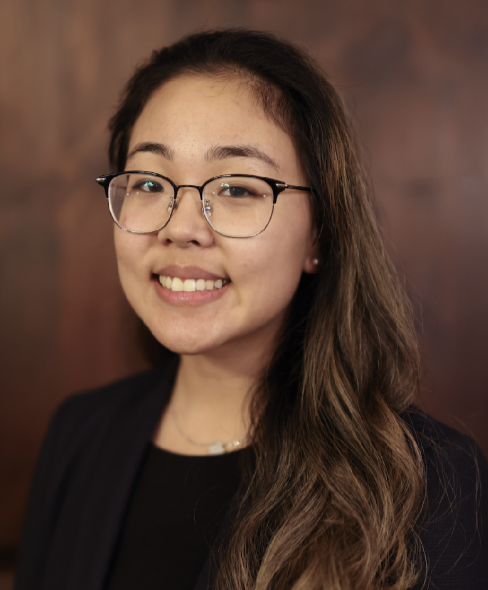
Lauren K.
Lauren is a recent graduate of Harvard College, where she graduated summa cum laude and Phi Beta Kappa with both a bachelor’s and a master’s degree in Chemistry. She is currently studying Pharmacology at the University of Oxford as a US Rhodes Scholar, and hopes to attend medical school afterwards.
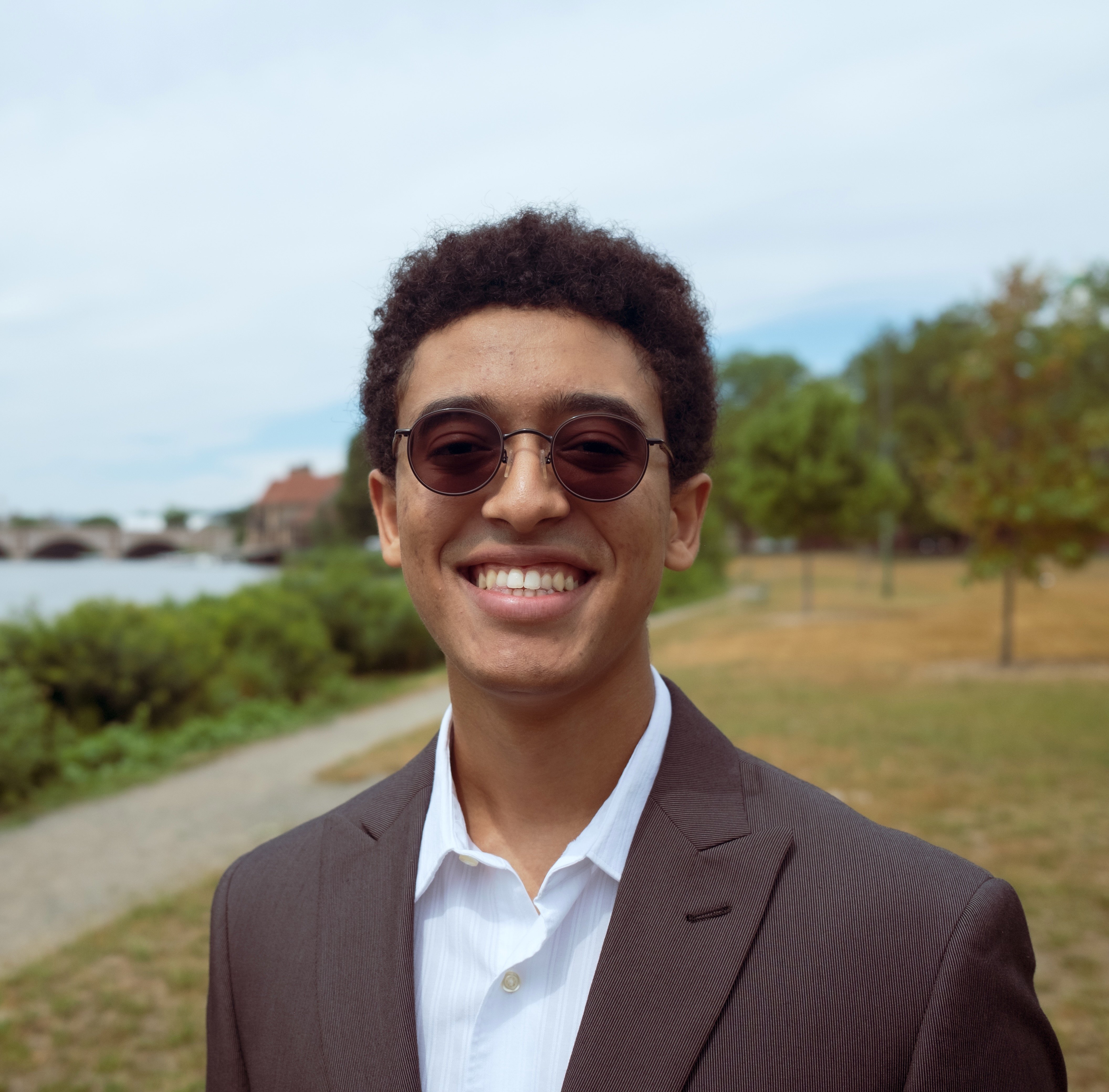
Matt Y.
Matt attended Rice University as a Trustee Distinguished Scholar, where he graduated magna cum laude with a degree in Biosciences. He is now pursuing an MD at Harvard Medical School.
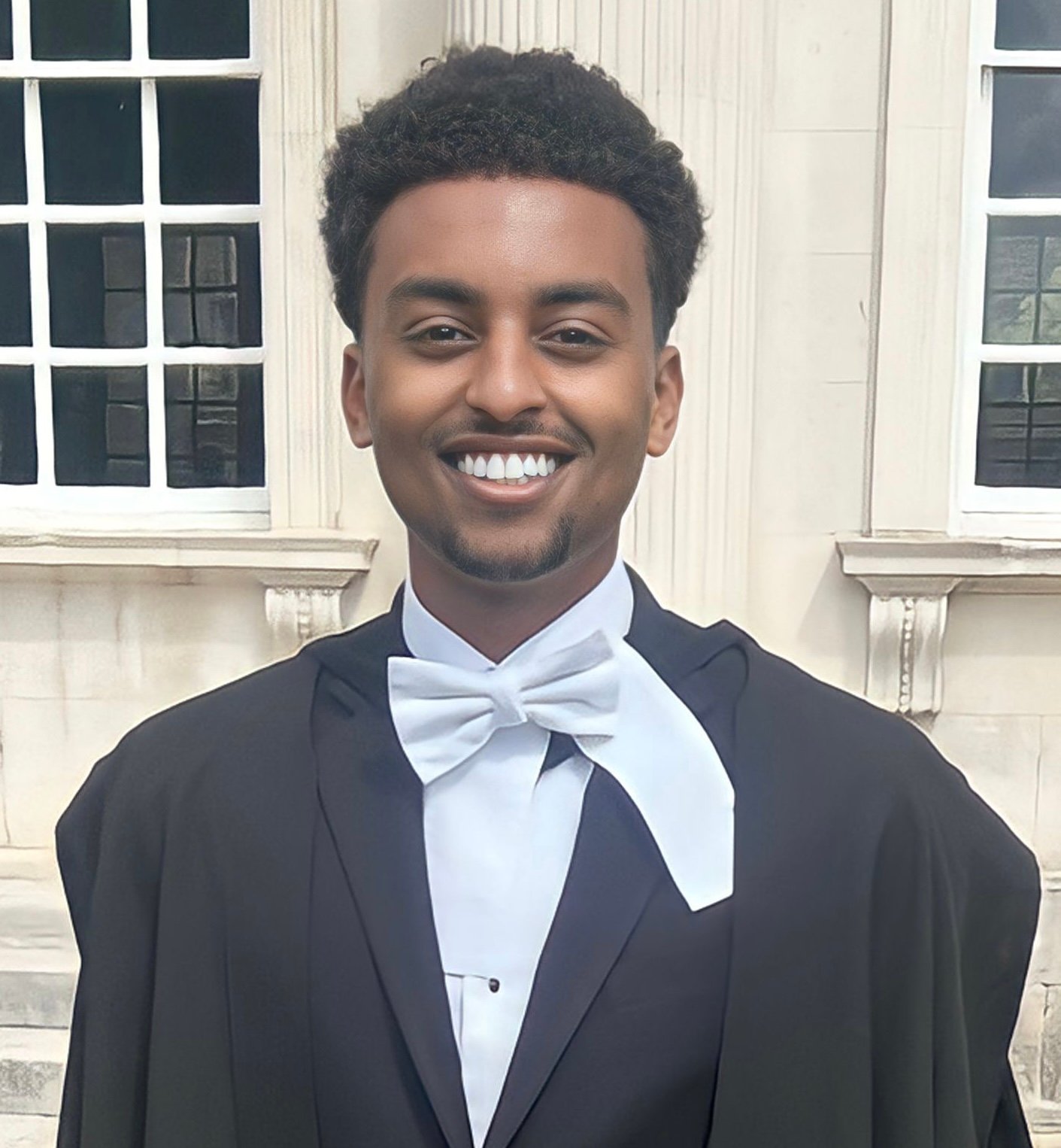
Aaron A.
Aaron attend Harvard for undergrad, where he studied biology and graduated magna cum laude and Phi Beta Kappa. After Harvard, Aaron moved from one Cambridge to another, studying for a Master's in the History and Philosophy of Science at the University of Cambridge as a Harvard-Cambridge Fellow.
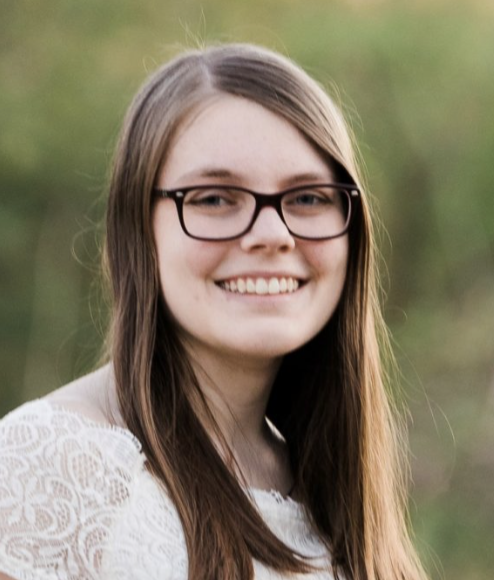
Katie P.
Katie is an MPhil Candidate in Engineering for Sustainable Development at the University of Cambridge. Previously, she graduated from Arizona State University, where she earned a BS in Mechanical Engineering, a BA in Global Health, and a minor in sustainability.

Shaw
Shaw attended Stanford where she was a Political Science major with a minor in Feminist, Gender, and Sexuality studies. Currently, she is a student at Harvard Law School, where she is an Article Editor for the Journal of Law and Gender and a member of the Mississippi Delta Project Student Practice Organization.
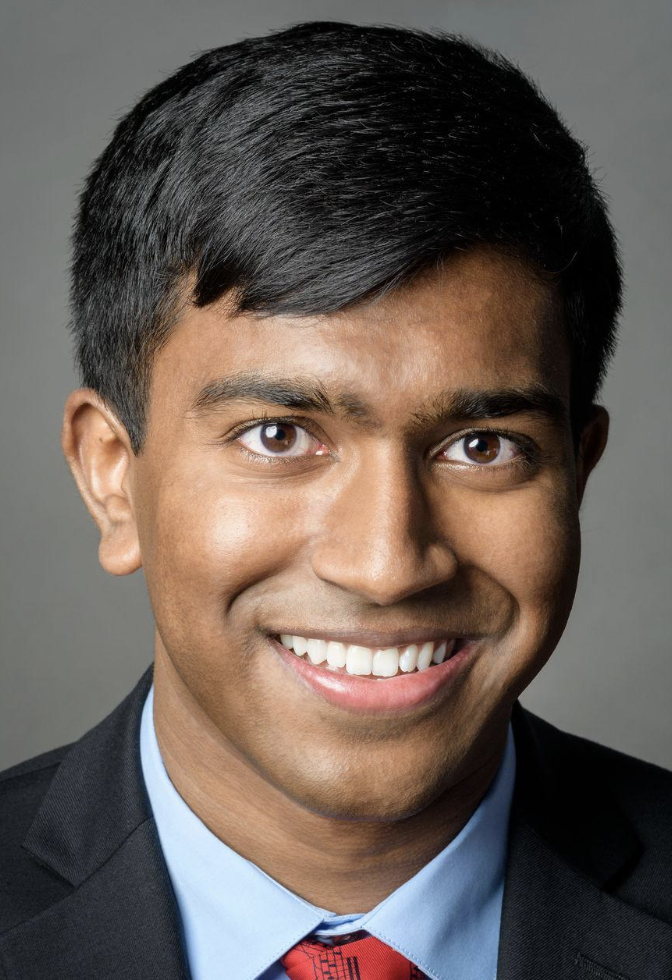
Ashvin
Ashvin earned his BA in Mathematics at Harvard, receiving early election to Phi Beta Kappa, graduating summa cum laude, and winning the David Mumford prize. He also holds a PhD in Mathematics from Princeton.
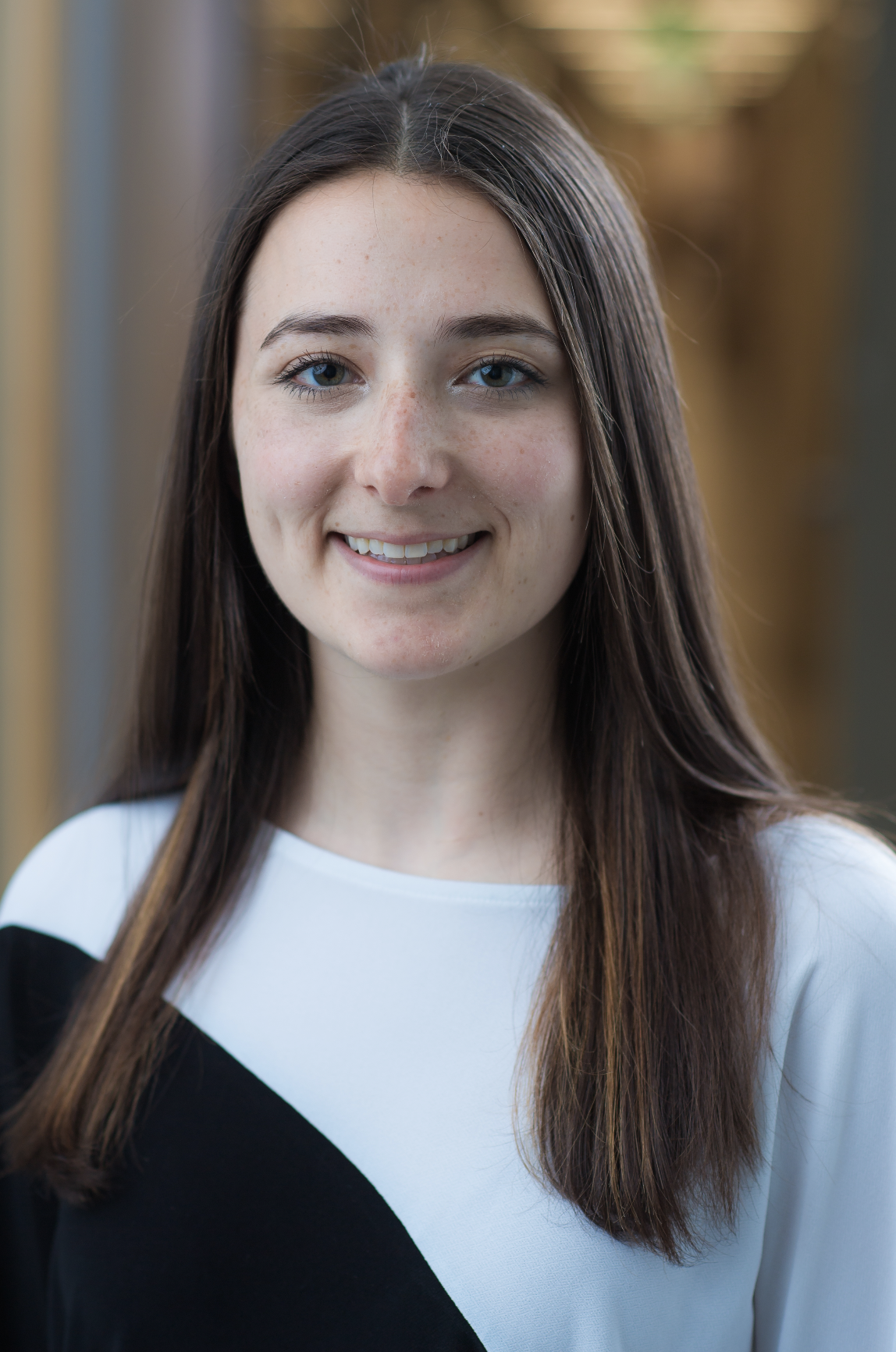
Olivia L.
Olivia graduated from Boston College with a degree in biochemistry (magna cum laude, Phi Beta Kappa). After working as a research assistant at Harvard Medical School, she began her PhD in Chemical Biology at Harvard University.
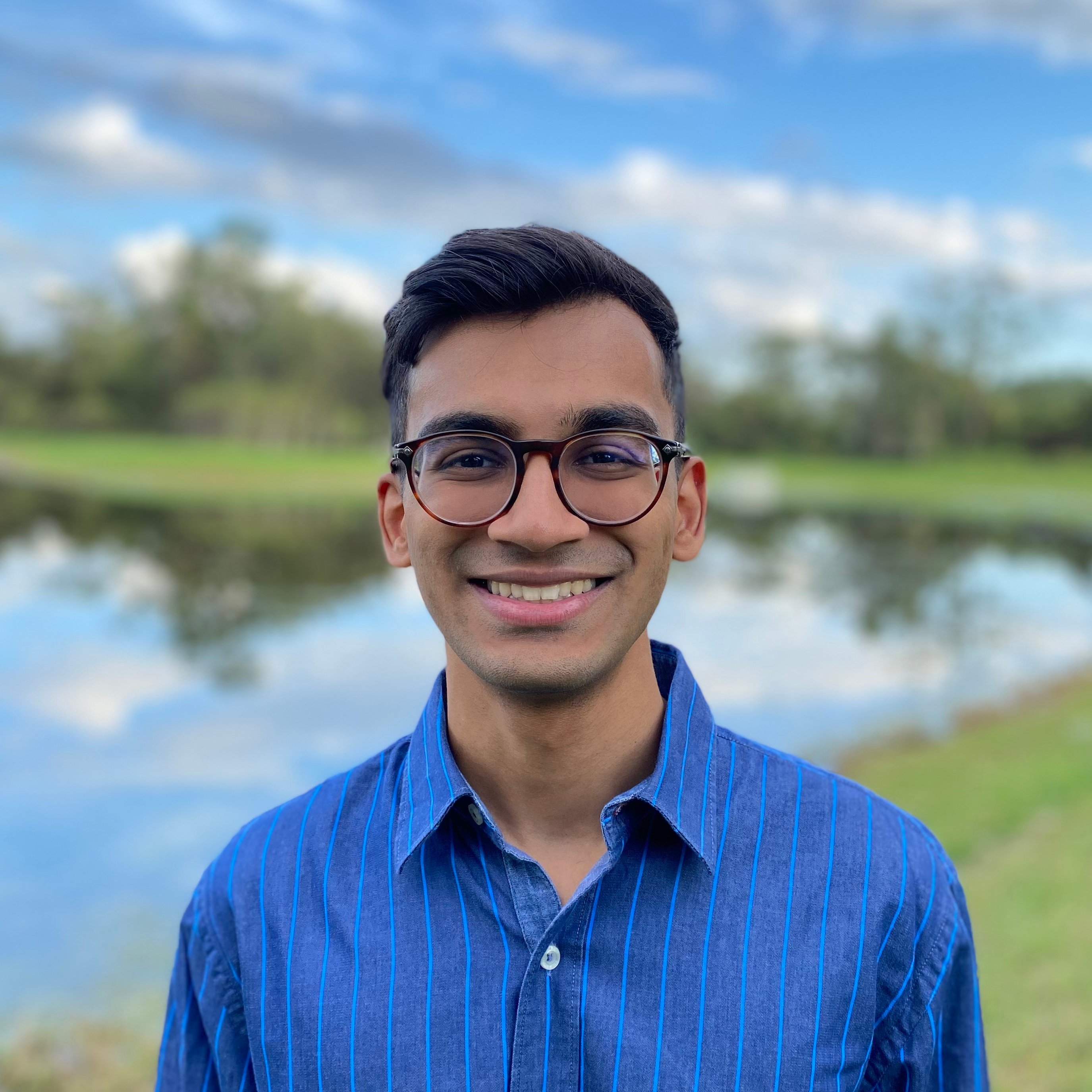
Kavya
Kavya graduated summa cum laude and Phi Beta Kappa from Harvard College with a joint degree in Chemical & Physical Biology and Statistics. Currently, he is studying computational biology at the University of Cambridge as a Marshall Scholar.
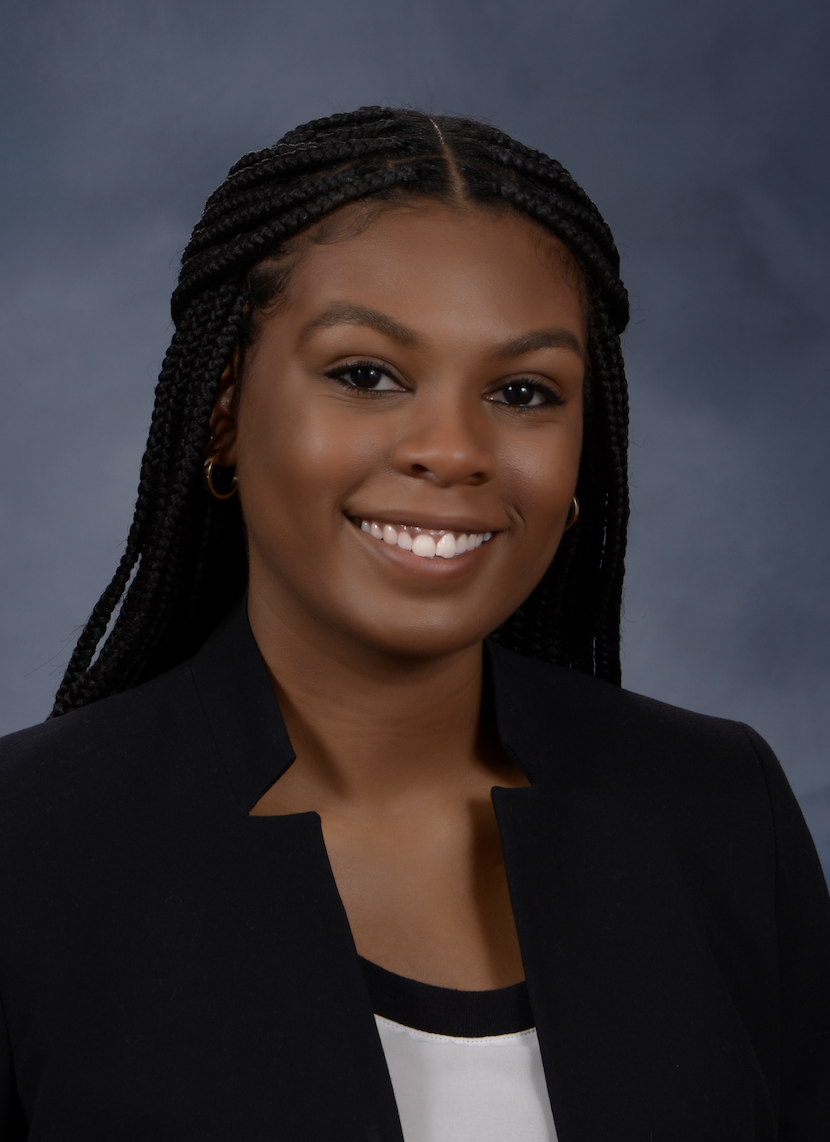
Reyanna
Reyanna holds a BA in Mathematics and Economics from Yale and an MSc in Development Studies from SOAS University of London.
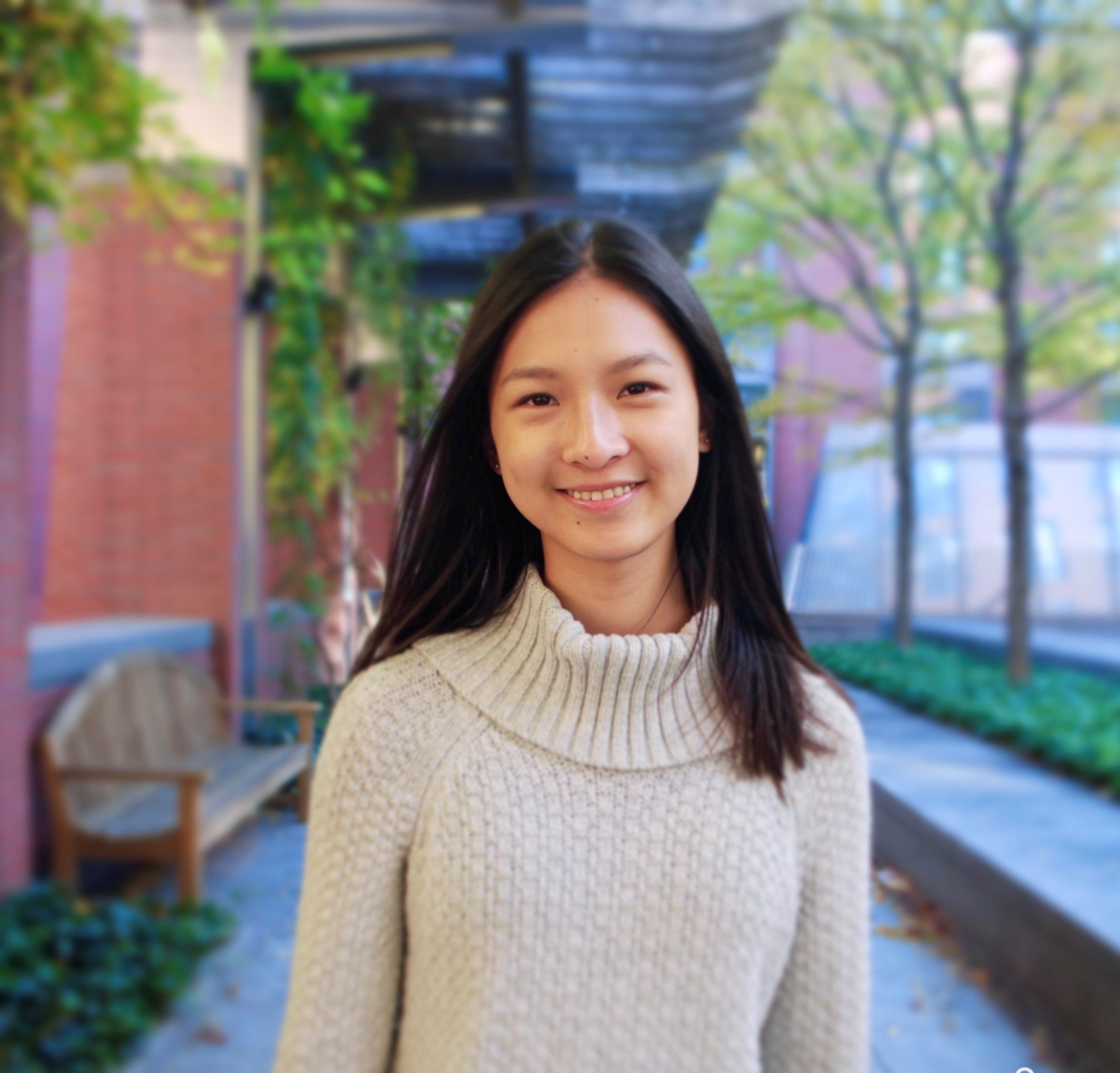
Selene
Selene graduated summa cum laude from the University of Pennsylvania with a BA in Cognitive Science, concentrating in Computation and minoring in Computer Science and Chemistry. Since graduating, Selene has been working as a full-stack developer, but she will be resuming her medical journey in the fall as an accepted MD candidate.
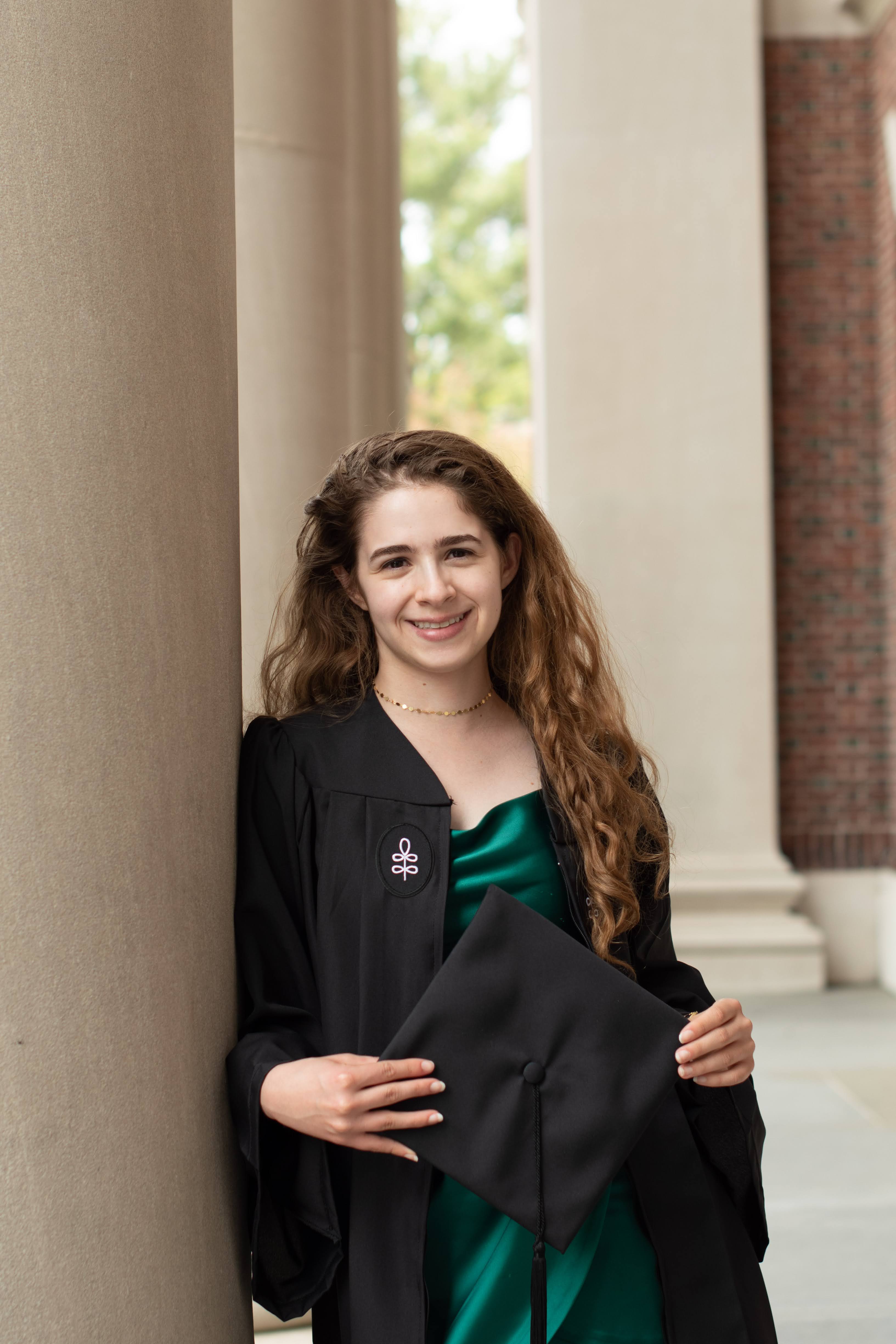
Julia M.
Julia holds a BA in Economics (summa cum laude) from Harvard College. She is currently pursuing an MSc in Statistical Science at Oxford University.
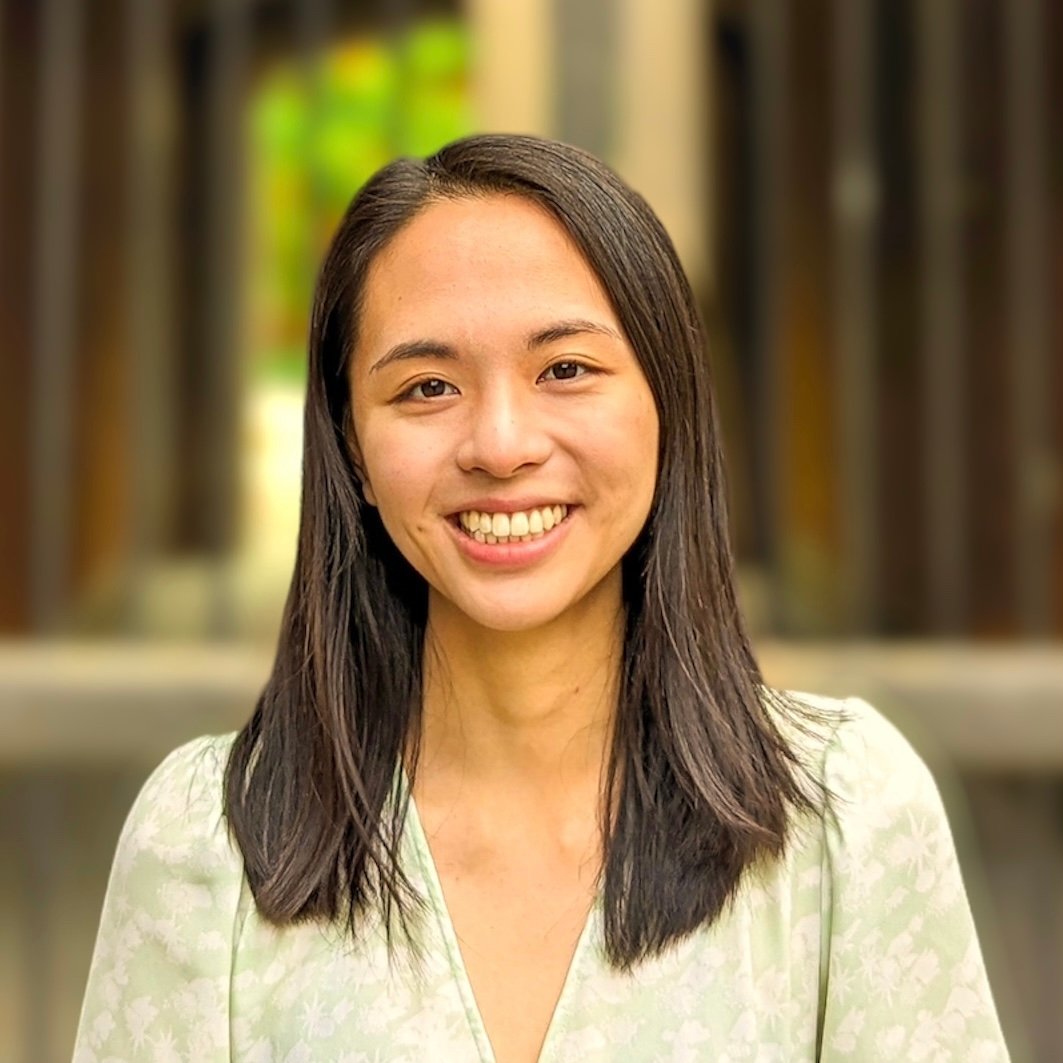
Sophia Z.
Sophia attended Yale University, where she was a Global Health Scholar and studied Molecular Biophysics and Biochemistry, and History of Science, Medicine, and Public Health. Her research interests span health activism and social movements, DNA damage repair and metabolism in cancer, and bridging the gap between medical and mental health care.
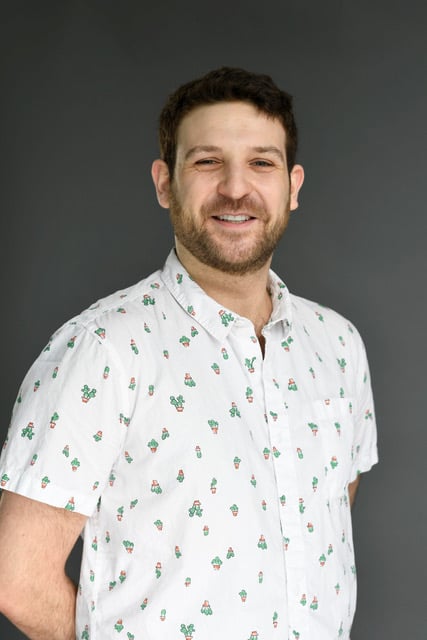
Adam T.
Adam holds a BA in Physics from Washington University in St. Louis (2013) and PhD in Physics from MIT (2024). He has worked as an engineer and data scientist.
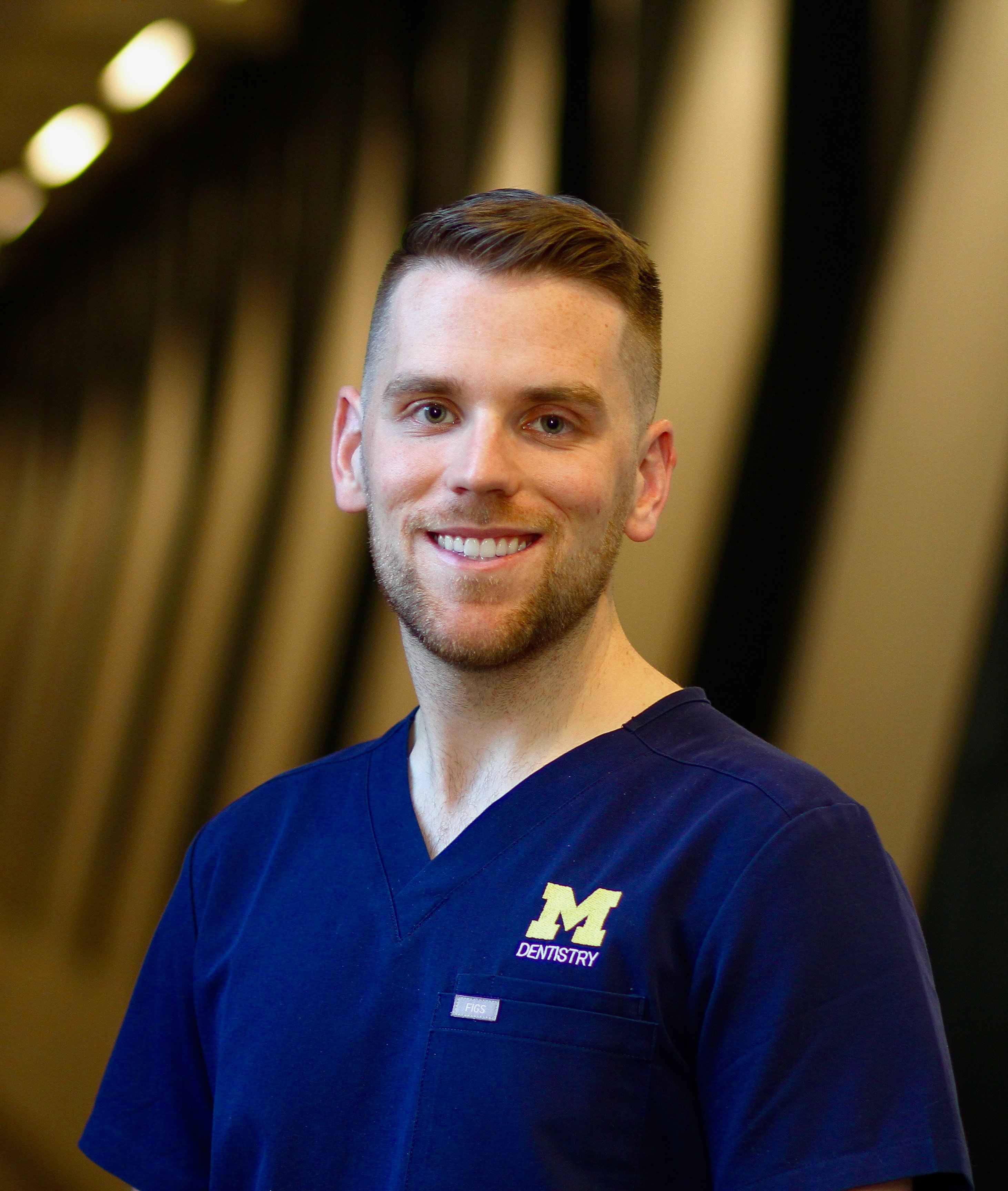
Ben S.
Ben pursued a PhD in Biomedical Engineering and a Doctorate in Dental Surgery at the University of Michigan in a Dentist-Scientist Training Program (DSTP) supported by a fellowship from the federal government. He’s now pursuing a clinical residency in periodontal surgery at Harvard University.
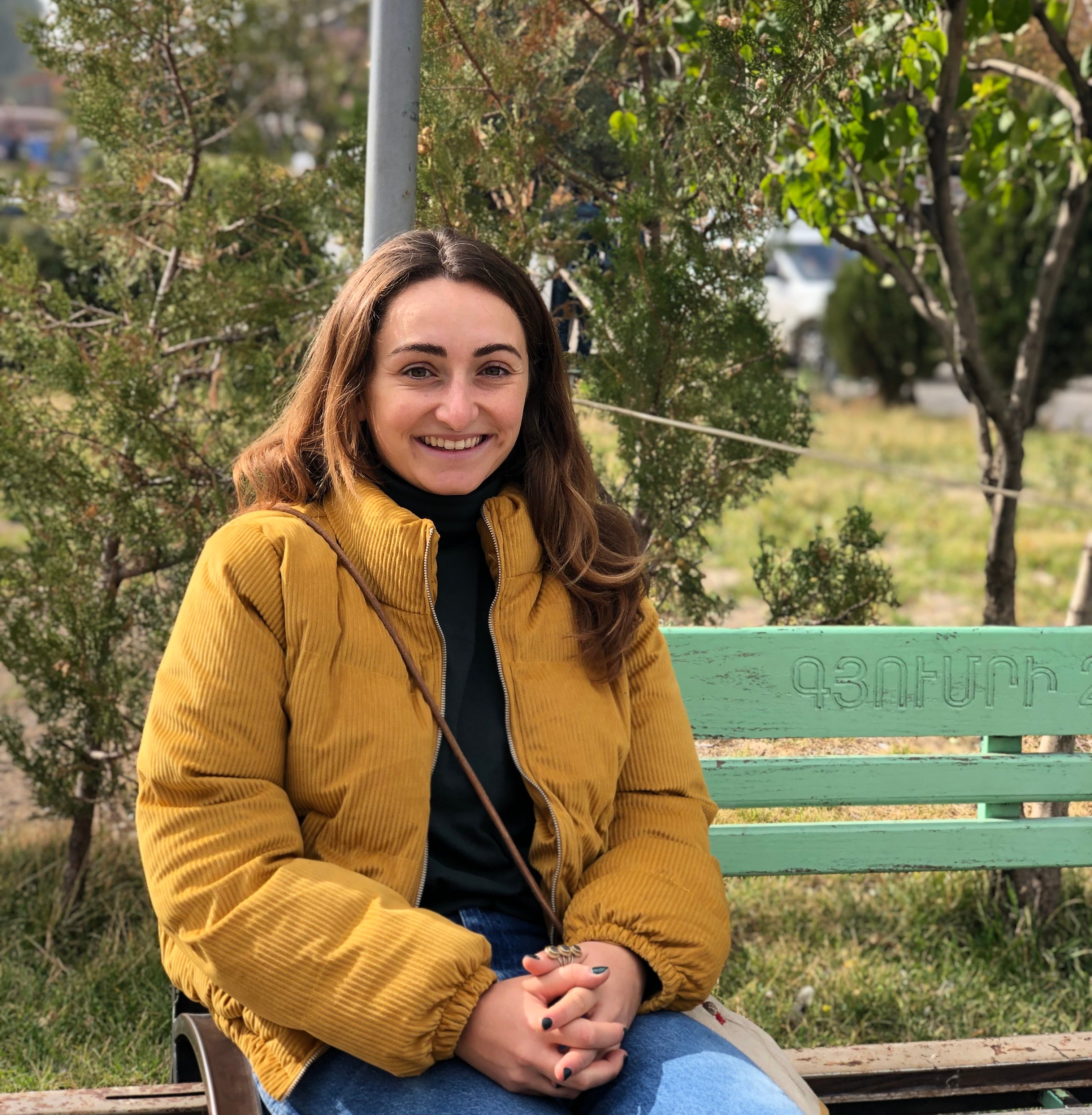
Talia
Talia holds a BA in Visual Studies from the University of Pennsylvania and an MS in Quantitative Economics from UCLA. She will next pursue a PhD in Cultural Economics.
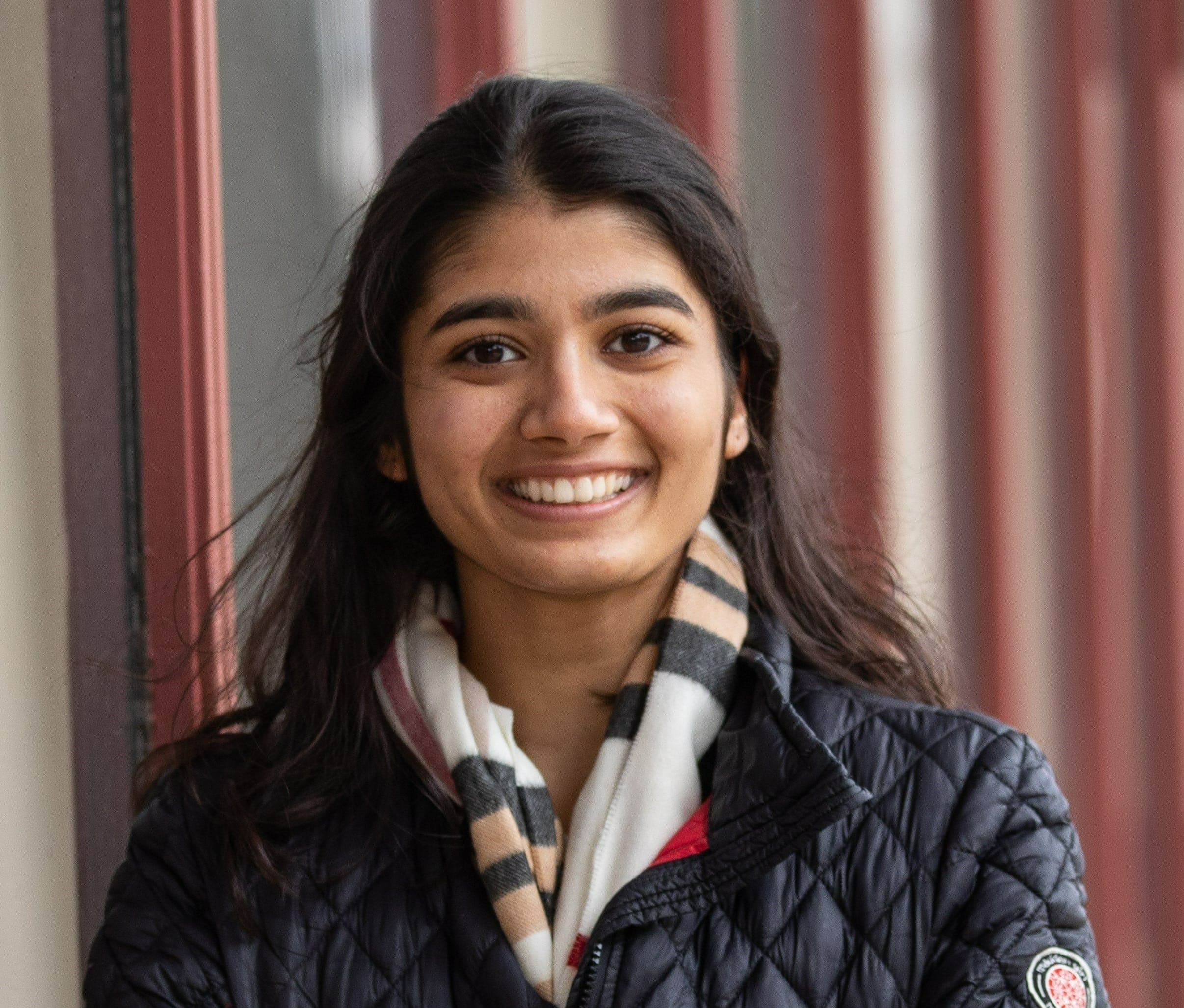
Sonya G.
Sonya holds a BA in Biological Sciences and a BA in Russian from the University of Illinois at Chicago. She's currently pursuing her MA in Regional Studies at Harvard, and she'll begin her MD at Stanford next year.
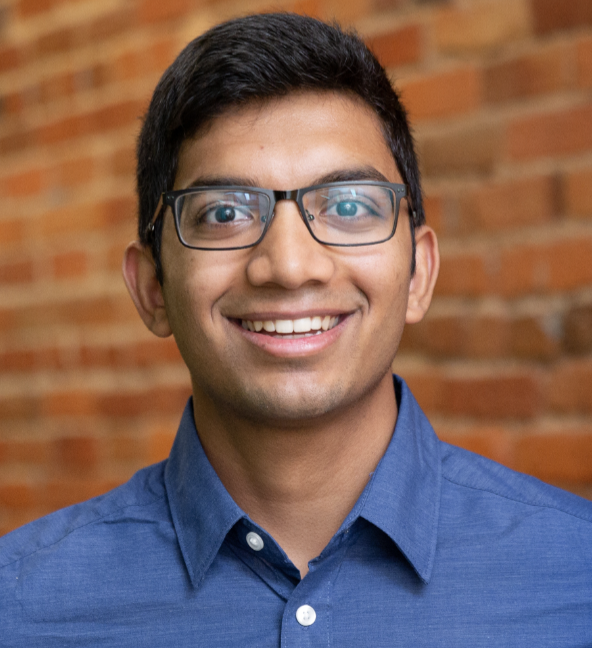
Shreyas
Shreyas is currently pursuing his MSc in Comparative Social Policy at Oxford as a Rhodes Scholar. In 2023, he graduated Phi Beta Kappa from Duke University with a BS in Statistics, a BA in Public Policy and a minor in chemistry.
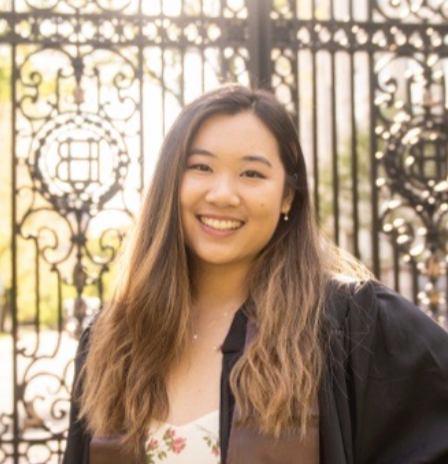
Cynthia L.
Cynthia holds a BA in Public Policy from Brown. After graduation, she lived abroad in Madrid, Spain for two years pursuing a US Department of State Fulbright Scholarship and a Master’s degree in Marketing. She has worked in the NBA’s marketing department and now works at a sports agency in brand partnerships.
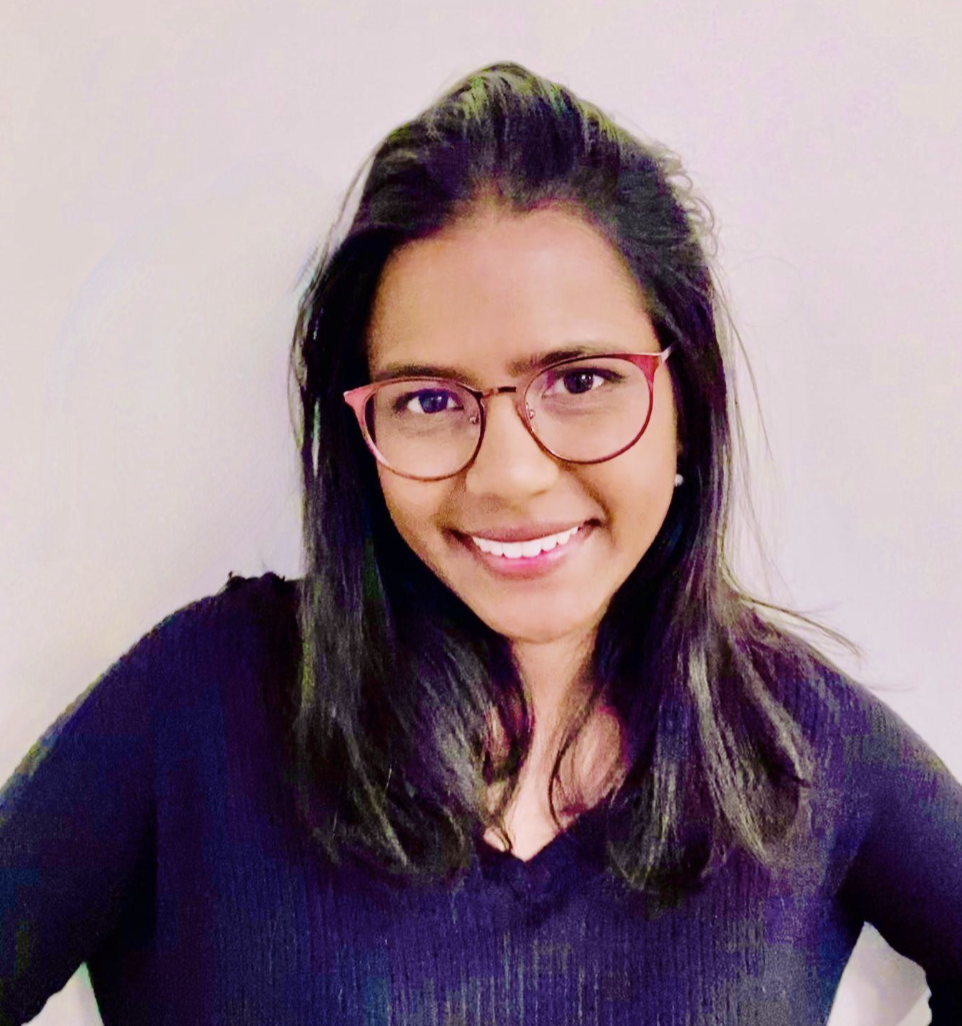
Meena
Meena studied computer science with a focus on theory at Harvard College. After working in the education technology industry, she doubled down on her passion for teaching. Meena earned her master’s in education (MEd) from the Harvard Teacher Fellows practicum at the Harvard Graduate School of Education in 2020.
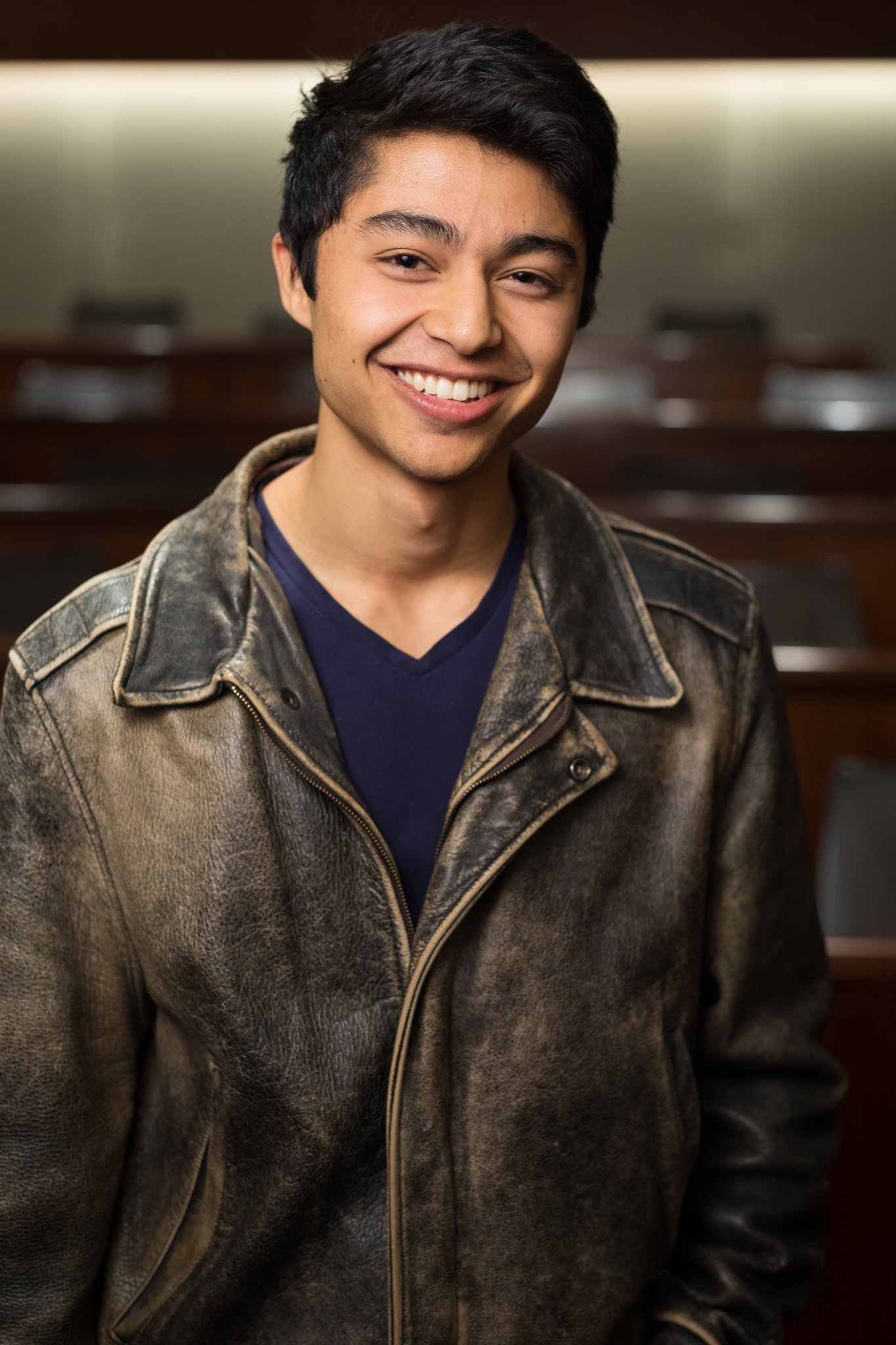
Victor Od.
Victor double majored in Complex Systems and Mathematics at Cornell, where he graduated summa cum laude and Phi Beta Kappa. He will next pursue a PhD in Applied Math.
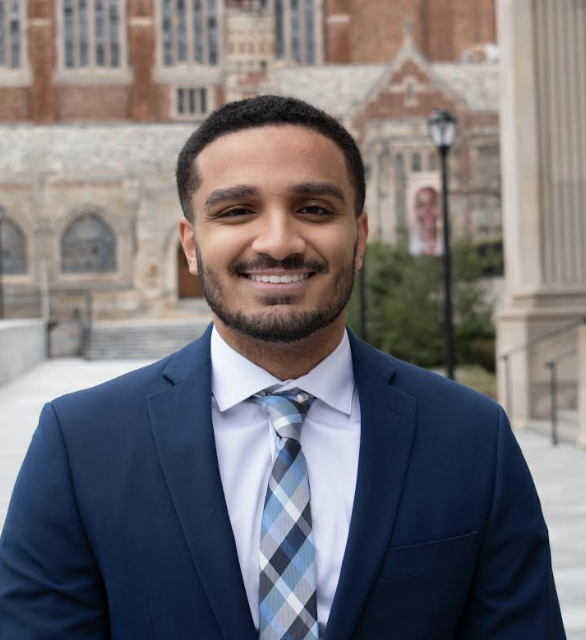
Ziad
Ziad earned a degree in Molecular Biophysics and Biochemistry at Yale (magna cum laude, Phi Beta Kappa). He is currently working at biotech startup Atias Pharma in Cambridge, Massachusetts, with plans to matriculate to medical school in the fall of 2024.
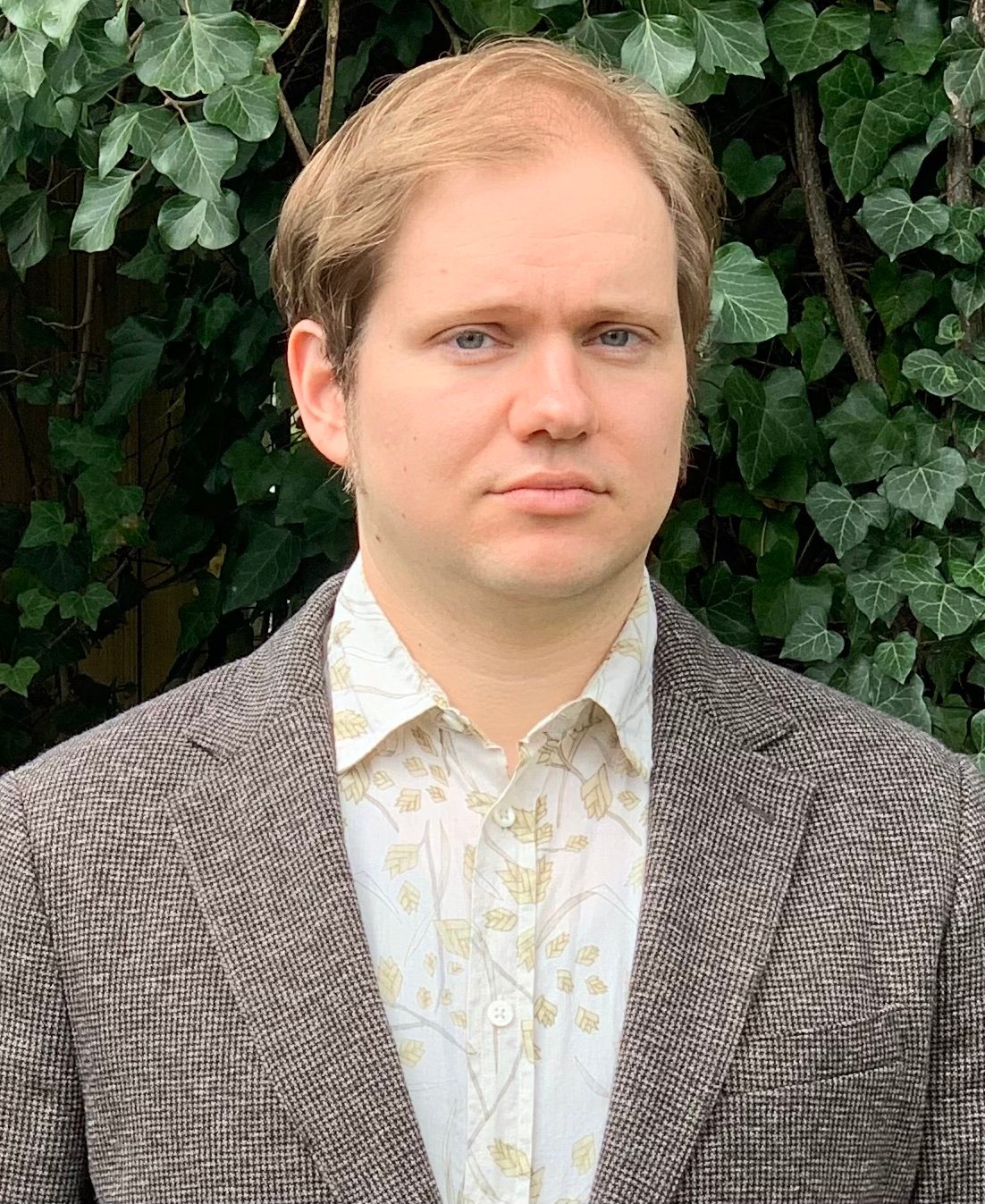
Marcus
Marcus holds a Master's in Liberal Studies from Columbia University. He previously graduated summa cum laude from the University of Minnesota with a BA in American Studies.
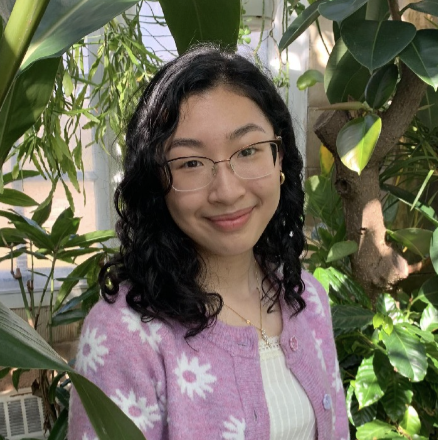
Rebecca L.
Rebecca is in the highly selective joint 5-year BS/MPH program at Yale University with a BS in Molecular, Cellular and Developmental Biology (MCDB) and an MPH in Social and Behavioral Sciences (SBS). She graduated from Yale College summa cum laude and Phi Beta Kappa.
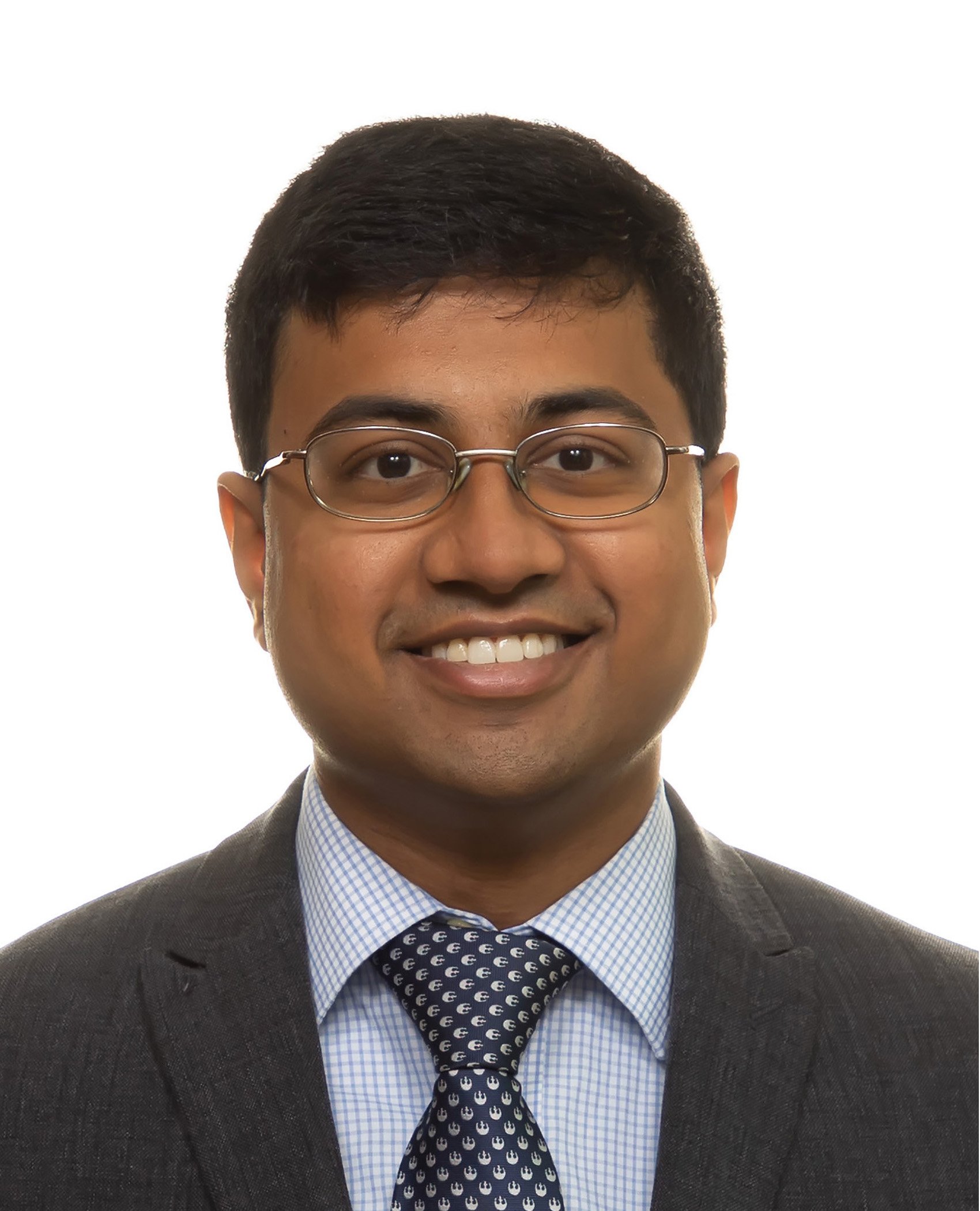
Neetij
Neetij graduated from St. Olaf College with a major in Biology and a minor in Biochemistry. He developed a love of research as an NIH IRTA fellow and as a scholar within the Fulbright US Student program, and he is now pursuing an MD at the Washington University School of Medicine in St. Louis.
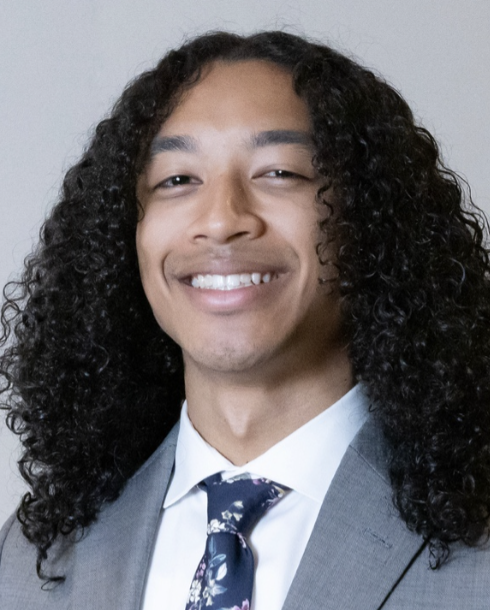
Jt
JT graduated magna cum laude from Yale with distinction in his major of Ethics, Politics, and Economics, alongside a certificate in Statistics and Data Science. Currently, he is a Master’s student at the University of Oxford studying Criminology and Criminal Justice on a Rhodes Scholarship.
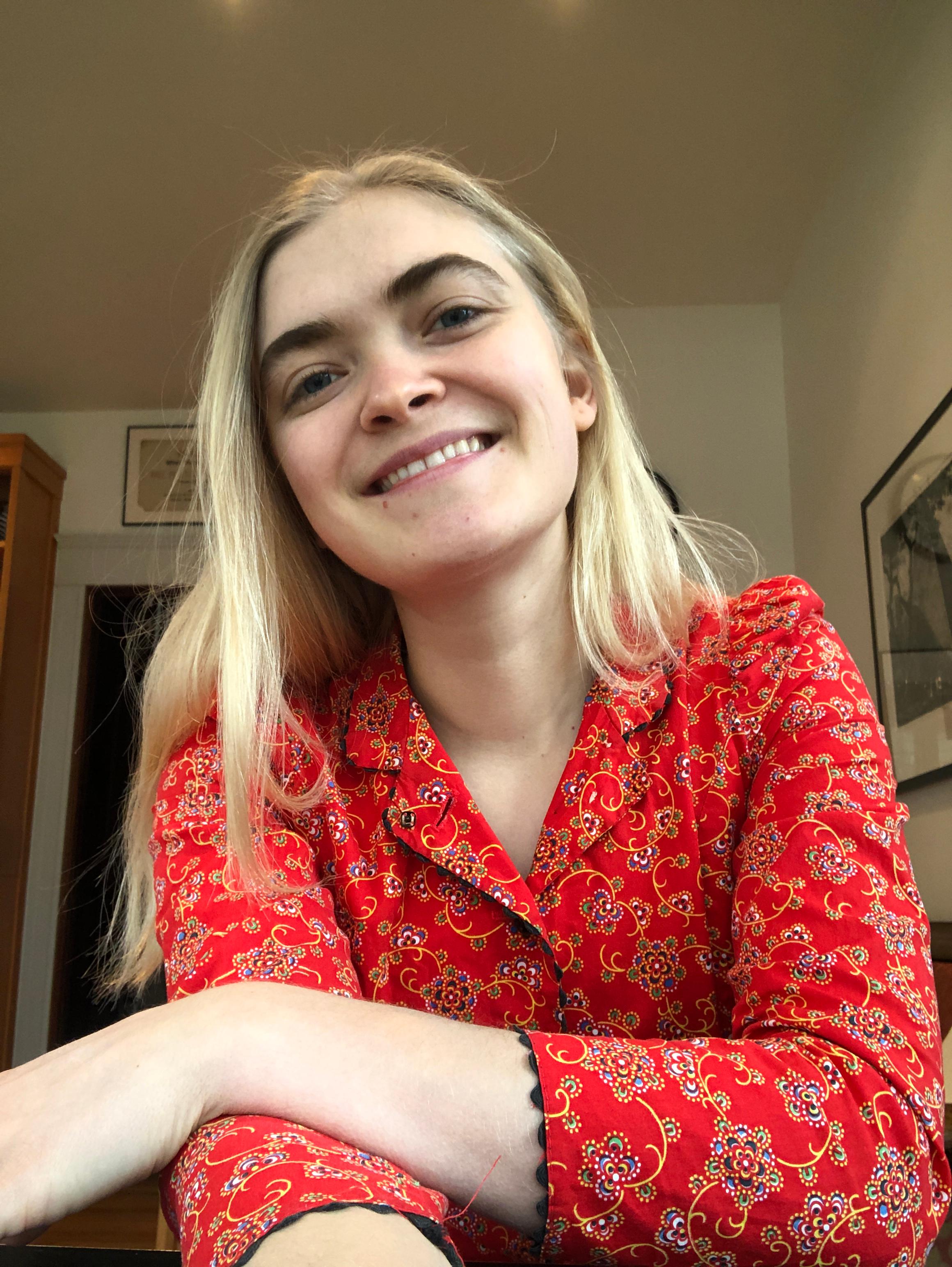
Cecilia Y.
Cecilia graduated from the University of Cambridge in 2021 with a starred first-class degree in Classics, scoring the year’s highest mark on the Latin and Greek textual criticism exam and graduating third in her class. After obtaining her MPhil in Latin literature the following year, she won a scholarship to study at Harvard for as a Herchel-Smith fellow, an opportunity she used to study American history and English literature.
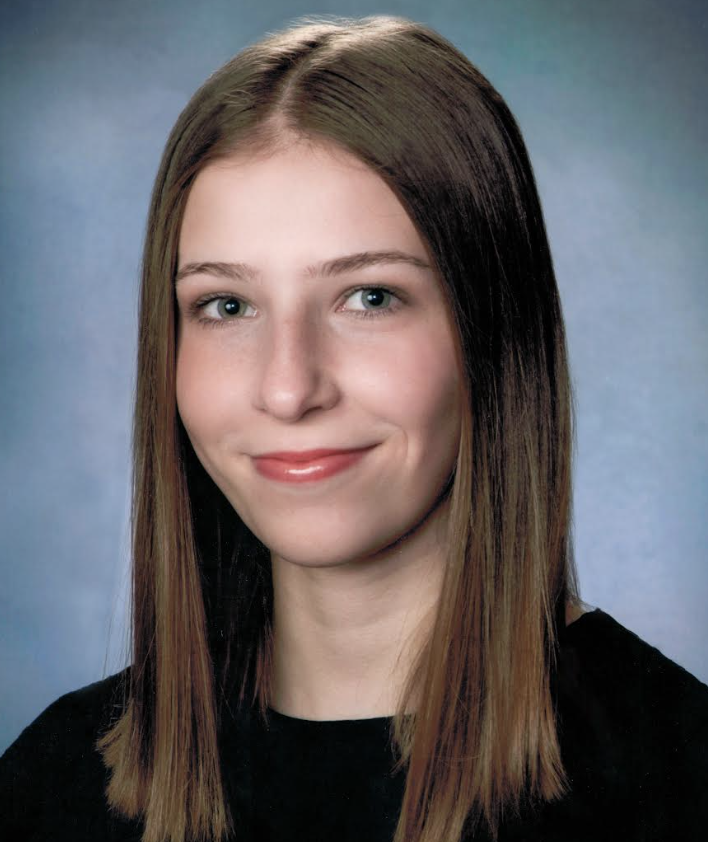
Rochelle
Rochelle graduated from Barnard College, summa cum laude and Phi Beta Kappa, with a major in Neuroscience & Behavior. Currently, Rochelle is on her second of two gap years, keeping busy as a Research Assistant in Mount Sinai’s cardiovascular surgery department and as a volunteer EMT in Brooklyn. She eagerly anticipates starting her medical education at a T20 program this fall.
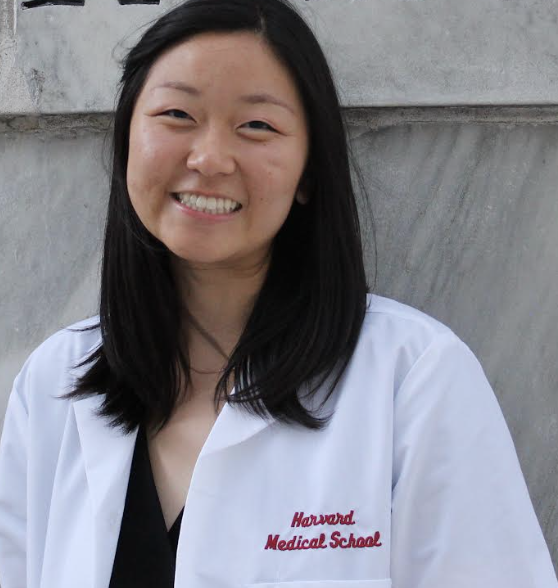
Amy L.
Amy attended Wellesley College, where she graduated summa cum laude and Phi Beta Kappa pursuing a double major in Chemistry and German Studies. She is currently a dental student at the Harvard School of Dental Medicine (HSDM).
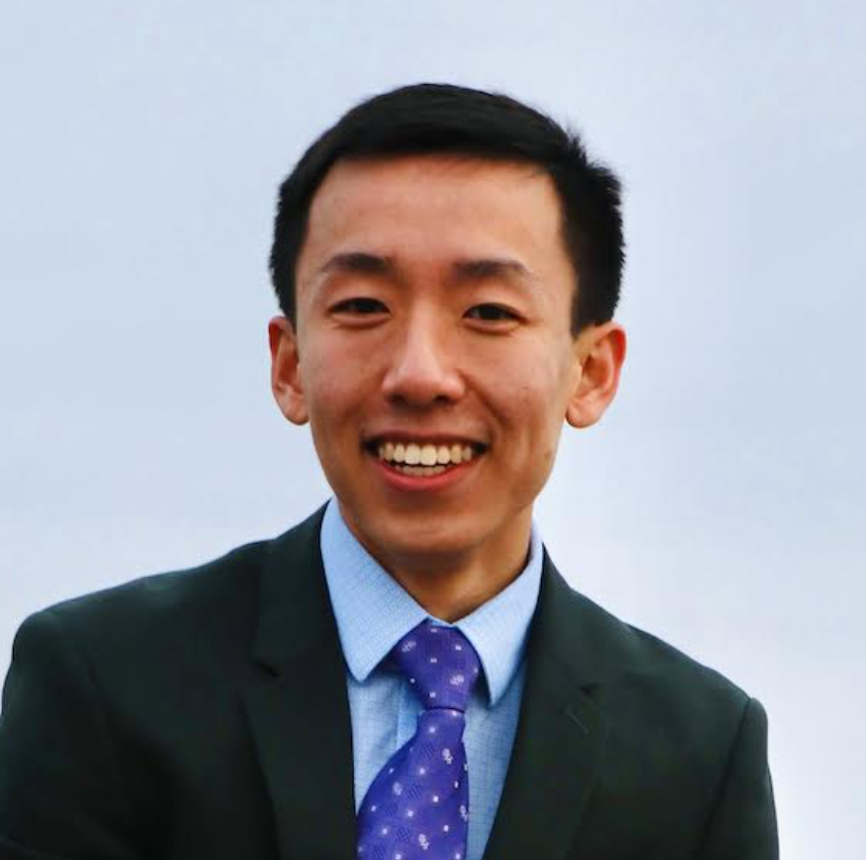
Andrew Y.
Andrew graduated cum laude from Harvard with a Bachelor of Science degree in Bioengineering, a minor in Neurobiology, and a language citation in Mandarin Chinese. He is now a third year student at Weill Cornell Medical College, and will pursue a Master's of Engineering in biomedical engineering before graduating from medical school.
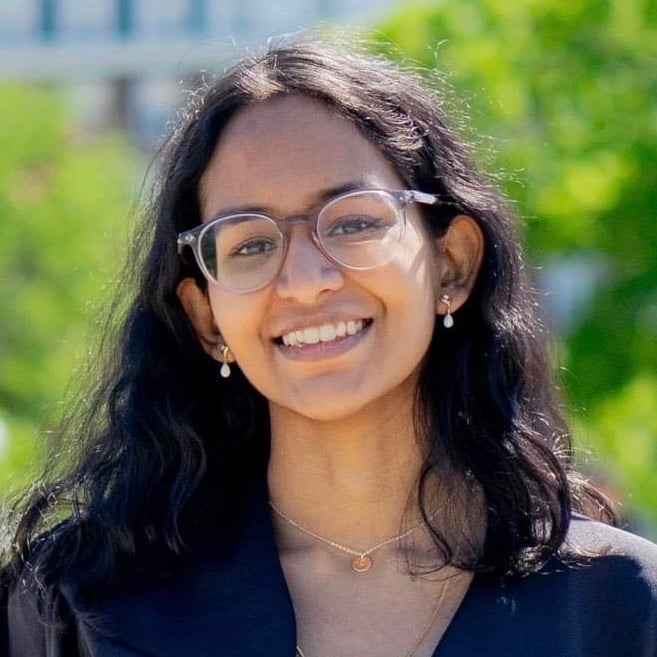
Akila
Akila graduated summa cum laude and Phi Beta Kappa from Harvard College in 2023 with a degree in human developmental and regenerative biology and an English minor. he will be matriculating at Harvard Medical School.
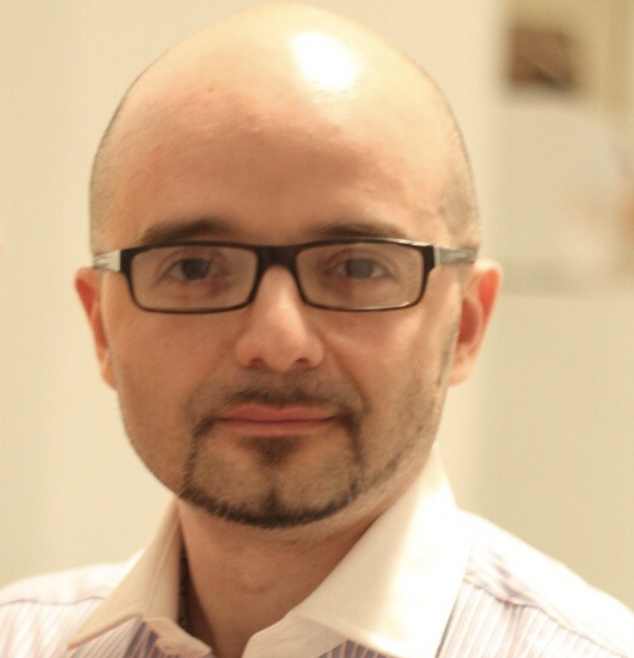
Stoyan
Stoyan studied at Columbia University, where he was President’s Fellow for two consecutive years, graduating with an MA in Political Science with a focus on mathematical modeling. His research skills made him a top recruit for the Tokugawa Memorial Foundation, in Tokyo, Japan, where he worked on several projects related to American-Japanese relations.


Plans
We’ve created a structured yet flexible pricing plan that offers everything you need to succeed on test day.
Hourly Rate
1 HourAll of our tutoring is available on an hourly basis. If you're not sure how much tutoring you'll need or when you plan to test, you can enroll in our "pay as you go" option.
$ 140
$ 180
$ 260
$ 340
$ 550
First Time Package
4.5 HoursThe three session package is a good way to get a student's feet wet, evaluate the amount of tutoring they’ll ultimately need, and see if they feel comfortable with a tutor. Most students use this package to gauge their preliminary strengths and weaknesses so that the tutor can chart a longer term plan.
$ 630
$ 810
$ 1170
$ 1530
$ 2475
Comprehensive Package
24 Hours 5% OFFOur preferred approach to the SAT provides complete coverage of the exam in detail. Along with learning test strategy and practicing time management, students complete a thorough and customized syllabus of practice exams, drills, and homework assignments.
$ 3192 You save $168
$ 4104 You save $216
$ 5928 You save $312
$ 7752 You save $408
$ 12540 You save $660
Planning Ahead Package
30 Hours 10% OFFBecause the SAT heavily rewards repetition and coverage, we offer this package to students who would prefer to space their preparation out over a longer duration. Some students find this package useful if they need to spend more time preparing for particular sections of the test or getting acclimated to the pressures of standardized testing.
$ 3780 You save $420
$ 4860 You save $540
$ 7020 You save $780
$ 9180 You save $1020
$ 14850 You save $1650
Package pricing for the Leader tier available upon request.

Tutor Tiers
We have 4 tiers of coaches. The coach’s tier is based on the experience level of the coach with our team. All coaches begin working with Cambridge Coaching at the Standard tier.
-
Standard
0-150 hours
$140/hour -
Senior
150-200 hours
$180/hour -
Guru
250-300 hours
$260/hour -
Master
350+- hours
$340/hour -
Leader
Price upon request